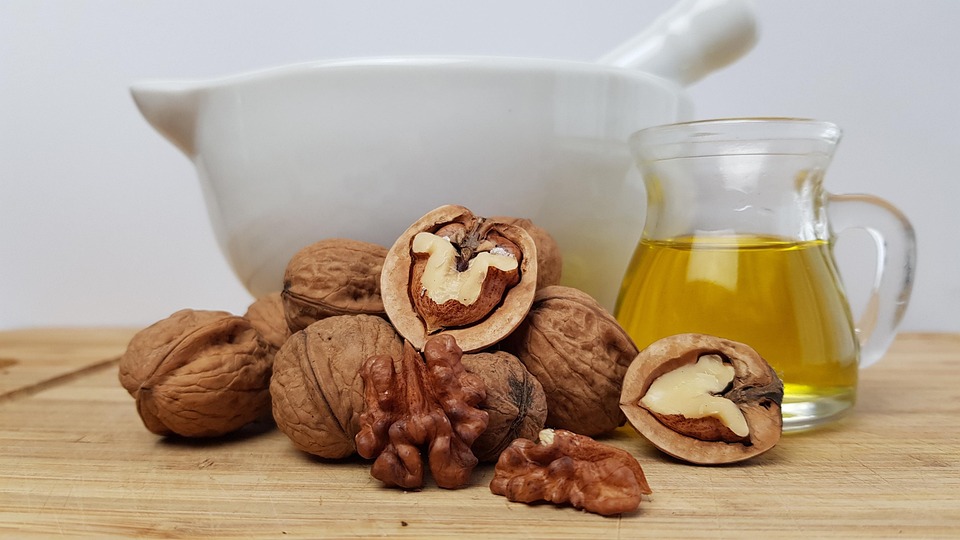
Have you ever found yourself reaching for a snack during a long workday, only to feel a wave of guilt wash over you? As someone who has often pondered the fine line between indulgence and nourishment, I’ve come to appreciate the power of healthy snacking. One particular nut has caught my attention: walnuts. These little brain-shaped morsels might just be the key to not only satisfying your cravings but also boosting your cognitive function.
Contents
- The Nutritional Profile of Walnuts
- The Science Behind Walnuts and Brain Health
- Real-Life Applications: Incorporating Walnuts into Your Diet
- Cultural Context: Walnuts Through History
- Counterpoints: The Other Side of the Coin
- Practical Insights: How to Maximize Walnut Benefits
- FAQs About Walnuts and Brain Power
- Reflecting on the Journey of Nutritious Snacking
- Conclusion
- References
The Nutritional Profile of Walnuts
When it comes to brain health, walnuts stand out for several reasons. They are rich in essential nutrients that support cognitive function. A single ounce (about 28 grams) of walnuts provides:
- Omega-3 Fatty Acids: Specifically, alpha-linolenic acid (ALA), which is crucial for brain health.
- Antioxidants: Walnuts contain polyphenolic compounds that combat oxidative stress, a contributor to cognitive decline.
- Vitamins and Minerals: They are a source of vitamin E, folate, and magnesium, all of which have been linked to improved brain health.
While snacking on walnuts may seem like a simple choice, the implications for your cognitive well-being are profound.
The Science Behind Walnuts and Brain Health
Omega-3 Fatty Acids: A Key Player
Numerous studies have highlighted the importance of omega-3 fatty acids in brain health. For instance, a study published in the Journal of Nutrition found that higher omega-3 intake was associated with better cognitive performance in older adults. Walnuts are among the best plant-based sources of ALA, making them a fantastic option for those who may not consume fish.
Antioxidant Properties
The antioxidants in walnuts, particularly polyphenols, play a vital role in protecting the brain from oxidative stress. A study from the American Journal of Clinical Nutrition suggested that diets rich in antioxidants are linked to a lower risk of cognitive decline. This is particularly relevant in our fast-paced, stress-filled lives where oxidative stress is rampant.
Cognitive Function and Memory
A fascinating study conducted by researchers at the University of California, Los Angeles (UCLA) showed that walnut consumption improved cognitive function in older adults. Participants who added walnuts to their diet exhibited enhanced memory and cognitive skills compared to those who did not.
Real-Life Applications: Incorporating Walnuts into Your Diet
Snack Smart: Simple Ways to Enjoy Walnuts
-
Trail Mix: Combine walnuts with dried fruits like cranberries and a sprinkle of dark chocolate for a delicious and satisfying snack.
-
Salads: Toss walnuts into your salads for added crunch and nutrition. They pair wonderfully with spinach, feta cheese, and a balsamic vinaigrette.
-
Nut Butter: Walnut butter can be a delightful spread on toast or a dip for apple slices. You can easily make your own by blending walnuts until smooth.
-
Baking: Incorporate walnuts into muffins, bread, or cookies. They add texture and a nutty flavor that enhances your baked goods.
-
Smoothies: Add a tablespoon of walnuts or walnut butter to your morning smoothie for an extra nutritional boost.
Common Mistakes to Avoid
While walnuts are nutritious, it’s essential to enjoy them mindfully. Overeating can lead to excessive calorie intake. A small handful (about 1 ounce) is a perfect serving size. Additionally, be cautious with flavored or salted varieties, which can add unnecessary sodium and sugars.
Cultural Context: Walnuts Through History
Walnuts have been celebrated for centuries across various cultures. Ancient Greeks referred to them as “Jupiter’s Nuts” and believed they provided wisdom. In Chinese culture, walnuts symbolize intelligence and are often used in traditional medicine.
This historical reverence underscores the value placed on walnuts not just as a food source, but as a brain-boosting ally.
Counterpoints: The Other Side of the Coin
While the benefits of walnuts are well-documented, it’s essential to consider a balanced perspective. Some studies suggest that the evidence linking walnuts directly to improved brain function remains inconclusive. For instance, a review in Nutrients highlighted the need for more longitudinal studies to establish a clearer connection between walnut consumption and cognitive outcomes.
Moreover, individual dietary needs vary. What works for one person may not work for another. For those with nut allergies, walnuts can pose a risk rather than a benefit. Always consult with a healthcare provider if you’re uncertain about adding new foods to your diet.
Practical Insights: How to Maximize Walnut Benefits
Step-by-Step Guide to a Walnut-Enriched Diet
-
Assess Your Diet: Take a week to track your current snack habits. Are you reaching for high-sugar or high-sodium options?
-
Set a Goal: Aim to replace one unhealthy snack per day with walnuts.
-
Experiment with Recipes: Find two or three recipes that incorporate walnuts, whether it’s in salads, baked goods, or smoothies.
-
Mindful Eating: Practice mindfulness while snacking. Focus on the flavor and texture of walnuts, which can enhance your eating experience.
-
Monitor Your Mood and Energy: After a few weeks, reflect on how your energy levels and mood have changed. Are you feeling more alert and focused?
Personal Observations
I’ve noticed that incorporating walnuts into my daily routine has not only satisfied my cravings but also provided a steady source of energy throughout the day. The slight crunch and earthy flavor add a delightful twist to my meals.
FAQs About Walnuts and Brain Power
1. How many walnuts should I eat daily for brain health?
A handful, about 1 ounce (28 grams), is generally recommended for optimal health benefits.
2. Can walnuts help with concentration?
Yes, the omega-3 fatty acids and antioxidants in walnuts may improve cognitive function and concentration.
3. Are there any side effects of eating walnuts?
While walnuts are healthy, they are calorie-dense, so moderation is essential. Additionally, some individuals may have nut allergies.
4. Can I get the same benefits from other nuts?
While other nuts also offer health benefits, walnuts are unique for their high omega-3 content. Almonds and hazelnuts, for example, are rich in vitamin E but lack significant omega-3s.
5. How do walnuts compare to supplements for brain health?
Whole foods like walnuts provide a range of nutrients and compounds that work synergistically, which supplements may not replicate. Always consult with a healthcare provider before starting any new supplement regimen.
Reflecting on the Journey of Nutritious Snacking
As I continue to explore healthier snacking options, walnuts remain a top contender. Their rich nutrient profile and historical significance as a brain food make them a fascinating subject of study.
With ongoing research into their benefits, I find myself curious about what new discoveries may emerge. Could walnuts hold the key to even greater cognitive enhancements? Only time will tell.
In a world where nutrition is increasingly linked to mental health, it’s exciting to think that a simple snack could play a role in boosting our brain power.
Conclusion
The journey toward better health is often paved with small, mindful choices. Walnuts, with their unique combination of nutrients, offer a delicious way to support cognitive function.
As you ponder your next snack, consider reaching for a handful of these brain-boosting nuts. After all, a little curiosity and exploration can lead to significant benefits for both your body and mind.
Disclaimer: This article is for educational purposes only and does not replace professional medical guidance. Always speak with a qualified healthcare provider before making changes to your health routine.
References
- B. A. G. (2018). “Walnuts and cognitive function: a review.” American Journal of Clinical Nutrition. Link
- P. D. et al. (2020). “Dietary polyphenols and their role in cognitive function.” Journal of Nutrition. Link
- S. K. et al. (2019). “The impact of dietary fats on cognitive function.” Nutrients. Link
Feel free to explore the potential of walnuts and discover how they can enhance not just your snacking habits but your overall brain health.
Get Your FREE Natural Health Guide!
Subscribe now and receive our exclusive ebook packed with natural health tips, practical wellness advice, and easy lifestyle changes — delivered straight to your inbox.