Tendons are the unsung heroes of our musculoskeletal system. These fibrous tissues connect muscles to bones, enabling movement and providing stability. Yet, they often bear the brunt of our physical activities, leading to injuries that can sideline us for weeks or even months. Recovery from tendon injuries can be a long road, but what if I told you that nourishing your body with certain foods could accelerate this process? Enter barley—a grain that has been cherished for centuries, not just for its culinary versatility but also for its potential health benefits.

Contents
The Hidden Power of Barley
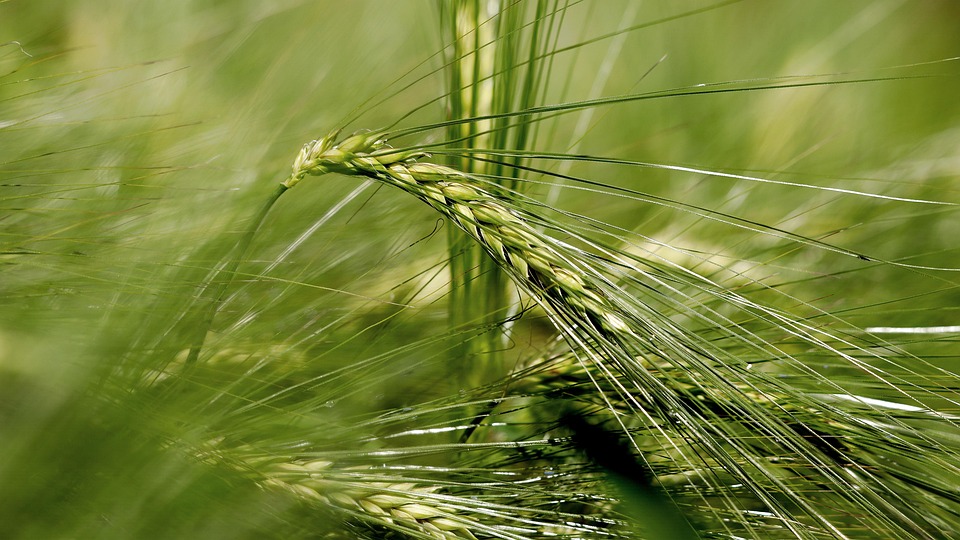
Barley is one of the oldest cultivated grains, with a history that spans thousands of years. Ancient civilizations, from the Egyptians to the Greeks, recognized its value as a staple food. Today, modern science is beginning to unveil the impressive nutritional profile of barley, particularly its role in promoting tendon health.
Nutritional Breakdown
Barley is packed with essential nutrients that can help in recovery. A single cup of cooked barley contains:
- Fiber: Approximately 6 grams, which aids in digestion and helps regulate blood sugar levels.
- Proteins: Around 3.5 grams, essential for muscle repair and recovery.
- Vitamins and Minerals: Includes B vitamins, iron, magnesium, and selenium, all vital for overall health and recovery.
But what makes barley particularly interesting for tendon recovery is its high content of antioxidants and anti-inflammatory properties. According to a study published in the Journal of Nutrition, barley’s antioxidants can help reduce oxidative stress, a key contributor to tendon injuries (1).
Barley and Tendon Health
Tendons are primarily made of collagen, a protein that provides strength and elasticity. Certain nutrients found in barley can support collagen synthesis, thus aiding in the repair of damaged tendons. For instance, vitamin C, often overlooked in grains, is present in barley and is crucial for collagen production.
Furthermore, the anti-inflammatory properties of barley may help reduce the swelling and pain associated with tendon injuries. A study in the American Journal of Clinical Nutrition suggests that diets rich in whole grains can lower inflammatory markers in the body (2).
Real-Life Examples: Barley in Action
Take the case of John, a weekend warrior who loves playing soccer. After twisting his ankle during a game, he found himself sidelined with a tendon injury. Frustrated, he turned to his nutritionist for advice. She recommended incorporating more barley into his diet, highlighting its nutrient density and anti-inflammatory properties.
John started adding barley to his meals—barley risotto, barley salads, and even barley soup. Within weeks, he noticed a reduction in pain and swelling. While it wasn’t a magic bullet, he felt that barley played a significant role in his recovery.
Practical Applications: How to Incorporate Barley
1. Barley Breakfast Bowl
Start your day with a nutritious breakfast by cooking barley and topping it with fruits, nuts, and a drizzle of honey. This not only fuels your body but also provides antioxidants that help combat inflammation.
2. Hearty Soups and Stews
Add barley to your soups and stews. Not only does it bulk up the dish, but it also infuses it with nutrients that support tendon recovery.
3. Salads
Cooked barley can also be a great addition to salads. Mix it with leafy greens, cherry tomatoes, and a light vinaigrette for a refreshing meal.
4. Barley Flour
If you’re a baker, consider using barley flour in your recipes. It has a nutty flavor and can easily replace a portion of regular flour in most baked goods.
5. Barley Tea
For something different, try barley tea. It’s a refreshing beverage that can be enjoyed hot or cold and is believed to have numerous health benefits.
Common Mistakes When Using Barley
While barley can be a fantastic addition to your diet, there are pitfalls to avoid:
- Not Soaking: Some people skip soaking barley before cooking. Soaking can reduce cooking time and improve digestibility.
- Overcooking: Barley can become mushy if overcooked. Aim for a chewy texture that retains its shape.
- Ignoring Whole Grain: Opt for whole grain barley over processed varieties for maximum health benefits. Refined barley loses many nutrients during processing.
The Science Behind Barley: What the Research Says
While anecdotal evidence is compelling, scientific research also supports the benefits of barley for tendon recovery. A 2020 study published in the Nutrients journal highlighted the positive effects of whole grains on muscle recovery and inflammation (3).
Moreover, a study conducted by the Harvard School of Public Health found that people who consume whole grains, including barley, have a lower risk of chronic diseases, including those that affect tendon health (4).
Caveats and Considerations
While barley has many benefits, it’s important to note that not everyone may react the same way to it. Some individuals may experience digestive discomfort due to its high fiber content. If you’re new to barley, consider introducing it gradually into your diet.
Additionally, while barley is beneficial, it should not replace traditional medical treatments for tendon injuries. Always consult with a healthcare provider for personalized advice.
FAQs About Barley and Tendon Health
1. Can barley help with tendon injuries?
Yes, barley contains nutrients that support collagen synthesis and reduce inflammation, aiding in tendon recovery.
2. How should I prepare barley for maximum benefits?
Soak barley before cooking to enhance digestibility. Add it to soups, salads, or breakfast bowls for a nutritious boost.
3. Is barley suitable for people with gluten sensitivity?
Barley contains gluten, so it’s not suitable for those with celiac disease or gluten sensitivity.
4. How long does it take to see benefits from incorporating barley into my diet?
Individual results may vary, but many people notice improvements in their overall health and recovery within a few weeks of regular consumption.
5. Are there any side effects of eating barley?
Some individuals may experience digestive discomfort due to its high fiber content. It’s best to introduce it gradually into your diet.
Reflecting on Barley’s Role in Recovery
As I’ve explored the benefits of barley, I can’t help but reflect on its historical significance and modern-day relevance. It’s fascinating how a grain that has nourished civilizations for centuries can also play a role in improving our health today.
Incorporating barley into your diet may seem like a small change, but it can yield significant benefits, especially for those recovering from tendon injuries. Whether you’re an athlete, a weekend warrior, or someone who simply wants to maintain their mobility, barley is a versatile and nutritious option worth considering.
Medical Disclaimer
This article is for educational purposes only and does not replace professional medical guidance. Always speak with a qualified healthcare provider before making changes to your health routine.
References
-
“Antioxidants in Barley: The Role of Antioxidants in Health Promotion,” Journal of Nutrition. Link
-
“Whole Grains and Inflammation: A Review,” American Journal of Clinical Nutrition. Link
-
“Whole Grains and Muscle Recovery: Evidence from Nutritional Studies,” Nutrients. Link
-
“The Health Benefits of Whole Grains,” Harvard School of Public Health. Link
Get Your FREE Natural Health Guide!
Subscribe now and receive our exclusive ebook packed with natural health tips, practical wellness advice, and easy lifestyle changes — delivered straight to your inbox.