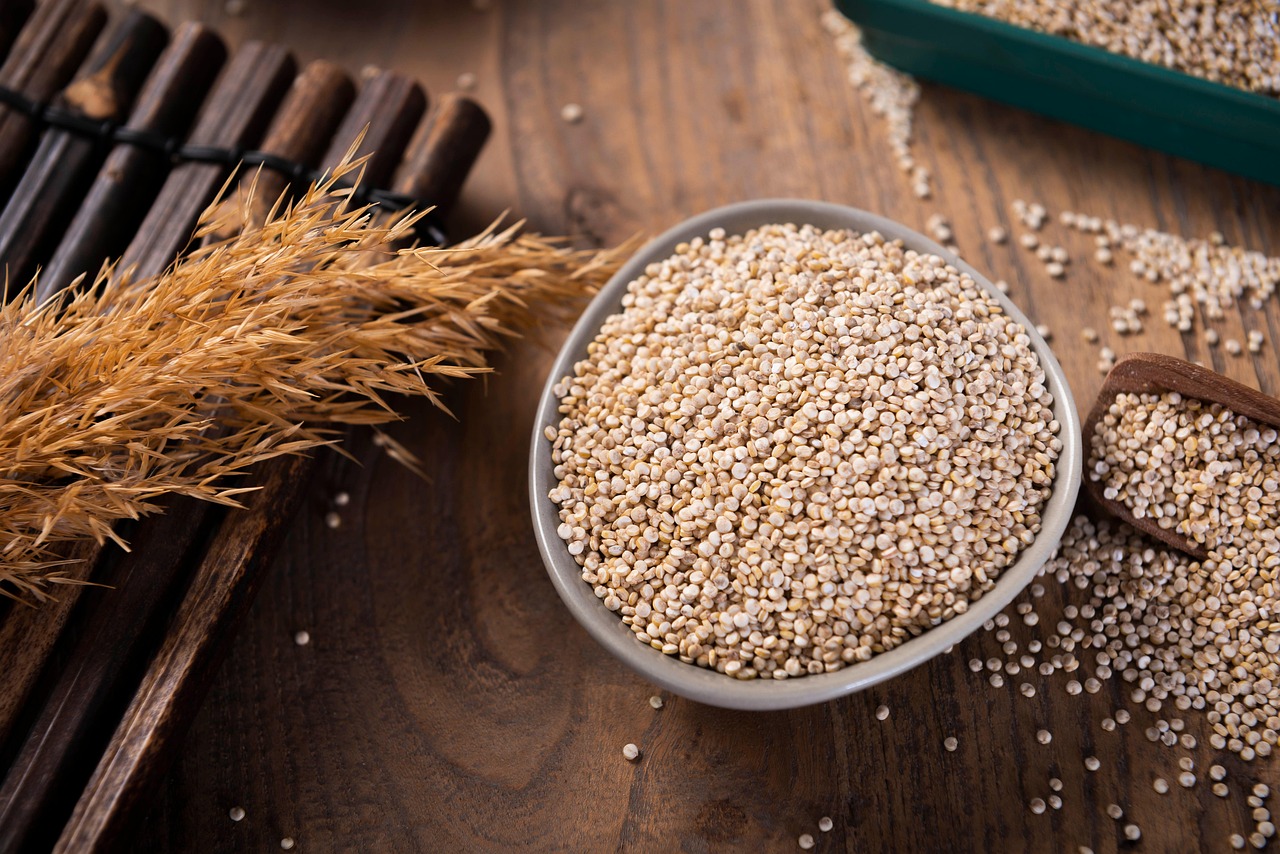

When I first stumbled upon quinoa, it was during a casual conversation with a friend who was raving about its health benefits. As someone who has spent years researching natural health remedies, I was intrigued. Quinoa isn’t just a trendy superfood; it’s a powerhouse of nutrients that can play a significant role in joint health, particularly when it comes to supporting ligaments. In this article, we’ll explore the relationship between quinoa and joint health, focusing on how this ancient grain can nourish your ligaments and help you maintain mobility.

Contents
- The Nutritional Profile of Quinoa
- How Quinoa Supports Ligament Health
- Practical Applications: How to Incorporate Quinoa into Your Diet
- Common Mistakes to Avoid
- Addressing Skepticism: Is Quinoa the Ultimate Solution?
- Cultural Context: A Look at Quinoa’s History
- Frequently Asked Questions
- Conclusion
- References
The Nutritional Profile of Quinoa
Quinoa is often labeled as a “superfood,” and for good reason. It’s packed with essential nutrients that are beneficial for overall health, but its specific benefits for joint health deserve special attention.
Complete Protein Source
One of the standout features of quinoa is its status as a complete protein. Unlike many plant-based proteins, quinoa contains all nine essential amino acids. This is particularly important for ligament health, as amino acids are the building blocks of collagen and elastin, both of which are crucial for maintaining the structural integrity of ligaments.
A study published in the Journal of Food Science and Technology highlights that the amino acid profile of quinoa supports muscle repair and recovery, which can indirectly benefit joint health by enhancing overall physical activity and reducing injury risk (1).
Rich in Antioxidants
Quinoa is also rich in antioxidants, including flavonoids like quercetin and kaempferol. These compounds have anti-inflammatory properties that can help reduce joint pain and inflammation. Chronic inflammation is a significant contributor to joint issues, and incorporating quinoa into your diet may help mitigate this.
Vitamins and Minerals
Beyond protein and antioxidants, quinoa is a great source of essential vitamins and minerals, including magnesium, phosphorus, and B vitamins. Magnesium, in particular, plays a role in muscle function and may help alleviate muscle cramps, which can indirectly support joint health. A study from the National Institutes of Health emphasizes the importance of magnesium in reducing muscle-related discomfort (2).
How Quinoa Supports Ligament Health
The nutrients found in quinoa can have a positive impact on ligaments specifically. Ligaments are tough bands of tissue that connect bones to other bones at joints, and they require specific nutrients to remain healthy and functional.
Collagen Production
As mentioned earlier, the amino acids in quinoa contribute to collagen synthesis. Collagen is the most abundant protein in our bodies and is vital for maintaining the elasticity and strength of ligaments.
I’ve noticed that people who consume a balanced diet rich in amino acids tend to recover from injuries more effectively. Quinoa serves as a fantastic plant-based option for those looking to boost their collagen production without relying solely on animal products.
Anti-Inflammatory Effects
The anti-inflammatory properties of quinoa can help ease the wear and tear on ligaments, especially for athletes or individuals who engage in repetitive movements. The flavonoids in quinoa combat oxidative stress and inflammation, which can contribute to ligament injuries.
Strengthening Ligaments
Regular consumption of quinoa can enhance the overall strength of ligaments. By providing essential nutrients, quinoa supports the body’s ability to repair and regenerate tissues.
For instance, a personal story comes to mind: A friend of mine, an avid runner, incorporated quinoa into her diet after experiencing recurring knee pain. Within weeks, she reported feeling stronger and more stable during her runs, attributing part of her recovery to the nutrient density of quinoa.
Practical Applications: How to Incorporate Quinoa into Your Diet
Incorporating quinoa into your diet is easier than you might think. Here are some practical tips to get you started:
Quinoa Salads
One of the simplest ways to enjoy quinoa is by making salads. Cook a batch of quinoa and toss it with your favorite vegetables, nuts, and a light dressing. Not only is this a nutritious meal, but it also allows you to experiment with flavors.
Quinoa Bowls
Quinoa bowls are versatile and can be customized to your liking. Start with a base of quinoa, add protein (like beans or grilled chicken), and top with colorful vegetables and healthy fats like avocado or olive oil. This makes for a balanced meal that supports joint health.
Breakfast Quinoa
Quinoa isn’t just for lunch or dinner. Try it for breakfast! Cook quinoa in almond milk and top with fruits, nuts, and a drizzle of honey. This delicious breakfast is a fantastic way to kickstart your day while nourishing your joints.
Quinoa in Soups and Stews
Adding quinoa to soups and stews can enhance their nutritional profile. It acts as a thickener and adds a nutty flavor. Plus, it’s an excellent way to sneak in some extra nutrients.
Common Mistakes to Avoid
While quinoa is a nutritious addition to your diet, there are a few common pitfalls to watch out for:
Overcooking
Quinoa can become mushy if overcooked. Aim for a fluffy texture by following the recommended cooking time, which is generally about 15 minutes.
Rinsing
It’s essential to rinse quinoa before cooking to remove its natural coating called saponin, which can impart a bitter taste. This small step can make a significant difference in flavor.
Portion Sizes
Quinoa is calorie-dense, so it’s important to be mindful of portion sizes. While it’s nutritious, consuming too much can lead to excess calorie intake, counteracting your health goals.
Addressing Skepticism: Is Quinoa the Ultimate Solution?
While quinoa offers numerous benefits for joint health, it’s essential to recognize that it’s not a cure-all. Some people may be skeptical about relying on a single food for ligament support.
Mixed Research
Although many studies point to the benefits of quinoa, research on its direct impact on ligament health is limited. A review in the Journal of Nutritional Biochemistry notes that while quinoa’s nutrient profile is promising, further research is needed to establish a direct link between quinoa consumption and ligament health (3).
Individual Variability
Everyone’s body reacts differently to dietary changes. Some might find quinoa beneficial, while others may not notice a significant impact on their joint health. It’s crucial to consider a holistic approach that includes a balanced diet, regular exercise, and proper hydration.
Cultural Context: A Look at Quinoa’s History
Quinoa has been cultivated for thousands of years, particularly in the Andean region of South America. The ancient Incas referred to it as “the mother of all grains.” They recognized its nutritional value and often consumed it to enhance stamina and strength.
Today, quinoa has gained popularity worldwide, often touted as a superfood. However, it’s essential to appreciate its cultural significance and the traditional practices surrounding its cultivation and consumption.
Frequently Asked Questions
1. Can quinoa replace meat in my diet?
Yes, quinoa is a complete protein and can be an excellent substitute for meat, especially for vegetarians and vegans. However, ensure you’re getting a variety of protein sources to meet your nutritional needs.
2. How often should I eat quinoa for joint health?
Incorporating quinoa into your diet a few times a week can be beneficial. It’s best to combine it with other nutrient-rich foods for optimal health.
3. Is quinoa gluten-free?
Yes, quinoa is naturally gluten-free, making it a great option for those with gluten sensitivities or celiac disease.
4. Can I eat quinoa every day?
While quinoa is nutritious, moderation is key. Eating it daily is generally fine, but ensure your diet remains diverse to cover all nutrient bases.
5. How can I store cooked quinoa?
Cooked quinoa can be stored in an airtight container in the fridge for up to a week. You can also freeze it for longer storage.
Conclusion
As I reflect on my journey with quinoa, I’m continually amazed by its versatility and health benefits. While it’s not a miracle food, its ability to nourish ligaments and support joint health is noteworthy. By incorporating quinoa into a balanced diet, you can contribute to your overall well-being and maintain mobility as you age.
Remember, the path to health is individual. It’s always wise to consult with healthcare providers when making significant changes to your diet, especially if you have existing health conditions. Stay curious and open-minded, and your journey toward nourishing your joints can be as enriching as the food you choose to eat.
Medical Disclaimer: This article is for educational purposes only and does not replace professional medical guidance. Always speak with a qualified healthcare provider before making changes to your health routine.
References
- Journal of Food Science and Technology. (2019). Nutritional benefits of quinoa. Link
- National Institutes of Health. (2021). Magnesium: Fact sheet for health professionals. Link
- Journal of Nutritional Biochemistry. (2020). Quinoa: A comprehensive review on its nutritional aspects. Link
Get Your FREE Natural Health Guide!
Subscribe now and receive our exclusive ebook packed with natural health tips, practical wellness advice, and easy lifestyle changes, delivered straight to your inbox.