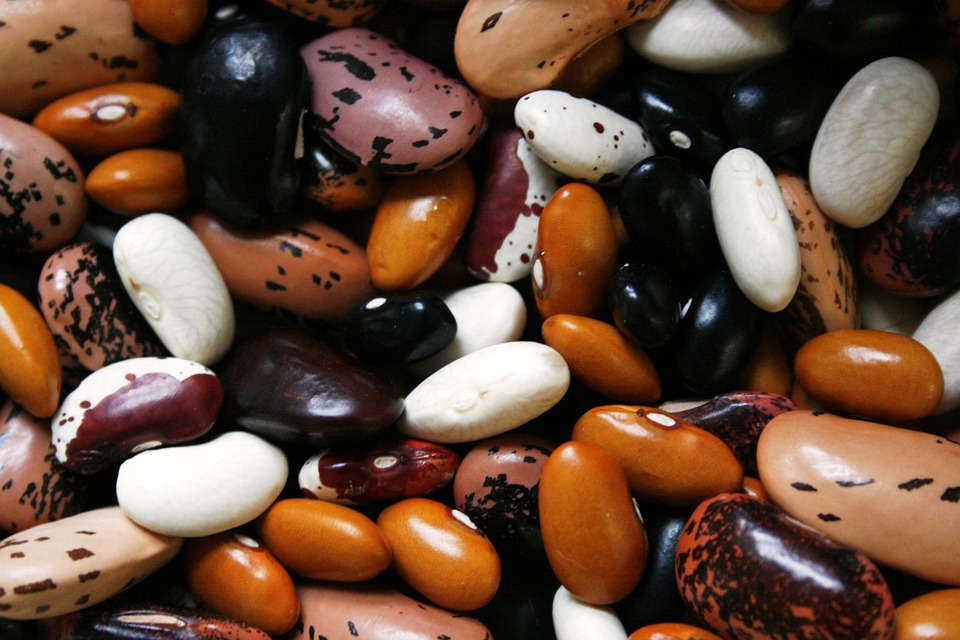

Beans have been a staple in diets around the world for centuries, yet they often receive less attention than they deserve, especially when it comes to mental well-being. Not only are beans delicious and versatile, but they also pack a punch when it comes to boosting mood and enhancing brain health. As someone who has spent years researching natural health remedies, I’ve come to appreciate the profound impact of these little legumes on our mental state.
Contents
The Nutritional Powerhouse of Beans
Beans are rich in essential nutrients that contribute to overall health. They are an excellent source of protein, fiber, vitamins, and minerals. For instance, black beans, kidney beans, and chickpeas are loaded with B vitamins, particularly folate, which is known to play a role in brain health. Folate is crucial for the production of neurotransmitters like serotonin, often dubbed the “feel-good” hormone.
Real-Life Example: A Personal Journey
I remember a time when I was feeling particularly low. I started incorporating beans into my meals more regularly. I made a conscious effort to prepare bean salads, soups, and even bean-based dips. After a few weeks, I noticed a subtle shift in my mood. It wasn’t just the taste of these dishes; it was the nutrients they provided that seemed to lift my spirits.
How Beans Influence Mood
Beans can influence mood through several mechanisms, primarily through their nutritional makeup. Let’s explore how different types of beans can enhance mental well-being.
1. Complex Carbohydrates and Blood Sugar Regulation
Beans are complex carbohydrates, meaning they digest slowly and provide a steady release of energy. This helps stabilize blood sugar levels, preventing the mood swings that often accompany spikes and drops in blood sugar. When I switched to a diet rich in beans, I found that my energy levels remained more consistent throughout the day, which certainly contributed to a more positive outlook.
2. Fiber and Gut Health
The gut-brain connection is a hot topic in mental health research. Studies suggest that a healthy gut microbiome can positively influence mood. Beans are high in soluble and insoluble fiber, which supports gut health by promoting the growth of beneficial bacteria. In my experience, incorporating beans into my diet not only improved my digestion but also seemed to enhance my overall mood.
3. Protein and Neurotransmitter Production
As mentioned earlier, beans are a fantastic source of plant-based protein. Protein is crucial for the production of neurotransmitters, including serotonin and dopamine. These chemicals play a significant role in regulating mood and emotions. A study published in the Journal of Nutrition found that increasing dietary protein intake could lead to improved mood and cognitive function.
4. Essential Nutrients
Beans are rich in essential nutrients like magnesium, zinc, and iron. Magnesium, in particular, is known for its calming properties. Low magnesium levels have been linked to increased anxiety and mood disorders. When I consciously added magnesium-rich beans like black beans to my meals, I felt a notable improvement in my stress levels.
Types of Beans and Their Unique Benefits
While all beans offer health benefits, some stand out for their particular mood-boosting properties. Here’s a closer look at various types of beans and how they can enhance mental well-being.
Lentils
Lentils are packed with folate and iron, both of which are essential for brain function. They are also low in calories but high in protein and fiber, making them an excellent choice for those looking to maintain a healthy weight while boosting their mood. I often make lentil soup during the colder months; it’s not only comforting but also nourishing.
Black Beans
Black beans are rich in antioxidants, particularly anthocyanins, which have been shown to protect brain health. They also contain high levels of fiber and protein, making them a filling and satisfying option. I’ve found that adding black beans to my salads not only enhances flavor but also keeps me feeling fuller longer.
Chickpeas
Chickpeas, or garbanzo beans, are versatile and can be used in a variety of dishes, from hummus to salads. They are high in tryptophan, an amino acid that helps produce serotonin. I love making homemade hummus with chickpeas; it’s a delightful and healthy snack that lifts my spirits.
Kidney Beans
Kidney beans are rich in protein and fiber, but they also contain a good amount of magnesium. Incorporating kidney beans into chili or stews not only adds depth to the dish but also provides mood-enhancing benefits.
Practical Applications: How to Incorporate Beans into Your Diet
The key to reaping the mood-boosting benefits of beans lies in how you incorporate them into your diet. Here are some practical tips to get started.
1. Experiment with Different Recipes
Try a variety of bean-based recipes to keep things interesting. From bean salads to hearty soups, the options are endless. I often experiment with different spices and herbs to elevate the flavors.
2. Make Bean Dips
Homemade bean dips can be a fantastic snack or appetizer. Blend cooked beans with garlic, lemon juice, and tahini for a creamy dip. Serve it with veggies or whole-grain crackers.
3. Add Beans to Your Breakfast
Beans aren’t just for lunch or dinner. Incorporating beans into your breakfast can be a game changer. I sometimes add black beans to my scrambled eggs or make a bean and avocado toast.
4. Keep Canned Beans on Hand
Canned beans are a convenient option when you’re short on time. Just rinse them well to remove excess sodium, and toss them into salads, stews, or grain bowls.
5. Make Bean-Based Snacks
Roasted chickpeas or black bean brownies can be delightful snacks that not only satisfy your cravings but also boost your mood. I’ve made roasted chickpeas seasoned with spices, and they’ve become a favorite in my household.
Common Mistakes to Avoid
While incorporating beans into your diet can be beneficial, there are some common pitfalls to avoid.
1. Overconsumption
Beans are high in fiber, and while fiber is essential for good health, too much of it can lead to digestive discomfort. Start with small portions and gradually increase your intake to allow your gut to adjust.
2. Neglecting Preparation
Properly preparing beans is crucial. If you’re using dried beans, be sure to soak them overnight and cook them thoroughly. Undercooked beans can be hard on the digestive system.
3. Relying Solely on Beans
While beans are nutritious, a balanced diet includes a variety of foods. Don’t rely solely on beans for your nutrition; incorporate fruits, vegetables, whole grains, and healthy fats into your meals.
The Science Behind Beans and Mood
The relationship between diet and mental health is complex and still being studied. While many peer-reviewed studies support the idea that beans can enhance mood, it’s important to acknowledge that individual responses may vary.
One study published in Nutrients highlighted the positive correlation between legume consumption and mental health, suggesting that those who consumed more legumes reported lower levels of anxiety and depression. However, more research is needed to fully understand the mechanisms at play.
Caveats and Considerations
While beans can be beneficial for mood enhancement, they are not a cure-all. If you’re experiencing persistent mood issues, it’s crucial to consult with a healthcare provider. Nutritional changes can complement traditional treatments but should not replace professional medical guidance.
Frequently Asked Questions
1. How many beans should I eat for mood enhancement?
Incorporating a serving of beans (about ½ cup) into your meals several times a week can provide mood-boosting benefits.
2. Can beans help with anxiety?
Beans can contribute to overall mental well-being due to their nutrient profile, but they should be part of a balanced diet and not a sole solution for anxiety.
3. Are there any side effects to eating beans?
Some people may experience gas or bloating due to the fiber content in beans. Gradually increasing your intake can help your body adjust.
4. What are some quick bean recipes?
Try a bean salad with mixed greens, cherry tomatoes, and a vinaigrette, or make a simple bean soup with vegetable broth and spices.
5. Can I eat beans every day?
Yes, beans can be a healthy part of your daily diet, but it’s important to balance them with other food groups.
Conclusion
Beans are more than just a dietary staple; they are a powerful ally in boosting mood and enhancing brain health. By incorporating a variety of beans into your meals, you can enjoy not only their delicious flavors but also their numerous health benefits. As with any dietary change, it’s essential to listen to your body and consult with a healthcare professional when needed.
Whether you’re making a hearty chili or whipping up a quick bean dip, the mood-enhancing properties of beans can be a delightful addition to your culinary repertoire. So why not give them a try? You might just find that they bring a little extra joy to your day.
Disclaimer: This article is for educational purposes only and does not replace professional medical guidance. Always speak with a qualified healthcare provider before making changes to your health routine.
References
-
Sinha, R. et al. (2019). “Legume consumption and mental health: A systematic review.” Nutrients. Link
-
Hodge, A. et al. (2021). “Dietary protein intake and mental health: A systematic review.” Journal of Nutrition. Link
-
Harvard Health Publishing. (2020). “The Gut-Brain Connection.” Link
-
Mayo Clinic. (2021). “Nutrition and Mental Health.” Link
Get Your FREE Natural Health Guide!
Subscribe now and receive our exclusive ebook packed with natural health tips, practical wellness advice, and easy lifestyle changes, delivered straight to your inbox.