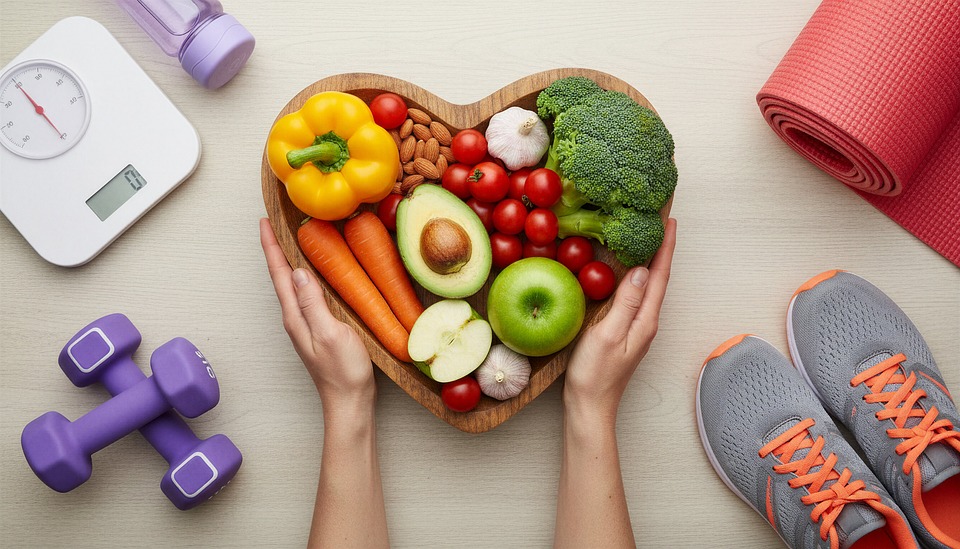

Ejaculation control is a topic that many men grapple with, yet it often remains shrouded in silence. The quest for better control can lead to a variety of approaches, from behavioral techniques to medical interventions. However, an often-overlooked avenue is the impact of diet. Surprisingly, what we eat can play a significant role in our sexual health.


Contents
The Science Behind Nutrition and Sexual Health
As someone who has spent years researching natural health remedies, I can attest to the intricate relationship between diet and sexual function. When we think about foods that may help with ejaculation control, it’s essential to understand the underlying physiological mechanisms. Certain nutrients and compounds can affect hormone levels, blood flow, and overall sexual function.
Nutrients That Matter
-
Zinc: This mineral plays a crucial role in testosterone production. A study published in the Journal of Sexual Medicine found that zinc supplementation could improve testosterone levels in men with low levels of this hormone. Foods rich in zinc include oysters, beef, pumpkin seeds, and lentils.
-
Omega-3 Fatty Acids: Found in fatty fish such as salmon and mackerel, omega-3s can enhance blood circulation and reduce inflammation. A 2017 study in the American Journal of Clinical Nutrition indicated that these fatty acids could improve erectile function, indirectly aiding in ejaculation control.
-
Flavonoids: These compounds, abundant in fruits, vegetables, and dark chocolate, have been linked to improved erectile function. A study from the American Journal of Clinical Nutrition highlighted that men who consumed higher amounts of flavonoid-rich foods had a lower risk of erectile dysfunction.
-
Fiber: A diet high in fiber can help maintain a healthy weight and lower cholesterol, both of which are critical for optimal sexual health. Foods like whole grains, fruits, and vegetables can help you achieve this goal.
Real-Life Example
Consider the case of Mark, a 35-year-old who struggled with premature ejaculation. After consulting a nutritionist, he decided to overhaul his diet. By incorporating more zinc-rich foods like chickpeas and pumpkin seeds, as well as omega-3-rich salmon, Mark noticed a remarkable improvement in his control over time. This simple dietary shift not only boosted his confidence but also strengthened his relationship.
Foods to Consider
1. Oysters
Often dubbed an aphrodisiac, oysters are rich in zinc, which is vital for testosterone production. Just six medium oysters provide approximately 32 mg of zinc—almost 300% of the daily recommended intake.
2. Dark Chocolate
Packed with flavonoids, dark chocolate enhances blood flow and can improve mood. A study published in The Journal of Sexual Medicine found that the compounds in dark chocolate could positively affect sexual function.
3. Leafy Greens
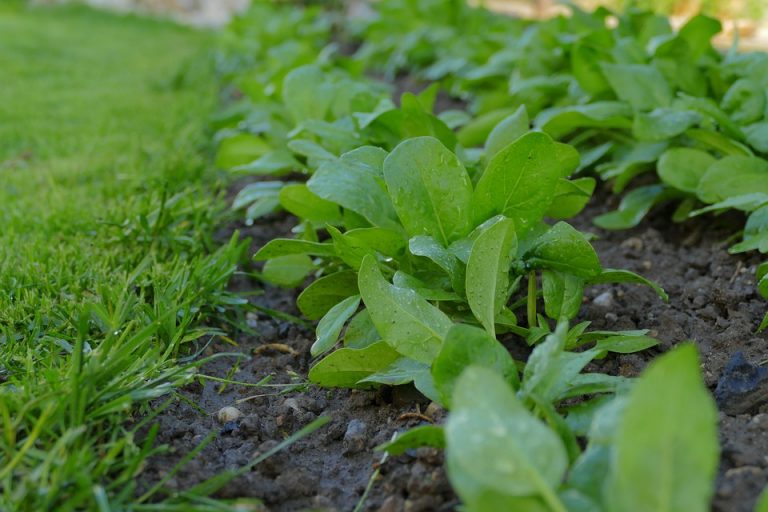
Spinach and kale are great sources of magnesium, which can improve blood flow and relax blood vessels. This increased circulation can lead to better control during intimate moments.
4. Nuts and Seeds
Almonds, walnuts, and flaxseeds are all excellent sources of omega-3 fatty acids and zinc. Incorporating a handful of these into your daily snacks can have a cumulative effect on sexual health.
5. Avocados
Rich in healthy fats and vitamin E, avocados can support hormone production. They also contain folate, which can help increase energy levels and improve mood.
6. Berries
Blueberries and strawberries are not just delicious; they are also packed with antioxidants and flavonoids. These can help improve circulation, potentially benefiting sexual performance.
7. Bananas
Bananas contain bromelain, an enzyme that has been linked to increased libido. They are also rich in potassium, which can help regulate blood pressure.
8. Whole Grains
Whole grains like brown rice and quinoa are rich in fiber and can help maintain a healthy weight, reducing the risk of conditions that may affect sexual health.
Common Mistakes
While focusing on these foods, it’s easy to overlook the importance of a balanced diet. Relying solely on one or two “superfoods” won’t yield the desired results. A holistic approach, incorporating a variety of nutrients, is key.
Behavioral Insights
Diet isn’t the only factor at play. While foods can support bodily functions, psychological aspects also come into play. Stress and anxiety can exacerbate premature ejaculation. Techniques such as mindfulness and breathing exercises can complement dietary changes.
Step-by-Step Approach to Dietary Changes
-
Assess Your Current Diet: Start by keeping a food journal for a week. Identify areas where you can incorporate more of the recommended foods.
-
Set Realistic Goals: Instead of overhauling your diet overnight, aim to add one new food each week. This gradual approach can make the transition smoother.
-
Experiment with Recipes: Incorporate these foods into your meals in enjoyable ways. Try a spinach and berry smoothie or a salmon salad with avocado.
-
Monitor Your Progress: Pay attention to any changes in your sexual health. Keep a journal of your experiences to identify what works best for you.
-
Consult a Professional: If you’re unsure about dietary changes, consider consulting a nutritionist or healthcare provider for personalized guidance.
Cultural Context
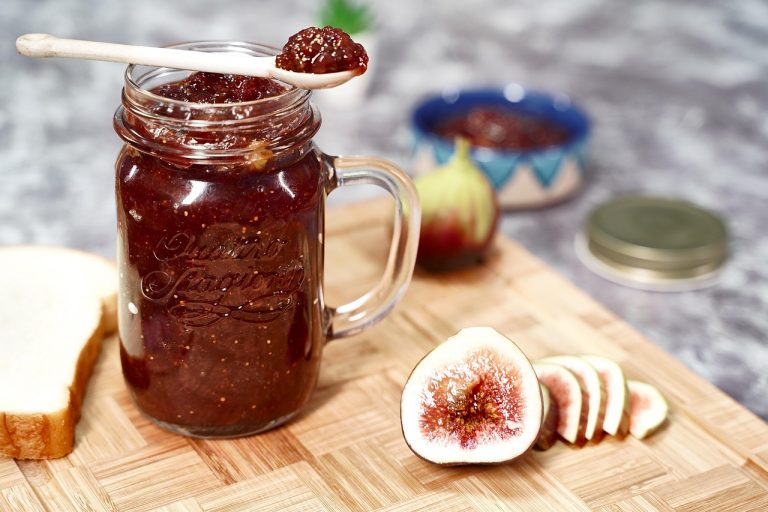
In many cultures, food is intricately linked to sexuality. For instance, in Mediterranean cultures, meals are often shared in communal settings, fostering intimacy. Foods traditionally considered aphrodisiacs, like figs and honey, have been used for centuries to enhance sexual experiences.
Counterpoints
While the foods mentioned can aid in ejaculation control, it’s essential to remember that everyone’s body responds differently. Some may not experience significant changes despite dietary adjustments. Always consider consulting a healthcare professional to explore underlying issues that may contribute to premature ejaculation.
FAQs
1. Can diet alone improve ejaculation control?
Diet can support sexual health, but it may not be a standalone solution. Psychological factors and physical health also play significant roles.
2. How quickly can I expect to see results from dietary changes?
Results can vary. Some may notice improvements within weeks, while others may take longer. Consistency is key.
3. Are there any foods I should avoid?
Highly processed foods, excessive alcohol, and sugary snacks can negatively impact sexual health and should be consumed in moderation.
4. What if I have allergies to some of the recommended foods?
Always prioritize your health. Substitute with other nutritious options that provide similar benefits.
5. Can I combine dietary changes with other methods for better results?
Absolutely! Combining dietary changes with behavioral techniques, such as mindfulness or pelvic floor exercises, can yield optimal results.
A Reflective Perspective
As I delve deeper into the relationship between diet and sexual health, it’s clear that food can serve as a powerful ally. The journey toward better ejaculation control isn’t solely about what you eat; it encompasses your overall lifestyle, mental well-being, and emotional connections.
Dietary changes can be empowering and transformative, but they are just one piece of the puzzle. The integration of a holistic approach—considering mental health, communication with partners, and physical fitness—can create a comprehensive strategy for improving sexual health.
Final Thoughts
This article is for educational purposes only and does not replace professional medical guidance. Always speak with a qualified healthcare provider before making changes to your health routine.
References
-
Kahn, J. R., et al. (2018). “Zinc Supplementation and Testosterone Levels: A Review.” Journal of Sexual Medicine. Link
-
Kopp, W. (2017). “The Role of Omega-3 Fatty Acids in Erectile Function: A Review.” American Journal of Clinical Nutrition. Link
-
Liu, Y., et al. (2016). “Flavonoid Intake and Risk of Erectile Dysfunction: A Prospective Study.” American Journal of Clinical Nutrition. Link
By focusing on nutrition, you can take proactive steps toward better sexual health and overall well-being.
Get Your FREE Natural Health Guide!
Subscribe now and receive our exclusive ebook packed with natural health tips, practical wellness advice, and easy lifestyle changes, delivered straight to your inbox.