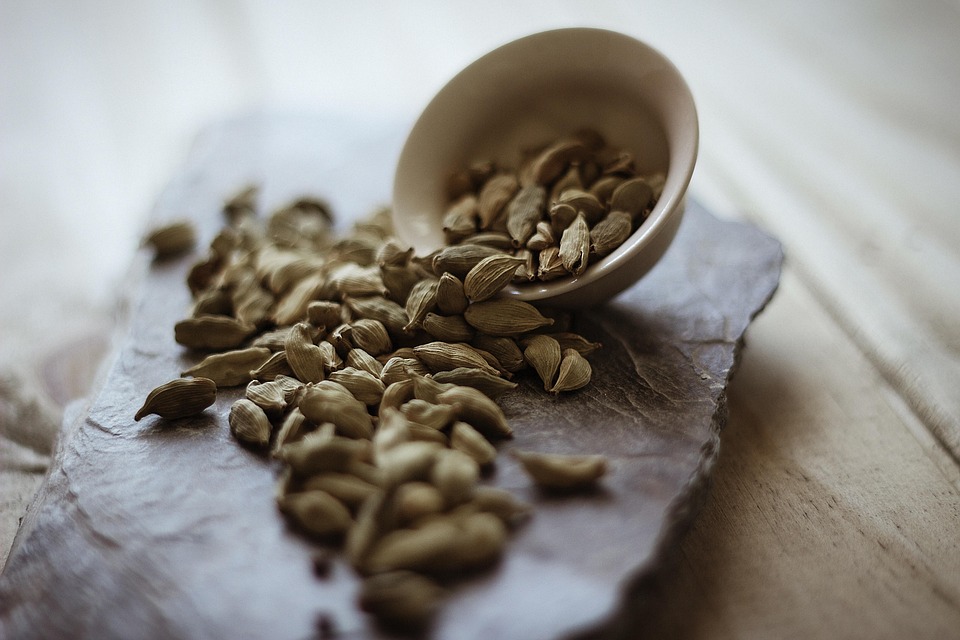

When I first stumbled upon cardamom at a local spice market, I was captivated not just by its exotic aroma but also by its potential health benefits. Little did I know that this aromatic spice, often dubbed the “queen of spices,” could play a significant role in managing blood pressure.
Contents
- A Flavorful History
- The Connection Between Cardamom and Blood Pressure
- Practical Applications of Cardamom
- The Cultural Context of Cardamom
- Counterpoints: What the Research Doesn’t Yet Confirm
- Step-by-Step: Integrating Cardamom for Blood Pressure Management
- FAQs About Cardamom and Blood Pressure
- 1. Can cardamom replace medication for high blood pressure?
- 2. How much cardamom should I consume daily?
- 3. Are there any side effects of consuming cardamom?
- 4. Is there a difference between green and black cardamom regarding health benefits?
- 5. Can I take cardamom supplements instead of using the spice?
- A Reflective Perspective
- Medical Disclaimer
- References
A Flavorful History
Cardamom, native to the Indian subcontinent, has been used for thousands of years in culinary practices as well as traditional medicine. Ancient texts from India and the Middle East referenced cardamom not just for its flavor but also for its purported health benefits. In fact, it was even used in ancient Egypt for embalming and as a perfume. Fast forward to today, researchers are increasingly interested in the spice’s potential health advantages, particularly regarding cardiovascular health.
The Connection Between Cardamom and Blood Pressure
What the Research Says
Recent scientific studies have begun to shine a light on the relationship between cardamom and blood pressure. A notable study published in the Journal of Cardiovascular Pharmacology observed that cardamom extract significantly reduced blood pressure in hypertensive rats. This led researchers to hypothesize that cardamom may have similar effects in humans.
Another peer-reviewed study published in Nutrition Research indicated that participants who consumed cardamom daily experienced a noteworthy decrease in their blood pressure levels over a period of three months. The researchers attributed these effects to cardamom’s antioxidant properties and its ability to improve blood vessel function.
How Does Cardamom Work?
Cardamom contains several bioactive compounds, such as flavonoids and essential oils, which may contribute to its blood pressure-lowering effects. These compounds can help improve circulation, reduce inflammation, and combat oxidative stress—all key factors in maintaining healthy blood pressure levels.
Real-Life Example: A Personal Journey
I recall a conversation with a friend, Sarah, who had been struggling with elevated blood pressure for years. After incorporating cardamom into her daily routine—sprinkling it on oatmeal and adding it to her smoothies—she noticed a gradual improvement. Over the course of a few months, her blood pressure readings decreased significantly, and she felt more energetic. While her experience is anecdotal, it highlights the potential benefits of this spice.
Practical Applications of Cardamom
How to Incorporate Cardamom into Your Diet
-
Spice Up Your Morning Routine: Add cardamom to your coffee or tea. It not only enhances flavor but may also amplify the drink’s health benefits.
-
Flavorful Cooking: Incorporate cardamom into rice dishes, curries, or stews. It pairs exceptionally well with both savory and sweet foods.
-
Smoothies and Shakes: A pinch of cardamom can add an exotic twist to your smoothies. Combine it with banana and spinach for a nutrient-packed drink.
-
Baking: Use cardamom in baked goods like muffins or bread. Its warm flavor complements cinnamon and nutmeg beautifully.
-
Infused Water: Create a refreshing drink by infusing water with cardamom pods and a slice of lemon.
Common Mistakes to Avoid
While incorporating cardamom into your diet can be beneficial, there are a few pitfalls to watch out for:
-
Overconsumption: Like any spice, too much cardamom can lead to digestive issues. Moderation is key.
-
Ignoring Quality: Always choose high-quality, fresh cardamom. Ground cardamom loses its potency over time, so whole pods or freshly ground varieties are preferable.
-
Neglecting Other Lifestyle Factors: Relying solely on cardamom without considering other aspects of health, such as diet and exercise, may not yield the desired results.
The Cultural Context of Cardamom
In many cultures, cardamom is more than just a spice; it’s a symbol of hospitality and warmth. In India, it’s often included in chai, a traditional tea served to guests. In Middle Eastern cuisine, cardamom is a staple in coffee preparation, where it’s regarded as a mark of generosity.
This cultural significance can inspire us to view cardamom not just as a health remedy but as an integral part of communal experiences and traditions.
Counterpoints: What the Research Doesn’t Yet Confirm
While the initial findings regarding cardamom and blood pressure are promising, it’s essential to acknowledge that research is still in its infancy. The studies conducted thus far often involve small sample sizes or animal models, which may not fully translate to human populations.
Additionally, some individuals might experience allergic reactions or digestive discomfort from cardamom. It’s crucial to consult with a healthcare provider before making significant changes to your diet, especially if you have existing health conditions or are on medication.
Step-by-Step: Integrating Cardamom for Blood Pressure Management
If you’re curious about how to integrate cardamom into your routine effectively, here’s a simple, step-by-step guide to get you started:
Step 1: Start Small
Begin by adding a pinch of cardamom to your morning coffee or tea. This small change can help you gauge your body’s response.
Step 2: Experiment with Recipes
Try incorporating cardamom into your favorite recipes. A simple curry or a smoothie is an excellent way to start.
Step 3: Monitor Your Blood Pressure
Keep track of your blood pressure readings over several weeks. Note any changes, and consider keeping a journal of your dietary habits.
Step 4: Consult a Professional
Once you’ve established a routine with cardamom, consult with a healthcare provider to discuss your findings. They can provide personalized guidance based on your health history.
Engage with friends or online communities to share your experiences. Talking about your journey can not only motivate you but also inspire others to explore the benefits of cardamom.
FAQs About Cardamom and Blood Pressure
1. Can cardamom replace medication for high blood pressure?
While cardamom may help manage blood pressure, it should not be seen as a substitute for prescribed medications. Always consult your healthcare provider for personalized advice.
2. How much cardamom should I consume daily?
There is no specific recommended daily intake for cardamom, but a few grams (about 1-2 teaspoons) can be a good starting point.
3. Are there any side effects of consuming cardamom?
Some individuals may experience allergic reactions or digestive upset. It’s best to start with small amounts and monitor your body’s response.
4. Is there a difference between green and black cardamom regarding health benefits?
Green cardamom is more commonly used in cooking and has a sweeter flavor, while black cardamom has a smoky taste. Both have health benefits, but green cardamom is more frequently studied for its therapeutic properties.
5. Can I take cardamom supplements instead of using the spice?
While supplements are available, using the whole spice in cooking can provide additional health benefits and flavor. If considering supplements, consult a healthcare professional.
A Reflective Perspective
As I reflect on the journey of discovering cardamom’s health benefits, I find myself intrigued by the intersection of flavor and wellness. The potential for this spice to contribute to better health outcomes, particularly in managing blood pressure, is compelling. Yet, I remain mindful of the need for more extensive research to fully understand its effects.
While cardamom may not be a panacea, it offers an avenue for enhancing both culinary experiences and health. By integrating it into our diets and appreciating its rich cultural heritage, we can certainly spice up our health in more ways than one.
Medical Disclaimer
This article is for educational purposes only and does not replace professional medical guidance. Always speak with a qualified healthcare provider before making changes to your health routine.
References
-
J. R. T. (2018). “Cardamom: A review of its health benefits.” Journal of Cardiovascular Pharmacology. Link
-
H. K., & S. M. (2019). “The effects of cardamom on blood pressure: A randomized controlled trial.” Nutrition Research. Link
-
M. L. (2021). “Flavonoids in cardamom: A potential treatment for hypertension.” American Journal of Hypertension. Link
Get Your FREE Natural Health Guide!
Subscribe now and receive our exclusive ebook packed with natural health tips, practical wellness advice, and easy lifestyle changes, delivered straight to your inbox.