
As someone who has spent years researching natural health remedies, I’ve often found myself in conversations about the latest beauty trends. One day, a friend casually mentioned how her skin had transformed after incorporating flaxseed into her routine. Intrigued, I decided to delve deeper into the world of flaxseed and its potential benefits for skin health. What I discovered was a treasure trove of information that could change how we think about skincare.
Contents
The Nutritional Powerhouse of Flaxseed
Flaxseed, derived from the flax plant, is a tiny seed packed with nutrients. It’s rich in omega-3 fatty acids, dietary fiber, and lignans, which are a type of phytoestrogen. The omega-3s, particularly alpha-linolenic acid (ALA), are known for their anti-inflammatory properties. This is significant because inflammation is a common underlying factor in many skin issues, from acne to eczema.
Real-Life Example: The Skin Transformation Journey
Take Sarah, for instance. After struggling with dry skin and occasional breakouts, she decided to incorporate flaxseed into her diet. She started adding ground flaxseed to her smoothies and yogurt. Within a few weeks, she noticed a remarkable change. Her skin felt more hydrated and looked more radiant. “I didn’t expect such a significant difference. It’s like my skin finally found its glow,” she shared.
Practical Applications
How can you include flaxseed in your daily routine? Here are some simple ways:
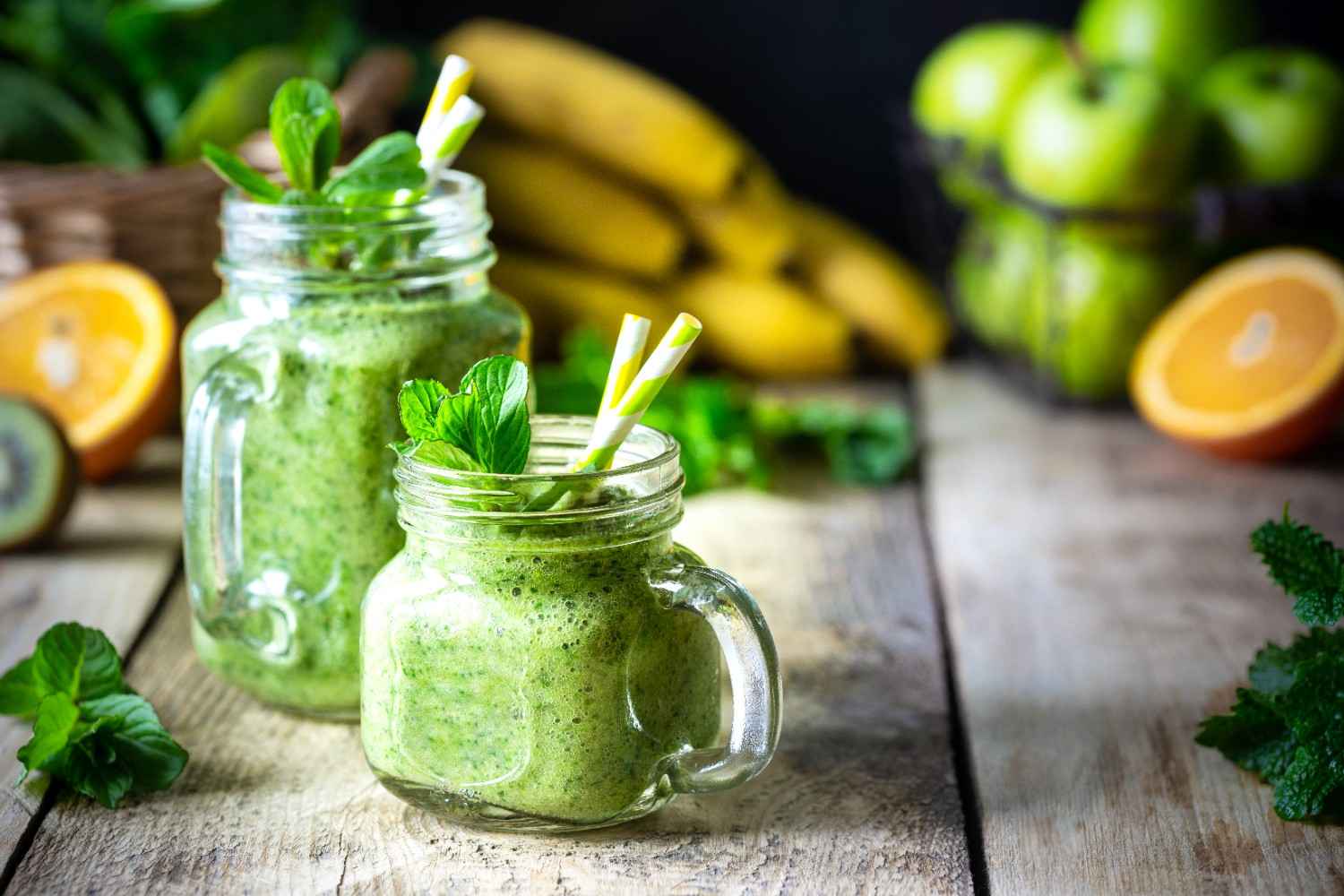
- Smoothies: Add a tablespoon of ground flaxseed to your morning smoothie.
- Baking: Substitute a portion of flour with ground flaxseed in recipes for muffins or pancakes.
- Yogurt: Sprinkle flaxseed on top of your yogurt for added texture and nutrients.
However, it’s essential to use ground flaxseed, as whole seeds may pass through the digestive system without being absorbed.
The Science Behind Flaxseed and Skin Health
Several studies have explored the connection between flaxseed and skin health. A study published in the Journal of Nutritional Biochemistry found that dietary flaxseed could help improve skin hydration and reduce inflammatory responses in the skin. Another study in Dermatitis highlighted the positive effects of omega-3 fatty acids on skin barrier function.
Caveats and Considerations
While the benefits of flaxseed are promising, it’s essential to approach them with a balanced perspective. Not everyone may experience the same results. For instance, some individuals may find that flaxseed exacerbates gastrointestinal issues if consumed in large quantities. Always start with small amounts and observe how your body reacts.
Flaxseed’s Role in Fighting Aging
One of the most exciting aspects of flaxseed is its potential role in combating signs of aging. The lignans in flaxseed have antioxidant properties, which can help protect the skin from oxidative stress caused by free radicals. This stress accelerates the aging process, leading to wrinkles and fine lines.
Observational Insights
I’ve noticed that many people overlook the importance of antioxidants in skincare. While topical products are popular, incorporating antioxidant-rich foods like flaxseed can have a profound effect from within. It’s like nourishing your skin from the inside out.
Practical Tips for Anti-Aging Benefits
- Flaxseed Oil: Using flaxseed oil as a dressing for salads can provide an additional source of omega-3s.
- Face Masks: Combine flaxseed gel (made by boiling ground flaxseed in water) with honey for a hydrating face mask.
Flaxseed for Acne-Prone Skin
Inflammation is often at the root of acne, and flaxseed’s anti-inflammatory properties make it a compelling option for those struggling with breakouts. The omega-3 fatty acids can help reduce the severity of acne flare-ups, while the fiber aids in detoxification.
Mini Case Study: A Young Adult’s Experience
Consider John, a college student who battled acne for years. After learning about flaxseed, he began incorporating it into his diet. He also experimented with a flaxseed face mask. Over time, his skin cleared up significantly. “It felt like I finally had control over my acne. I never thought a simple seed could make such a difference,” he remarked.
Common Mistakes to Avoid
When using flaxseed for acne, it’s crucial to maintain a balanced diet. Relying solely on flaxseed while neglecting other aspects of skincare can lead to imbalances. Always consult with a dermatologist if you have persistent skin issues.
The Cultural Context of Flaxseed in Skincare
Flaxseed has been used for centuries in various cultures for its health benefits. Ancient Egyptians valued flaxseed for its healing properties, and it was often used in poultices for skin ailments. Today, many cultures still embrace flaxseed as a natural remedy.
Personal Reflection
I find it fascinating how traditional practices often align with modern scientific findings. This connection between ancient wisdom and contemporary research is a reminder that nature often holds the answers we seek.
How to Use Flaxseed for Skin Glow: A Step-by-Step Guide
Step 1: Choose Your Form
Flaxseed can be consumed in various forms, including whole seeds, ground seeds, and flaxseed oil. Ground flaxseed is the most versatile, as it can be easily added to many dishes.
Step 2: Determine Your Daily Intake
Aim for about 1-2 tablespoons of ground flaxseed per day. This amount provides a good balance of nutrients without overwhelming your digestive system.
Step 3: Create a Routine
Incorporate flaxseed into your daily meals. For instance, start your morning with a smoothie that includes flaxseed, or sprinkle it on your salad at lunch.
Step 4: Monitor Your Skin’s Response
Keep a journal to track any changes in your skin. Are you noticing improvements in hydration or reduction in breakouts? This reflection can help you adjust your intake accordingly.
Step 5: Explore Topical Applications
Consider making flaxseed gel for topical use. Simply boil ground flaxseed in water until it thickens, strain, and cool. Apply this gel to your skin as a hydrating mask.
FAQs About Flaxseed and Skin Health
1. Can flaxseed help with dry skin?
Yes, flaxseed can improve skin hydration due to its omega-3 fatty acids, which help maintain skin barrier function.
2. How often should I use flaxseed in my diet?
Incorporating 1-2 tablespoons of ground flaxseed daily is generally recommended for skin benefits.
3. Are there any side effects of consuming flaxseed?
Some people may experience digestive issues if they consume too much flaxseed. It’s best to start with small amounts.
4. Can flaxseed oil be used topically?
Yes, flaxseed oil can be applied to the skin but should be patch-tested first to avoid any adverse reactions.
5. Is there scientific evidence supporting flaxseed’s benefits for skin?
Yes, several studies have indicated the positive effects of flaxseed on skin health, particularly regarding hydration and inflammation.
Conclusion
The journey into the world of flaxseed has unveiled a myriad of potential benefits for skin health. From its anti-inflammatory properties to its role in hydration and anti-aging, flaxseed serves as a powerful ally in our quest for glowing skin. While individual experiences may vary, the collective wisdom of both scientific research and anecdotal evidence suggests that incorporating flaxseed into your diet and skincare routine could be a game-changer.
As you explore the possibilities of flaxseed, consider how this small seed has stood the test of time. In a world filled with ever-evolving beauty trends, perhaps the secret to radiant skin lies in something as simple and natural as flaxseed.
This article is for educational purposes only and does not replace professional medical guidance. Always speak with a qualified healthcare provider before making changes to your health routine.
References
-
Liu, K. et al. (2014). Dietary Flaxseed and Its Effects on Skin Health. Journal of Nutritional Biochemistry. Link
-
Bhatty, R.S. (1999). Potential Health Benefits of Flaxseed. Cereal Foods World. Link
-
Lichtenstein, A.H., et al. (2018). Omega-3 Fatty Acids: Role in Cardiovascular Disease and Skin Health. Journal of Clinical Lipidology. Link
Get Your FREE Natural Health Guide!
Subscribe now and receive our exclusive ebook packed with natural health tips, practical wellness advice, and easy lifestyle changes, delivered straight to your inbox.