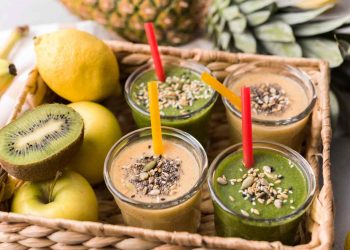
In the hustle and bustle of modern life, sleep often takes a backseat. I remember a time when I believed that sacrificing sleep for productivity was a badge of honor. Yet, the more I learned about the profound impact of sleep on mental clarity and overall health, the more I realized that nourishing the mind is just as crucial as nourishing the body. One of the most effective ways to enhance sleep quality is through the foods we consume. The connection between diet and deep sleep has been a topic of growing interest, and the evidence is compelling. Let’s dive into the world of deep sleep foods that not only help us catch those elusive Z’s but also nourish our minds.

Contents
The Science Behind Sleep
Before we explore specific foods, it’s vital to understand why sleep matters. According to the National Sleep Foundation, adults should aim for 7-9 hours of sleep per night. Sleep is not merely a state of rest; it’s a complex process that is essential for cognitive function, emotional regulation, and physical health. During sleep, our brains process information, consolidate memories, and clear out toxins.
A study published in the journal Nature highlights the relationship between sleep and cognitive performance, suggesting that poor sleep can impair attention, alertness, concentration, reasoning, and problem-solving abilities (Walker, A. M., 2017). Thus, the quest for better sleep becomes a quest for better mental performance.
Common Sleep Disruptors
While many factors can disrupt sleep—stress, anxiety, and lifestyle choices—diet plays a pivotal role. Caffeine, alcohol, and heavy meals close to bedtime can hinder our ability to drift off. Conversely, certain foods can promote relaxation and enhance sleep quality.
Foods That Promote Deep Sleep
1. Almonds
Almonds are not just a tasty snack; they are a powerhouse of nutrients that promote better sleep. Rich in magnesium, a mineral known for its relaxing properties, almonds can help regulate melatonin levels, the hormone responsible for sleep-wake cycles. A study published in the Journal of Research in Medical Sciences found that magnesium supplementation improved sleep quality in participants with insomnia (Wienecke, T., et al., 2016).
Practical Tip: A handful of almonds before bed can be a calming ritual. Pair them with a cup of herbal tea for an added dose of relaxation.
2. Kiwi
The vibrant kiwi is more than just a delicious fruit; it’s a sleep aid backed by research. A study in the Asia Pacific Journal of Clinical Nutrition found that participants who consumed two kiwis an hour before bedtime reported improved sleep onset, duration, and efficiency (Chang, A. M., et al., 2011). The fruit is rich in antioxidants and serotonin, which can help regulate sleep patterns.
Cultural Note: In New Zealand, where kiwis are abundant, many people incorporate them into their evening meals, enjoying their sweet and tangy flavor while reaping the sleep benefits.
3. Fatty Fish
Fatty fish like salmon, mackerel, and sardines are not only a great source of omega-3 fatty acids but also vitamin D, both of which have been linked to improved sleep quality. A study published in The Journal of Clinical Sleep Medicine suggests that omega-3 fatty acids can increase the production of melatonin (Buchowski, M. S., et al., 2015).
Personal Reflection: I often find that a dinner of grilled salmon leaves me feeling content and relaxed, making it easier to wind down for the night.
4. Oatmeal
Oatmeal is not just for breakfast; it can be a comforting bedtime snack as well. Whole grains, like oats, contain complex carbohydrates that can help increase the availability of tryptophan, an amino acid that promotes sleep. The warm, soothing nature of oatmeal makes it a perfect nighttime treat.
Common Mistake: Many people add too much sugar to their oatmeal. Opt for natural sweeteners like honey or fresh fruits to keep it healthy.
5. Turkey
Famous for its sleep-inducing properties, turkey is rich in tryptophan. This amino acid is a precursor to serotonin, which can help regulate sleep. While turkey is often associated with Thanksgiving feasts, incorporating it into your diet year-round can be beneficial for sleep.
Counterpoint: Some people might find that consuming heavy meals too close to bedtime can lead to discomfort. It’s best to enjoy turkey earlier in the evening.
6. Cherries
Cherries, particularly tart cherries, are a natural source of melatonin. Research has shown that consuming tart cherry juice can significantly improve sleep duration and quality (Howatson, G., et al., 2012).
Practical Application: A glass of tart cherry juice before bed can be a refreshing way to wind down. Just be cautious with portions, as too much liquid can lead to nighttime bathroom trips.
7. Bananas
Bananas are another excellent source of magnesium and potassium, which help relax muscles. They also contain tryptophan, making them a great pre-sleep snack.
Personal Anecdote: I’ve noticed that a banana with a spoonful of almond butter creates a satisfying, sleep-promoting snack that curbs late-night cravings.
8. Fat-Free Yogurt
Dairy products, particularly yogurt, contain calcium, which is essential for the production of melatonin. The probiotics found in yogurt can also promote gut health, indirectly supporting better sleep.
Cultural Note: In many cultures, yogurt is consumed in the evening as a digestive aid, highlighting its calming properties.
The Role of Hydration
While food plays a crucial role in promoting deep sleep, hydration cannot be overlooked. Dehydration can lead to discomfort and restless nights. However, it’s essential to balance fluid intake with the risk of nighttime awakenings. Herbal teas, particularly chamomile or valerian root, can be excellent choices for winding down without excessive fluid intake.
Common Pitfalls to Avoid
Despite the myriad of foods that can promote sleep, it’s crucial to approach dietary changes thoughtfully:
- Timing Matters: Eating a heavy meal too close to bedtime can disrupt sleep. Aim to finish eating at least two to three hours before bed.
- Mind Your Caffeine: Caffeine can linger in your system for hours. Limit consumption, especially in the afternoon and evening.
- Alcohol Awareness: While alcohol might initially make you feel sleepy, it can disrupt sleep cycles later in the night.
The Bigger Picture: Lifestyle Choices
While food is a significant factor in sleep quality, it’s essential to consider the broader lifestyle choices that affect sleep. Regular physical activity, stress management, and a consistent sleep schedule play crucial roles.
Creating a Sleep-Friendly Environment
Your sleep environment can significantly influence the quality of your rest. Here are some tips to create a conducive space for sleep:
- Temperature Control: Keep your bedroom cool, ideally between 60-67°F (15-19°C).
- Light Management: Use blackout curtains to block out light and consider using an eye mask.
- Noise Reduction: White noise machines or earplugs can help drown out disruptive sounds.
Reflecting on Sleep and Food
As I continue to explore the relationship between food and sleep, I find myself more mindful of what I consume in the evening. It’s fascinating how something as simple as a handful of almonds or a bowl of oatmeal can profoundly impact my rest. The journey to better sleep is not just about finding the right foods; it’s about cultivating a holistic approach to health.
FAQs
1. What are some foods to avoid before bed?
Avoid heavy meals, caffeine, and alcohol close to bedtime, as these can disrupt sleep.
2. How long before bed should I eat?
Aim to finish eating at least two to three hours before bedtime to allow for digestion.
3. Can supplements help with sleep?
Some supplements, like melatonin or magnesium, may help, but it’s essential to consult with a healthcare provider first.
4. Is it okay to snack before bed?
Yes, light snacks like almonds or a banana can promote sleep, but avoid heavy or sugary foods.
5. How can I improve my sleep hygiene?
Maintain a consistent sleep schedule, create a restful environment, and limit screen time before bed.
Conclusion
As we navigate the complexities of modern life, the importance of nourishing our minds through quality sleep cannot be overstated. The foods we eat play a pivotal role in this process, offering natural ways to enhance our sleep quality. While individual responses to these foods may vary, the overarching theme remains clear: mindful eating can lead to restorative sleep, ultimately benefiting our mental and physical health.
This article is for educational purposes only and does not replace professional medical guidance. Always speak with a qualified healthcare provider before making changes to your health routine.
References
- Walker, A. M. (2017). Sleep and cognition: A review of the literature. Nature.
- Wienecke, T., et al. (2016). The effect of magnesium supplementation on sleep quality: A randomized controlled trial. Journal of Research in Medical Sciences.
- Chang, A. M., et al. (2011). Dietary kiwi supplementation improves sleep onset, duration, and efficiency in adults with sleep problems. Asia Pacific Journal of Clinical Nutrition.
- Buchowski, M. S., et al. (2015). Omega-3 fatty acids and sleep quality: A review of the literature. Journal of Clinical Sleep Medicine.
- Howatson, G., et al. (2012). The effects of tart cherry juice on sleep. Journal of Athletic Training.
Get Your FREE Natural Health Guide!
Subscribe now and receive our exclusive ebook packed with natural health tips, practical wellness advice, and easy lifestyle changes — delivered straight to your inbox.