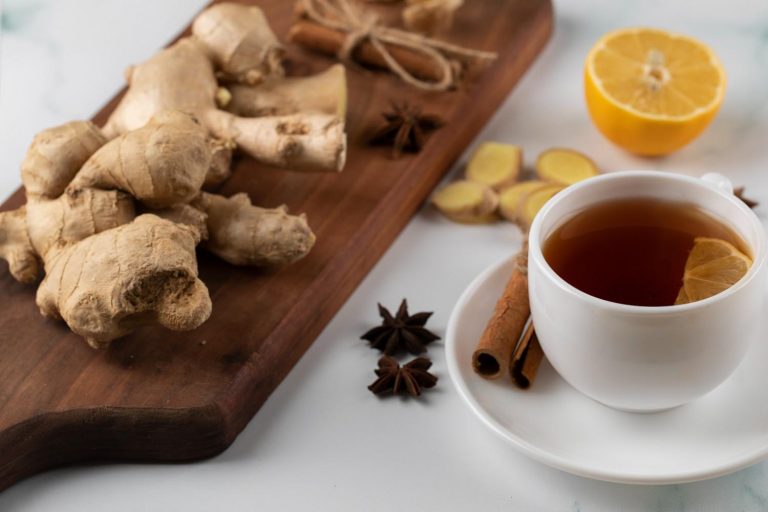
When I first stumbled upon the idea of using mint tea for digestion, it was during a particularly uncomfortable evening. After indulging in a rich meal, I found myself battling bloating and discomfort. A friend casually mentioned that mint tea could help, and I thought, “Why not give it a try?” Little did I know that this simple herbal remedy would become a staple in my digestive health routine.

Mint tea, particularly peppermint, has been lauded for its soothing properties for centuries. But what is it about this fragrant infusion that makes it a go-to for digestive woes? In this article, we’ll explore the science, benefits, and practical applications of mint tea for digestion, alongside some real-life anecdotes and cultural perspectives that underline its effectiveness.
Contents
- The Science Behind Mint and Digestion
- Common Digestive Issues Mint Tea Can Help With
- Cultural Context: Mint Tea Around the World
- How to Prepare the Perfect Mint Tea
- Potential Caveats and Considerations
- FAQs About Mint Tea for Digestion
- Reflecting on Mint Tea’s Role in Digestive Health
- Medical Disclaimer
- References
The Science Behind Mint and Digestion
Mint, particularly peppermint (Mentha piperita), contains several compounds that contribute to its digestive benefits. The most notable is menthol, which has been shown to relax the muscles of the gastrointestinal tract. This relaxation can help ease symptoms of indigestion, bloating, and gas.
Peer-Reviewed Evidence
-
A study published in the Journal of Gastroenterology found that peppermint oil capsules significantly improved symptoms of irritable bowel syndrome (IBS) among participants. The menthol in peppermint appears to inhibit smooth muscle contraction, offering relief from cramping and discomfort (Meyer et al., 2016).
-
Another study in the World Journal of Gastroenterology highlighted the effectiveness of peppermint oil in reducing abdominal pain, particularly in patients with functional dyspepsia (Keshavarz et al., 2019). These findings bolster the idea that mint tea can be beneficial for those experiencing digestive distress.
Practical Applications
When brewing mint tea, consider using fresh mint leaves for the best flavor and health benefits. Simply steep a handful of leaves in hot water for about 5-10 minutes. This simple act can become a ritual, offering not just physical relief but also a moment of calm in our hectic lives.
Common Digestive Issues Mint Tea Can Help With
Bloating and Gas
Bloating can be uncomfortable, and many people experience it after heavy meals. I’ve noticed that sipping on mint tea can alleviate the pressure and discomfort that often accompanies bloating. The menthol in mint helps relax the digestive tract, allowing gas to pass more easily.
Indigestion
Indigestion can be a side effect of overeating or consuming rich foods. When I find myself feeling overly full, a cup of mint tea often does the trick. The tea not only aids digestion but also offers a refreshing taste that can be more appealing than other remedies.
Nausea
Peppermint tea has been traditionally used to combat nausea, whether from motion sickness, morning sickness, or other causes. A personal story comes to mind: a close friend of mine swears by mint tea during her pregnancy. She says it helps settle her stomach during those early months, offering a natural alternative to over-the-counter remedies.
Heartburn
While mint can be soothing for many digestive issues, some people find that it aggravates heartburn. It’s essential to listen to your body. If you notice that mint tea worsens your symptoms, it might be best to avoid it. This highlights the importance of personal experimentation in finding what works for you.
Cultural Context: Mint Tea Around the World
Mint tea is not just a remedy; it’s a cultural icon in various parts of the world.
Middle Eastern Tradition
In Morocco, mint tea is more than a drink; it’s a symbol of hospitality. Known as “Moroccan tea,” the preparation involves brewing green tea with fresh mint and a generous amount of sugar. This blend is traditionally served in ornate glassware and is often accompanied by pastries. The refreshing qualities of mint are celebrated not just for their taste but also for their ability to aid digestion after a meal.
Asian Practices
In many Asian cultures, mint is used in dishes and teas to enhance flavor and promote digestive health. For instance, in Indian cuisine, mint chutney is commonly served with rich meals to help balance flavors and soothe the stomach.
Western Adaptation
In recent years, mint tea has gained popularity in Western wellness circles. Many cafés now offer mint-infused teas as digestive aids on their menus, often marketed as a natural remedy for bloating and discomfort.
How to Prepare the Perfect Mint Tea
Creating the perfect cup of mint tea is an art. Here’s a step-by-step guide, along with some personal observations:
Step 1: Choose Your Mint
Fresh mint leaves are ideal, but dried mint can also be effective. I’ve found that using fresh mint offers a more vibrant flavor and aroma, enhancing the overall experience.
Step 2: Boil Water
Bring water to a boil, then let it cool for a minute. Overly boiling water can scorch the leaves and diminish their flavor.
Step 3: Steep the Leaves
Place the mint leaves in a teapot or cup and pour the hot water over them. Allow them to steep for 5-10 minutes. This is where the magic happens. The longer you steep, the more intense the flavor.
Step 4: Strain and Enjoy
Strain the leaves and pour the tea into your favorite mug. You can add honey or lemon for extra flavor, but I often prefer it plain to appreciate the mint’s natural essence.
Step 5: Create a Ritual
I’ve noticed that taking a moment to sip slowly, perhaps while reading or journaling, enhances the soothing effects of the tea. This mindfulness transforms a simple beverage into a restorative ritual.
Potential Caveats and Considerations
While mint tea offers numerous benefits, it’s essential to approach it with a balanced perspective.
For Some, It May Aggravate Symptoms
As mentioned earlier, some individuals with acid reflux or GERD may find that mint exacerbates their symptoms. It’s crucial to pay attention to how your body reacts and consult a healthcare provider if you have concerns.
Quality Matters
Not all mint teas are created equal. Some commercial blends may contain additives or artificial flavors that detract from the health benefits. I prefer sourcing high-quality, organic mint when possible.
Individual Reactions
Everyone’s body is different. What works wonders for one person may not for another. Keep a journal to track your experiences with mint tea and other remedies to find the best approach for your digestion.
FAQs About Mint Tea for Digestion
1. Can I drink mint tea every day?
Yes, many people enjoy mint tea daily. However, if you experience any adverse effects, consider reducing your intake.
2. How long does it take for mint tea to work?
Typically, relief can be felt within 30 minutes to an hour after drinking mint tea, but this can vary depending on the individual.
3. Is it safe for pregnant women?
Mint tea is generally considered safe during pregnancy, but it’s always best to consult a healthcare provider.
4. Can I add other herbs to my mint tea?
Absolutely! Combining mint with ginger or chamomile can enhance digestive benefits and create a delightful flavor profile.
5. What’s the best time to drink mint tea?
Many find it beneficial to drink mint tea after meals to aid digestion, but it can be enjoyed at any time of day.
Reflecting on Mint Tea’s Role in Digestive Health
As someone who has spent years researching natural health remedies, I can confidently say that mint tea offers more than just a pleasant taste; it’s a genuine ally for digestive health. The combination of its soothing properties, cultural significance, and versatility makes it a must-try for anyone seeking natural relief.
While not a panacea, mint tea can play a valuable role in a holistic approach to digestion. Whether you’re battling bloating after a heavy meal or simply looking for a comforting beverage, consider incorporating mint tea into your routine.
Medical Disclaimer
This article is for educational purposes only and does not replace professional medical guidance. Always speak with a qualified healthcare provider before making changes to your health routine.
References
-
Meyer, M., et al. (2016). “Peppermint oil for the treatment of irritable bowel syndrome: a systematic review.” Journal of Gastroenterology. Link
-
Keshavarz, S., et al. (2019). “Efficacy of peppermint oil in functional dyspepsia: a randomized controlled trial.” World Journal of Gastroenterology. Link
-
National Institutes of Health. “Peppermint.” Link
By exploring the depths of this herbal remedy, we not only appreciate its benefits but also engage with a rich tapestry of cultural practices and personal experiences. Whether you’re a seasoned herbal enthusiast or a curious newcomer, mint tea for digestion offers a world of soothing possibilities.
Get Your FREE Natural Health Guide!
Subscribe now and receive our exclusive ebook packed with natural health tips, practical wellness advice, and easy lifestyle changes, delivered straight to your inbox.