
Did you know that what you eat can have a profound impact on your body’s ability to burn fat? If you’re trying to boost your fat-burning ketones, the ketogenic diet is a popular route. This low-carb, high-fat lifestyle encourages your body to enter a state of ketosis, where it burns fat for fuel instead of carbohydrates. But let’s be real: sticking to a strict diet can feel a bit monotonous. So, why not spice things up? Here are five delicious recipes that not only tantalize your taste buds but also help you optimize those fat-burning ketones.

Contents
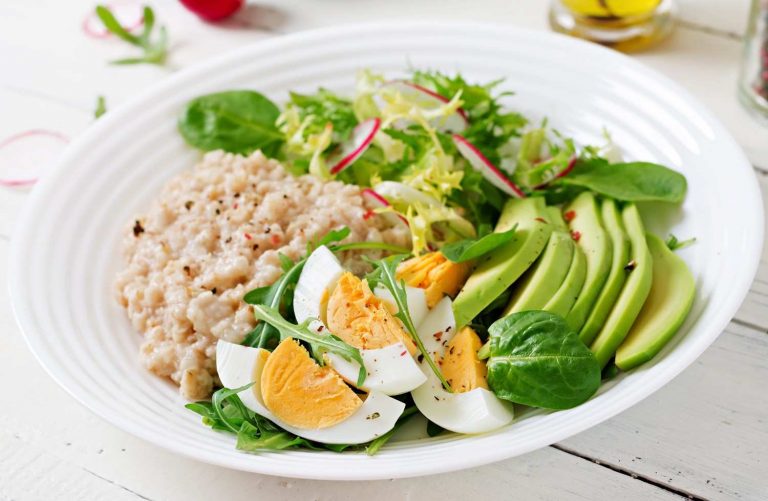
1. Avocado and Egg Breakfast Bowl
Ingredients:
- 1 ripe avocado
- 2 large eggs
- 1 tablespoon olive oil
- Salt and pepper to taste
- Red pepper flakes (optional)
Instructions:
-
Prep the Avocado: Cut the avocado in half and remove the pit. Scoop out a little bit of the flesh to make room for the egg.
-
Cook the Eggs: In a skillet, heat the olive oil over medium heat. Crack the eggs into the pan and cook to your desired doneness. I love them sunny-side up, but poached works great too!
-
Assemble the Bowl: Place the cooked eggs into the avocado halves. Sprinkle with salt, pepper, and red pepper flakes if you like a kick.
Why It Works:
Avocados are rich in healthy fats and fiber, which can help keep you satiated and promote fat burning. Eggs are an excellent source of protein, helping to maintain muscle mass while you’re in ketosis. Plus, this meal is quick to whip up—perfect for busy mornings!
2. Zucchini Noodles with Pesto and Grilled Chicken
Ingredients:
- 2 medium zucchinis
- 1 cup basil pesto (homemade or store-bought)
- 1 chicken breast, grilled and sliced
- 1 tablespoon olive oil
- Parmesan cheese (optional)
Instructions:
-
Spiralize the Zucchini: Use a spiralizer to create zucchini noodles (or “zoodles”). If you don’t have one, a vegetable peeler can work in a pinch.
-
Sauté the Zoodles: In a skillet, heat the olive oil over medium heat. Add the zoodles and sauté for about 3-4 minutes until just tender.
-
Combine: Toss the zoodles with pesto and top with grilled chicken slices. If you’re feeling fancy, add a sprinkle of Parmesan cheese.
Why It Works:
Zucchini is low in carbs and calories while being high in fiber, making it a great option for anyone looking to stay in ketosis. The pesto adds healthy fats, and the chicken provides protein to keep you full longer. Plus, who doesn’t love a good noodle dish?
3. Keto-Friendly Cauliflower Pizza
Ingredients:
- 1 head of cauliflower, riced
- 1 cup shredded mozzarella cheese
- 1 egg
- 1 teaspoon Italian seasoning
- Toppings of your choice (pepperoni, bell peppers, olives, etc.)
Instructions:
-
Rice the Cauliflower: Use a food processor to pulse the cauliflower until it resembles rice. Steam it for about 5 minutes to soften.
-
Make the Crust: In a bowl, combine the riced cauliflower, mozzarella cheese, egg, and Italian seasoning. Mix well and spread it onto a parchment-lined baking sheet into a thin crust.
-
Bake: Preheat your oven to 400°F (200°C) and bake the crust for about 20 minutes until golden brown.
-
Add Toppings: Remove from the oven, add your desired toppings, and bake for an additional 10 minutes.
Why It Works:
Cauliflower is a fantastic low-carb alternative to traditional pizza crust. It’s loaded with vitamins and minerals while being very low in calories. The cheese and egg provide healthy fats and protein, helping to keep your energy levels stable.
4. Creamy Coconut Curry Chicken
Ingredients:
- 1 pound chicken thighs, diced
- 1 can (13.5 oz) coconut milk
- 2 tablespoons curry powder
- 1 tablespoon olive oil
- 1 cup spinach
- Salt and pepper to taste
Instructions:
-
Sauté the Chicken: In a large skillet, heat olive oil over medium heat. Add the diced chicken and cook until browned.
-
Add Coconut Milk and Curry: Pour in the coconut milk and add the curry powder. Stir well and let it simmer for about 15 minutes.
-
Finish with Spinach: Add the spinach and cook until wilted. Season with salt and pepper to taste.
Why It Works:
Coconut milk is rich in medium-chain triglycerides (MCTs), which can help elevate ketone production. The spices in curry can also have anti-inflammatory benefits. This dish is not only comforting but also incredibly nourishing.
5. Chocolate Avocado Mousse
Ingredients:
- 2 ripe avocados
- 1/4 cup unsweetened cocoa powder
- 1/4 cup almond milk (or coconut milk)
- 1/4 cup sweetener of choice (like erythritol or stevia)
- 1 teaspoon vanilla extract
Instructions:
-
Blend Ingredients: In a food processor, combine the avocados, cocoa powder, almond milk, sweetener, and vanilla extract. Blend until smooth and creamy.
-
Chill: Transfer the mousse into serving dishes and refrigerate for at least 30 minutes before serving.
Why It Works:
Avocados provide healthy fats while cocoa powder adds a rich chocolate flavor without the sugar. This dessert is not only satisfying but can also help curb cravings, making it easier to stick to your ketogenic goals.
FAQs
1. What are fat-burning ketones?
Fat-burning ketones are produced when your body breaks down fat for energy, usually during periods of low carbohydrate intake. They serve as an alternative energy source for your brain and body.
2. How can I boost my ketone levels?
You can boost ketone levels by reducing carbohydrate intake, increasing healthy fat consumption, and incorporating intermittent fasting. Certain foods, like those in the recipes above, can also help.
3. Are all fats good for ketosis?
Not all fats are created equal. Focus on healthy fats like avocados, nuts, olive oil, and fatty fish. Avoid trans fats and limit saturated fats.
4. Can I eat fruits on a ketogenic diet?
Yes, but in moderation. Berries are generally lower in carbs compared to other fruits. Always check the carb content to stay within your limits.
Conclusion
Eating delicious food doesn’t have to be at odds with your health goals. These five recipes not only support fat-burning ketones but also bring variety and flavor to your ketogenic journey. Remember, the key to any successful diet is sustainability. So, let these meals be your allies in the quest for a healthier lifestyle.
And while research is ongoing, the connection between healthy fats and ketone production is promising. So why not give these recipes a try? Your taste buds—and your body—might just thank you!
Disclaimer: This article is for educational purposes only and is not a substitute for professional medical advice. Always consult a qualified healthcare provider before making changes to your health routine.
References
-
Paoli, A. (2014). Ketogenic diet for obesity: friend or foe? Journal of Nutrition and Metabolism. Retrieved from https://www.hindawi.com/journals/jnme/2014/146031/
-
Mayo Clinic. (2021). Ketogenic diet: Is the ultimate low-carb diet good for you? Retrieved from https://www.mayoclinic.org/healthy-lifestyle/nutrition-and-healthy-eating/expert-answers/ketogenic-diet/faq-20057814
-
Harvard Health Publishing. (2020). The ketogenic diet: What you need to know. Retrieved from https://www.health.harvard.edu/staying-healthy/the-ketogenic-diet-what-you-need-to-know
Get Your FREE Natural Health Guide!
Subscribe now and receive our exclusive ebook packed with natural health tips, practical wellness advice, and easy lifestyle changes, delivered straight to your inbox.