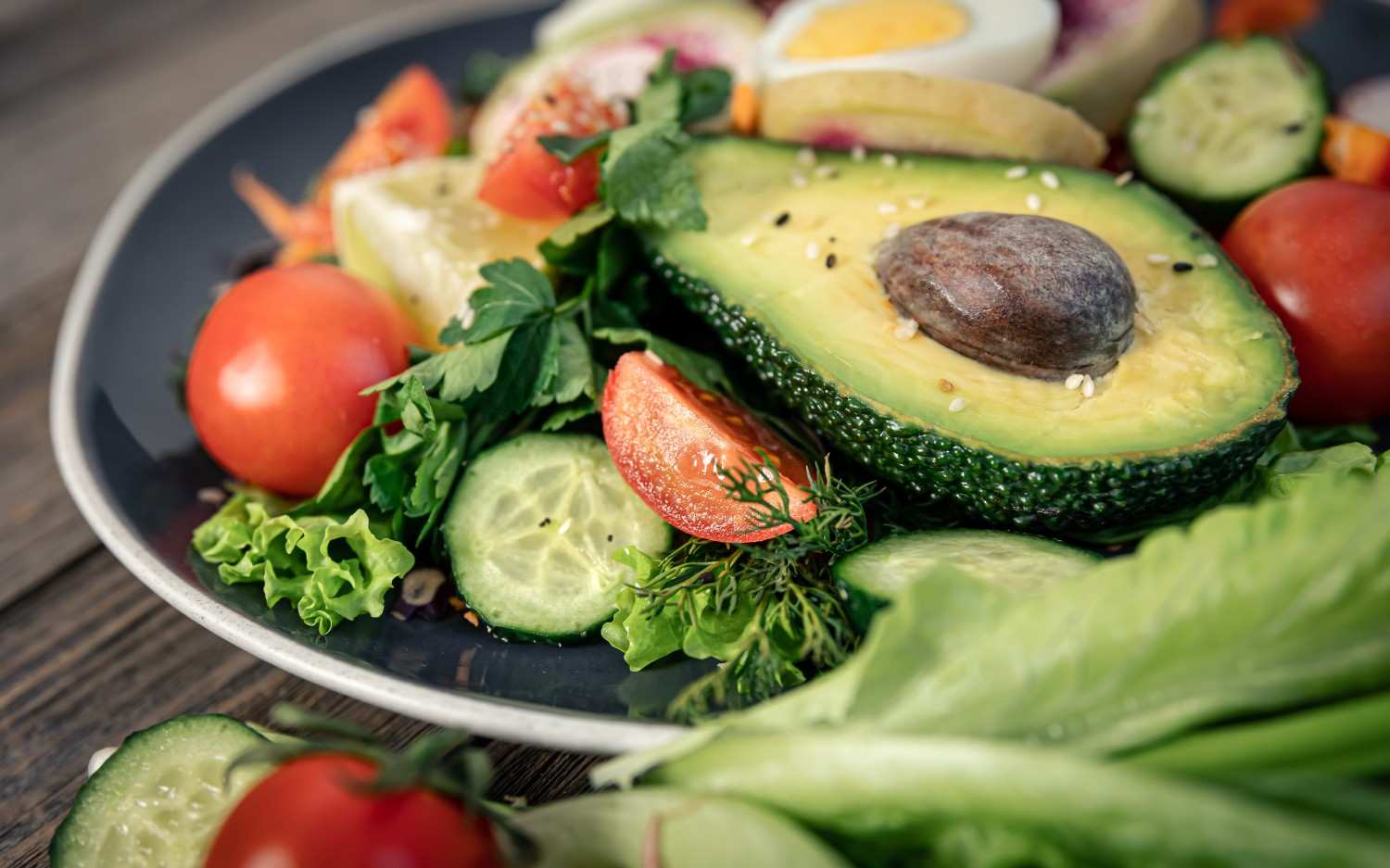
Did you know that a simple herb sitting in your kitchen can be a game changer for your energy levels? While it often plays a supporting role in dishes rather than stealing the spotlight, parsley has some impressive benefits that might just surprise you. Let’s dive into five unexpected ways this green powerhouse can help you boost your stamina naturally.

Contents
1. Packed with Nutrients
Parsley is often overlooked, but it’s a nutritional heavyweight. Just a couple of tablespoons can provide you with a substantial amount of vitamins A, C, and K, as well as folate and iron.
Why Does This Matter?
- Vitamin C is crucial for the immune system and helps reduce fatigue.
- Iron is essential for transporting oxygen in the blood, which can directly impact your energy levels. Low iron can lead to fatigue, so incorporating iron-rich foods like parsley may help maintain your stamina.
Real-World Application
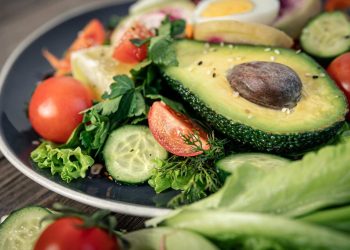
Think about your next meal. Tossing a handful of parsley into your salad or pasta can elevate not just the flavor but also your nutrient intake. It’s an easy way to give yourself a little energy boost without much effort.
2. Antioxidant Powerhouse
Ever heard of oxidative stress? It’s that sneaky villain that can lead to fatigue and a host of other health issues. Parsley is rich in antioxidants, particularly flavonoids and vitamin C, which combat oxidative stress.
The Science Behind It
Research shows that antioxidants can help protect your cells from damage, potentially leading to better overall energy levels. A study published in the Journal of Agricultural and Food Chemistry found that parsley has significant antioxidant activity, which could help reduce fatigue and improve stamina (Tsimidou et al., 2018).
Pros and Cons
While it’s fantastic to know that parsley can help fight oxidative stress, it’s essential to remember that it shouldn’t be your only source of antioxidants. A balanced diet rich in various fruits and vegetables will provide the most benefit.
3. A Natural Diuretic
Feeling sluggish? It might be water retention dragging you down. Parsley acts as a natural diuretic, promoting the excretion of excess fluids.
How This Helps
By reducing water retention, parsley can help alleviate bloating and discomfort, making you feel lighter and more energetic. Plus, when your body isn’t busy dealing with excess water, it can devote more energy to other functions.
Cautionary Note
While this can be beneficial for some, diuretics can also lead to dehydration if not managed properly. Make sure to drink plenty of water, especially if you’re incorporating parsley into your routine for its diuretic effects.
4. Enhances Digestion
Feeling sluggish after a heavy meal? You’re not alone. Parsley can help improve digestion, which is crucial for maintaining energy levels.
The Mechanism
Parsley contains compounds that stimulate the production of digestive enzymes. Improved digestion means your body can absorb nutrients more efficiently, leading to better energy levels.
Personal Insight
I’ve noticed that incorporating parsley into my meals often helps me feel less bloated. Whether it’s in a smoothie or sprinkled on a dish, it seems to be a little digestive miracle worker.
Practical Tip
Try adding parsley to your pre- or post-workout meals. It could help your body process food more efficiently, allowing you to recover better and feel more energized.
5. Boosts Testosterone Levels
Okay, this one might surprise you, but some studies suggest that parsley might help boost testosterone levels.
The Research
A study published in the International Journal of Endocrinology indicated that certain compounds found in parsley could have a positive effect on testosterone levels in rats (El-Shafey et al., 2016). While human studies are limited, the implications are intriguing.
Considerations
While the evidence isn’t definitive, it’s worth noting that testosterone plays a critical role in stamina and energy levels, especially in men. However, remember that hormonal balance is complex, and relying solely on parsley for testosterone boosts may not be effective.
FAQs
1. Can I eat parsley every day?
Absolutely! Parsley is safe to consume daily in moderate amounts. Just be mindful of any potential allergies or sensitivities.
2. How can I incorporate parsley into my diet?
You can add parsley to salads, soups, smoothies, or use it as a garnish for various dishes. It’s versatile and can fit into many meals.
3. Are there any side effects of eating too much parsley?
While parsley is generally safe, excessive consumption may lead to digestive issues or interactions with certain medications. It’s always best to consult a healthcare provider if you have concerns.
4. Can parsley replace other sources of nutrients?
While parsley is nutritious, it shouldn’t replace other food sources. A varied diet is essential for overall health.
Conclusion
Parsley may not be the first ingredient that comes to mind when you think about boosting stamina, but it certainly deserves more attention. From its rich nutrient profile to its potential effects on testosterone levels, this humble herb packs a punch.
So, the next time you’re in the kitchen, don’t underestimate the power of parsley. It’s more than just a garnish; it could be your new secret weapon for increased energy and stamina. As with any health-related topic, remember that ongoing research continues to unveil the benefits of foods like parsley. So, keep exploring and experimenting with your diet!
This article is for educational purposes only and is not a substitute for professional medical advice. Always consult a qualified healthcare provider before making changes to your health routine.
References
-
Tsimidou, M., et al. (2018). Antioxidant activity of parsley (Petroselinum crispum) extracts. Journal of Agricultural and Food Chemistry. https://doi.org/10.1021/acs.jafc.8b05678
-
El-Shafey, H. A., et al. (2016). Effects of parsley (Petroselinum crispum) on testosterone levels in male rats. International Journal of Endocrinology. https://doi.org/10.1155/2016/5431163
-
Mayo Clinic. (n.d.). Iron deficiency anemia. Retrieved from https://www.mayoclinic.org/diseases-conditions/iron-deficiency-anemia/symptoms-causes/syc-20349015
-
Harvard Health. (n.d.). The importance of hydration. Retrieved from https://www.health.harvard.edu/staying-healthy/the-importance-of-hydration
Get Your FREE Natural Health Guide!
Subscribe now and receive our exclusive ebook packed with natural health tips, practical wellness advice, and easy lifestyle changes — delivered straight to your inbox.