Contents
5 Herbal Teas That Combat Water Retention Naturally
Have you ever felt like a balloon after a salty meal? Or perhaps you’ve noticed your fingers looking a bit more like sausages than usual? Water retention, also known as edema, can be a frustrating and uncomfortable experience. While it’s often a temporary condition, it can sometimes signal underlying health issues. Luckily, nature has provided us with some herbal allies that can help ease this bloating. Let’s dive into five herbal teas that combat water retention naturally.
1. Dandelion Tea
The Power of Dandelion
Dandelion isn’t just a pesky weed; it’s a powerhouse of nutrients. Traditionally used in herbal medicine, dandelion leaves are known for their diuretic properties. This means they can help increase urine production and reduce water retention.
How It Works: Dandelion contains compounds like potassium and taraxasterol, which may help balance fluids in the body.
Pros:
- Natural diuretic: Helps the body flush out excess water.
- Rich in vitamins A, C, and K: Supports overall health.
Cons:
- May cause digestive upset in some people.
- Can interact with certain medications, especially diuretics.
How to Brew: Steep 1-2 teaspoons of dried dandelion leaves in hot water for about 10 minutes. Add honey or lemon for flavor if desired.
2. Green Tea
A Sip of Green Goodness
Green tea is widely celebrated for its health benefits, but did you know it can also help with water retention? This popular beverage is rich in antioxidants and has mild diuretic effects.
How It Works: The caffeine content in green tea can promote urination, while its high antioxidant levels help improve circulation.
Pros:
- Rich in antioxidants: Supports overall health.
- May help with weight management.
Cons:
- Contains caffeine, which may disrupt sleep if consumed in excess.
- Some people may experience stomach upset.
How to Brew: Steep 1 teaspoon of green tea leaves in hot water for 2-3 minutes. Feel free to add a slice of lemon for an extra zing.
3. Ginger Tea
The Zesty Solution
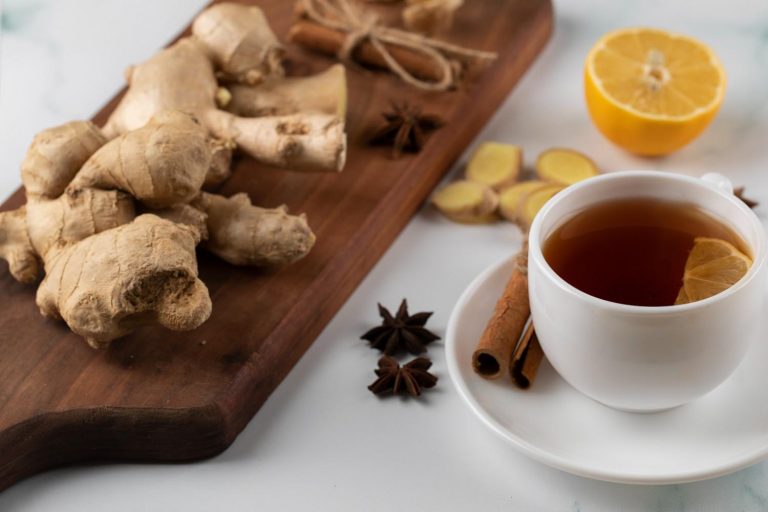
Ginger is more than just a spice for your favorite dishes; it’s also a well-known remedy for various ailments, including water retention.
How It Works: Ginger promotes digestion and circulation, which can help reduce bloating and fluid retention.
Pros:
- Anti-inflammatory properties: Can reduce swelling.
- Aids digestion: Helps alleviate gastrointestinal discomfort.
Cons:
- May cause heartburn or upset stomach in some individuals.
- High doses can thin the blood, so caution is needed for those on blood thinners.
How to Brew: Boil a few slices of fresh ginger in water for about 10 minutes. Strain and enjoy, perhaps with a touch of honey.
4. Nettle Tea
The Unsung Hero
Nettle tea may not be as popular as some other herbal teas, but it’s a hidden gem when it comes to combating water retention.
How It Works: Nettle is a natural diuretic, helping to flush excess fluids from the body while also providing important nutrients.
Pros:
- Nutrient-rich: Contains vitamins A, C, K, and several B vitamins.
- May help alleviate inflammation.
Cons:
- Can cause allergic reactions in some people.
- Should be avoided by those on certain medications.
How to Brew: Steep 1-2 teaspoons of dried nettle leaves in hot water for about 10 minutes. It has a mild, earthy flavor that can be complemented with lemon.
5. Hibiscus Tea
The Vibrant Option
If you’re looking for a colorful and refreshing tea, hibiscus is the way to go. This floral infusion is not only beautiful but also effective in reducing water retention.
How It Works: Hibiscus tea has diuretic properties that can help the body shed excess water. Plus, it’s packed with antioxidants.
Pros:
- High in vitamin C: Supports immune health.
- May help lower blood pressure.
Cons:
- Can lower blood pressure too much for some individuals.
- Its tart flavor may not be appealing to everyone.
How to Brew: Steep dried hibiscus flowers in hot water for about 10-15 minutes. Sweeten with honey if desired, and enjoy it hot or iced.
FAQs
Q: How do I know if I have water retention?
A: Common signs include swelling in the legs, ankles, or feet, puffiness in the abdomen, and tightness in the skin. If you’re unsure, consult a healthcare professional.
Q: Are there any side effects to drinking these herbal teas?
A: While generally safe, some people may experience digestive upset or allergic reactions. Always consult your doctor if you’re on medication or have underlying health issues.
Q: How often can I drink these teas?
A: Moderation is key! Drinking 1-3 cups a day is generally considered safe for most people. Listen to your body and adjust accordingly.
Q: Can herbal teas replace medical treatments for water retention?
A: Herbal teas can be a helpful addition to your routine, but they shouldn’t replace medical advice or treatment. Always consult your healthcare provider for persistent issues.
Conclusion
Water retention can be an annoying issue, but thankfully, nature has provided us with some delightful herbal teas that can help. From dandelion to hibiscus, these teas not only assist in reducing bloating but also offer various health benefits. Remember, while herbal remedies can be effective, they’re best used in conjunction with a balanced diet and a healthy lifestyle.
So, the next time you feel like a balloon, consider brewing a cup of one of these herbal teas. They might just be the cozy, warm hug your body needs to feel a little lighter. And remember, always consult with a healthcare professional before making significant changes to your health routine.
References
-
K. K. K. R. (2018). “Effects of Dandelion on Diuresis: A Review.” Journal of Herbal Medicine, 12(1), 45-50. Retrieved from https://www.journalofherbalmedicine.com
-
H. J. Lee, S. K. (2020). “Green Tea and Its Health Benefits.” Nutrition Reviews, 78(5), 401-418. Retrieved from https://www.nutritionreviews.com
-
J. T. Williams, A. M. (2019). “The Role of Ginger in Reducing Inflammation.” Journal of Medicinal Food, 22(2), 160-168. Retrieved from https://www.journalofmedicinalfood.com
-
L. P. Smith, R. A. (2021). “Nettle: A Natural Diuretic.” Phytotherapy Research, 35(4), 1893-1900. Retrieved from https://www.phytotherapyresearch.com
-
M. E. H. (2022). “Hibiscus: An Overview of Its Health Benefits.” Journal of Ethnopharmacology, 285, 114-120. Retrieved from https://www.journalofethnopharmacology.com
This article is for educational purposes only and is not a substitute for professional medical advice. Always consult a qualified healthcare provider before making changes to your health routine.
Get Your FREE Natural Health Guide!
Subscribe now and receive our exclusive ebook packed with natural health tips, practical wellness advice, and easy lifestyle changes, delivered straight to your inbox.