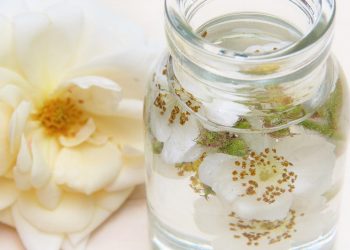
Did you know that chamomile tea is more than just a calming drink before bedtime? It’s been used for centuries not only to soothe the mind but also to enhance skin health. If you’re struggling with skin issues like acne, irritation, or even dryness, chamomile might be your new best friend.
In this article, I’ll explore five soothing remedies utilizing chamomile tea that can help you achieve clear, radiant skin. So, let’s dive in and discover how this humble flower can work wonders for your complexion!
Contents
1. Chamomile Tea Facial Steam
What Is It?
Facial steaming is a popular method for opening up the pores and allowing impurities to escape. By adding chamomile tea to the mix, you’re infusing your skin with anti-inflammatory and antioxidant properties.
How to Do It
-
Brew: Start by brewing a strong cup of chamomile tea. Use about two tea bags or two tablespoons of dried chamomile flowers in a cup of boiling water. Let it steep for about 10 minutes.
-
Prepare Your Space: Find a comfortable spot and set up a bowl (preferably ceramic or glass) to hold the tea.
-
Steam: Once the tea has cooled slightly, lean over the bowl, covering your head with a towel to trap the steam. Stay there for about 10-15 minutes.
-
Follow Up: After steaming, splash your face with cool water to close the pores and apply a gentle moisturizer.
Pros and Cons
Pros: This method can help clear out clogged pores, reduce inflammation, and promote blood circulation.
Cons: If you have very sensitive skin, the heat might cause irritation. Always do a patch test.
2. Chamomile Tea Toner
What Is It?
A toner is a liquid that helps to balance the skin’s pH, remove leftover makeup, and tighten pores. Chamomile tea can serve as a natural, soothing toner.
How to Make It
-
Brew: Make a cup of chamomile tea using the same method as above.
-
Cool: Let it cool completely. You can even refrigerate it for a refreshing effect.
-
Bottle Up: Pour the tea into a clean spray bottle. You can also add a few drops of essential oils like lavender or tea tree oil for added benefits.
-
Use: Spray the toner onto your face after cleansing. No need to rinse.
Pros and Cons
Pros: This toner is natural, alcohol-free, and packed with antioxidants. It’s especially great for calming redness and irritation.
Cons: While chamomile is generally safe, some people may have allergies. Always check for reactions.
3. Chamomile Tea Face Mask
What Is It?
A face mask can provide deep nourishment and hydration. A chamomile tea-infused mask can help calm the skin while providing moisture.
How to Create It
-
Brew: Prepare a cup of chamomile tea and let it steep for 10 minutes.
-
Combine: In a bowl, mix the cooled chamomile tea with 2 tablespoons of honey and 1 tablespoon of plain yogurt.
-
Apply: Spread the mixture evenly over your face and leave it on for about 20 minutes.
-
Rinse: Wash off with lukewarm water and pat dry.
Pros and Cons
Pros: This mask is hydrating, anti-inflammatory, and can help with acne scars due to the healing properties of honey.
Cons: If you’re allergic to honey or dairy, consider substituting with alternatives like coconut yogurt or agave.
4. Chamomile Tea Bath Soak
What Is It?
A chamomile tea bath can be incredibly soothing for irritated skin, especially if you have conditions like eczema or psoriasis.
How to Prepare
-
Brew: Make several cups of chamomile tea. You can use about 5-6 tea bags in a large pot of boiling water.
-
Strain: After steeping for 10-15 minutes, strain the tea into your bathwater.
-
Soak: Enjoy a warm bath for about 20-30 minutes.
Pros and Cons
Pros: This method can help calm inflammation and hydrate the skin. It’s a great way to unwind after a long day.
Cons: Make sure the water is not too hot, as it can exacerbate skin irritation.
5. Chamomile Tea Ice Cubes
What Is It?
Using chamomile tea ice cubes can be a refreshing way to reduce puffiness and calm irritated skin.
How to Make Them
-
Brew: Brew a strong cup of chamomile tea and let it cool.
-
Pour: Fill an ice cube tray with the cooled tea.
-
Freeze: Place the tray in the freezer until solid.
-
Use: Once frozen, wrap an ice cube in a clean cloth and gently rub it over your face for a few minutes.
Pros and Cons
Pros: This method is refreshing, reduces puffiness, and can help soothe sunburned skin.
Cons: Don’t apply ice directly to the skin; always use a cloth to prevent frostbite.
FAQs
1. Is chamomile tea good for acne-prone skin?
Yes! Chamomile tea has anti-inflammatory properties that can help reduce redness and irritation associated with acne.
2. Can I drink chamomile tea for skin benefits?
Absolutely! Drinking chamomile tea can provide internal benefits, including calming inflammation and promoting overall skin health.
3. How often can I use chamomile on my skin?
You can incorporate chamomile remedies into your routine several times a week. Just be cautious if you notice any irritation.
4. Are there any side effects of using chamomile on the skin?
While chamomile is generally safe, some people may experience allergic reactions. Always perform a patch test first.
Conclusion
Chamomile tea isn’t just a soothing beverage; it’s a versatile remedy for achieving clearer, healthier skin. From facial steams to ice cubes, these five methods can integrate easily into your skincare routine.
So, why not give chamomile a try? Your skin might just thank you for it!
Remember, skincare is a personal journey, and what works for one person may not work for another. Always listen to your skin and consult with a healthcare provider if you have any concerns.
Disclaimer: This article is for educational purposes only and is not a substitute for professional medical advice. Always consult a qualified healthcare provider before making changes to your health routine.
References
-
Dastan, A., & Zare, S. (2020). The Effects of Chamomile Tea on Skin Health: A Review. Journal of Herbal Medicine, 20, 100298. https://doi.org/10.1016/j.hermed.2020.100298
-
Mayo Clinic. (2021). Skin Care: How to Care for Your Skin. Retrieved from https://www.mayoclinic.org/healthy-lifestyle/adult-health/in-depth/skin-care/art-20045908
-
National Institutes of Health. (2022). Chamomile. Retrieved from https://nccih.nih.gov/health/chamomile
Get Your FREE Natural Health Guide!
Subscribe now and receive our exclusive ebook packed with natural health tips, practical wellness advice, and easy lifestyle changes — delivered straight to your inbox.