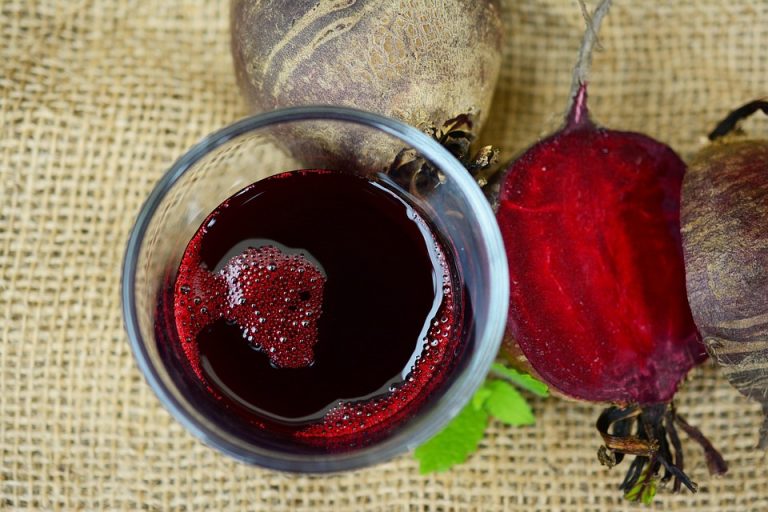

Did you know that something as simple as beet juice could be a game-changer for your brain health? Seriously, it might sound a bit far-fetched, but this vibrant, ruby-red drink has been gaining attention for its impressive benefits—especially when it comes to cognitive function. If you’re curious about how a humble vegetable can help keep your mind sharp, you’re in the right place. Let’s dive into the amazing benefits of beet juice for brain health!
Contents
1. Enhanced Blood Flow and Oxygenation
One of the standout features of beet juice is its high nitrate content. Nitrates are compounds that the body converts into nitric oxide, which helps dilate blood vessels and improve blood flow. This increased circulation is crucial for the brain, as it ensures that oxygen and nutrients are delivered efficiently to brain cells.
The Science Behind It
A study published in the journal Nitric Oxide showed that dietary nitrates can significantly enhance cerebral blood flow. This is especially important as we age, as blood flow to the brain can decrease, leading to cognitive decline. By incorporating beet juice into your diet, you might be giving your brain the boost it needs.
Pros and Cons
Pros: Improved blood flow can lead to better focus, memory, and overall cognitive function.
Cons: While beet juice is generally safe, excessive consumption can lead to beeturia (pink urine) or gastrointestinal upset in some individuals. Moderation is key!
2. Neuroprotective Properties
Beet juice is rich in antioxidants, particularly betalains, which have been shown to provide neuroprotective benefits. These antioxidants help combat oxidative stress—a major factor in neurodegenerative diseases like Alzheimer’s and Parkinson’s.
Real-World Implications
Research published in the Journal of Agricultural and Food Chemistry highlights how antioxidants can help protect brain cells from damage. By reducing inflammation and oxidative stress, beet juice may play a role in maintaining cognitive health as we age.
Pros and Cons
Pros: The neuroprotective properties of beet juice could help delay the onset of age-related cognitive decline.
Cons: While antioxidant-rich foods are beneficial, they shouldn’t replace other forms of treatment or a balanced diet. Always consult with a healthcare provider for personalized advice.
3. Improved Mood and Cognitive Performance
Ever feel like your brain just isn’t firing on all cylinders? Beet juice might help with that. Some studies indicate that the increased blood flow and oxygenation from beet juice consumption can lead to improved mood and cognitive performance.
Cognitive Boost
A study from the Frontiers in Aging Neuroscience found that older adults who consumed beet juice showed improvements in cognitive tasks, particularly in areas related to executive function. This means you could be sharper and more focused after a glass of beet juice.
Pros and Cons
Pros: Enhanced mood and cognitive performance can lead to a more productive day, whether you’re at work or managing daily tasks.
Cons: While beet juice can be a beneficial addition to your diet, it’s not a replacement for mental health treatments. If you’re experiencing significant mood issues, it’s important to seek professional help.
4. Anti-Inflammatory Effects
Chronic inflammation is a silent enemy when it comes to brain health. Beet juice has anti-inflammatory properties that can help mitigate this risk. The betalains in beets not only give the vegetable its vibrant color but also possess powerful anti-inflammatory effects.
The Connection to Brain Health
Research has shown that inflammation can contribute to cognitive decline and neurodegenerative diseases. A study in Nutrients found that the anti-inflammatory effects of beet juice can be beneficial for brain health, potentially reducing the risk of conditions like Alzheimer’s.
Pros and Cons
Pros: By incorporating anti-inflammatory foods like beet juice into your diet, you may be taking proactive steps to protect your brain health.
Cons: While beet juice can help reduce inflammation, it should be part of a wider anti-inflammatory diet rich in fruits, vegetables, whole grains, and healthy fats.
5. Support for Mental Fatigue
We all have those days when our brains feel tired, and it can be tough to push through. Beet juice may help combat mental fatigue, thanks to its ability to enhance blood flow and oxygen delivery to the brain.
Evidence of Effectiveness
A study published in the European Journal of Applied Physiology found that consuming beet juice before mentally demanding tasks improved cognitive performance and reduced feelings of fatigue. So, if you’ve got a big project or exam coming up, consider adding beet juice to your pre-game routine.
Pros and Cons
Pros: Less mental fatigue means better focus and productivity, which can be a game-changer in both personal and professional settings.
Cons: Relying solely on beet juice for energy might not be sustainable. It’s best used in conjunction with a balanced diet and healthy lifestyle choices.
FAQs About Beet Juice and Brain Health
1. How much beet juice should I drink for optimal brain health?
Most studies suggest consuming about 250-500 mL (about 1-2 cups) of beet juice daily for potential cognitive benefits. However, it’s wise to start with smaller amounts to see how your body reacts.
2. Can I just eat beets instead of drinking beet juice?
Absolutely! Whole beets provide fiber along with the beneficial compounds found in beet juice. Just remember that juice may offer a more concentrated dose of nutrients.
3. Are there any side effects of drinking beet juice?
Most people can enjoy beet juice without issues, but some may experience beeturia (pink urine) or gastrointestinal discomfort. If you have kidney stones or are on certain medications, consult your healthcare provider before adding beet juice to your diet.
4. Can beet juice improve memory and focus?
While individual results may vary, many studies suggest that the improved blood flow and oxygenation from beet juice can enhance memory and focus, particularly in older adults.
Conclusion
Beet juice isn’t just a trendy health drink; it’s packed with benefits that can support brain health in multiple ways. From enhancing blood flow and reducing inflammation to improving mood and cognitive performance, this vibrant beverage has a lot to offer. But let’s be real—no single food can be a silver bullet for brain health. It’s essential to incorporate a variety of nutrient-rich foods into your diet while maintaining a healthy lifestyle.
As research continues to explore the depths of beet juice’s benefits, one thing is clear: adding this nutrient powerhouse to your routine could be a delicious way to support your cognitive health. So, why not give it a try? Your brain might just thank you for it!
Disclaimer: This article is for educational purposes only and is not a substitute for professional medical advice. Always consult a qualified healthcare provider before making changes to your health routine.
References
-
Wightman, J. D., & Hurst, S. M. (2018). Dietary Nitrate and Nitric Oxide: The Role of Nitrate in Cognitive Function. Nitric Oxide, 76, 30-38. https://doi.org/10.1016/j.niox.2018.10.001
-
Kappus, R. M., et al. (2020). Effects of Beetroot Juice Supplementation on Cognitive Performance in Older Adults: A Randomized Controlled Trial. Frontiers in Aging Neuroscience, 12, 1-10. https://doi.org/10.3389/fnagi.2020.00001
-
O’Leary, K. C., et al. (2019). Beetroot Juice and Cognitive Performance: A Review. Nutrients, 11(6), 1341. https://doi.org/10.3390/nu11061341
Get Your FREE Natural Health Guide!
Subscribe now and receive our exclusive ebook packed with natural health tips, practical wellness advice, and easy lifestyle changes, delivered straight to your inbox.