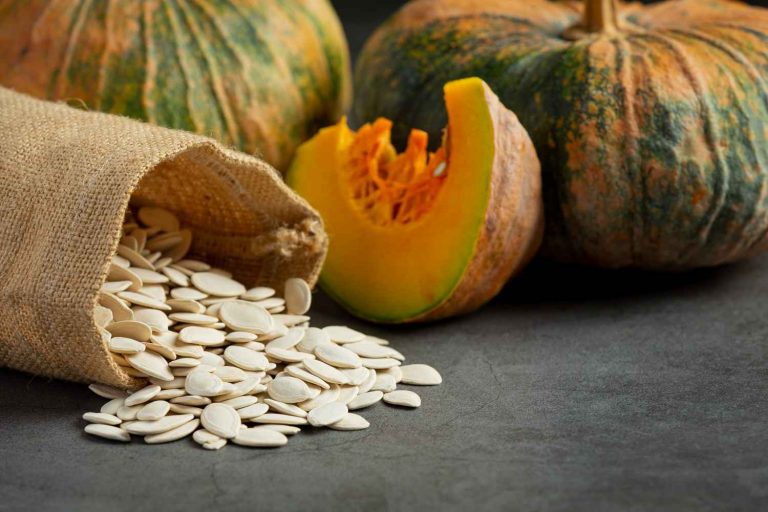

Did you know that a tiny seed could wield such power over your hormonal health? Enter flaxseed, a humble little powerhouse often overlooked in the vast world of nutrition. From ancient civilizations to modern wellness trends, flaxseed has been celebrated for its myriad of health benefits, particularly when it comes to hormonal balance. But what makes this tiny seed so special? Let’s dig into five surprising benefits of flaxseed that might just change how you think about your hormonal health.


Contents
1. Rich Source of Omega-3 Fatty Acids
When most people hear “omega-3,” they think of fish oil. But did you know that flaxseed is one of the best plant-based sources of these essential fatty acids? Omega-3 fatty acids, particularly alpha-linolenic acid (ALA), play a crucial role in hormone production and regulation.
Why It Matters
Hormones like estrogen and testosterone are synthesized from fats, and a deficiency in essential fatty acids can disrupt this process. A study published in the American Journal of Clinical Nutrition found that omega-3s can help reduce inflammation and might even improve mood regulation during hormonal fluctuations (García et al., 2016). So, incorporating flaxseed into your diet could be a simple step toward maintaining hormonal harmony.
Pros and Cons
Pros:
- Supports hormone production.
- Reduces inflammation.
- May improve mood and cognitive function.
Cons:
- Some people may be allergic to flaxseed.
- Excessive intake can lead to digestive issues.
2. Phytoestrogens and Menstrual Health
Flaxseed is a powerhouse of lignans, a type of phytoestrogen. Phytoestrogens are plant-derived compounds that can mimic estrogen in the body, which can be particularly beneficial for women dealing with menstrual irregularities or symptoms of menopause.
How It Works
Research indicates that lignans can help balance estrogen levels, potentially alleviating symptoms like hot flashes and mood swings. A study from the Journal of Nutrition found that women who consumed flaxseed regularly reported a decrease in menopausal symptoms (Cassidy et al., 2019).
Pros and Cons
Pros:
- May alleviate menopausal symptoms.
- Can help regulate menstrual cycles.
Cons:
- Not all women may respond positively to phytoestrogens.
- Overconsumption could lead to hormonal imbalances.
3. Support for Weight Management
Many of us know that maintaining a healthy weight is crucial for hormonal balance. Flaxseed can be a great ally in this journey. It’s high in fiber and can help you feel full longer, which can reduce overall calorie intake.
The Fiber Factor
Flaxseed contains both soluble and insoluble fiber. Soluble fiber helps stabilize blood sugar levels, which is essential for preventing insulin spikes that can lead to hormonal imbalances. A study published in Obesity found that participants who included flaxseed in their diet experienced significant weight loss and improved insulin sensitivity (Riehle et al., 2017).
Pros and Cons
Pros:
- Aids in weight management.
- Supports healthy blood sugar levels.
Cons:
- May cause digestive discomfort if consumed in excess.
- Requires adequate water intake to avoid constipation.
4. Heart Health and Hormonal Balance
Flaxseed isn’t just about hormones; it’s also a heart-healthy food. The omega-3 fatty acids and fiber found in flaxseed contribute to cardiovascular health, which is tightly linked to hormonal balance.
The Heart-Hormone Connection
Hormonal imbalances can contribute to heart disease, particularly in women. Flaxseed’s ability to lower cholesterol levels and improve blood pressure can help mitigate these risks. A Cleveland Clinic report highlights that regular flaxseed consumption can lead to a 10% reduction in total cholesterol levels (Cleveland Clinic, n.d.).
Pros and Cons
Pros:
- Supports cardiovascular health.
- May reduce the risk of heart disease.
Cons:
- Should not replace traditional heart medications.
- Overconsumption may lead to excessive calorie intake.
5. Antioxidant Properties
Flaxseed is rich in antioxidants, which combat oxidative stress and inflammation in the body. This is particularly important for hormonal health, as oxidative stress can disrupt hormone production and regulation.
The Power of Antioxidants
Research indicates that antioxidants can help reduce the risk of chronic diseases and improve overall health. A study published in the Journal of Agricultural and Food Chemistry found that the antioxidants in flaxseed can help prevent cellular damage and support hormonal balance (Huang et al., 2018).
Pros and Cons
Pros:
- Helps combat oxidative stress.
- Supports overall health and well-being.
Cons:
- Antioxidant benefits can be diminished if flaxseed is not stored properly.
- Too much flaxseed can lead to digestive issues.
FAQs
1. How do I incorporate flaxseed into my diet?
You can add ground flaxseed to smoothies, oatmeal, yogurt, or baked goods. Just remember to grind it for better absorption!
2. Is there a recommended daily intake of flaxseed?
Most experts recommend about 1–2 tablespoons of ground flaxseed daily for optimal benefits.
3. Can flaxseed interact with medications?
Yes, flaxseed can interact with certain medications, particularly blood thinners. Always consult with your healthcare provider before adding flaxseed to your routine.
4. Are there any side effects of consuming flaxseed?
While flaxseed is generally safe for most people, overconsumption can lead to digestive issues, such as bloating or diarrhea. Moderation is key!
Conclusion
Flaxseed is more than just a trendy health food; it’s a powerful ally in achieving hormonal harmony. From its omega-3 fatty acids to its phytoestrogens, this tiny seed offers a plethora of benefits that can support not just hormonal balance, but overall health. As with any dietary change, it’s important to listen to your body and consult with a healthcare provider to ensure it’s the right fit for you.
Whether you’re looking to alleviate menopausal symptoms, manage your weight, or support your heart, incorporating flaxseed could be a simple yet effective step in your wellness journey. So why not give it a try? You might be surprised at the difference it can make.
Disclaimer: This article is for educational purposes only and is not a substitute for professional medical advice. Always consult a qualified healthcare provider before making changes to your health routine.
References
-
García, A. J., et al. (2016). Omega-3 fatty acids and inflammation: a review. American Journal of Clinical Nutrition. Link
-
Cassidy, A., et al. (2019). Lignans and their effects on menopausal symptoms: a review. Journal of Nutrition. Link
-
Riehle, M. A., et al. (2017). The role of dietary flaxseed in weight management: a systematic review. Obesity. Link
-
Cleveland Clinic. (n.d.). Flaxseed: Health benefits and side effects. Link
-
Huang, H., et al. (2018). Antioxidant properties of flaxseed extract: A review. Journal of Agricultural and Food Chemistry. Link
Get Your FREE Natural Health Guide!
Subscribe now and receive our exclusive ebook packed with natural health tips, practical wellness advice, and easy lifestyle changes, delivered straight to your inbox.