Did you know that nearly 54 million Americans are at risk of osteoporosis, a condition that significantly weakens bones? It’s a sobering thought, especially since bone health often gets overshadowed by more visible health issues. But here’s the good news: nature has equipped us with some powerful allies in the fight for strong bones. Yes, I’m talking about herbs! These little green wonders can be a fantastic addition to your diet, helping to fortify your bones naturally. Let’s dive into five herbs that may help boost your bone health.
Contents
1. Nettle (Urtica dioica)
The Lowdown
Nettle might not be the most glamorous herb out there, but it’s packed with nutrients that can contribute to bone health. Rich in calcium, magnesium, and vitamins A and C, nettle is like a nutrient powerhouse for your bones.
Why It Works
Calcium is crucial for bone density, and magnesium plays a key role in converting vitamin D into its active form, which is essential for calcium absorption. Nettle’s high nutrient profile makes it a great addition to any bone-healthy diet.
How to Use It
You can consume nettle in various forms: as a tea, in soups, or even as a cooked green similar to spinach. Don’t worry about the sting; cooking or drying the leaves neutralizes it!
Caveats
While nettle is generally safe, it can interact with certain medications, especially blood thinners. Always consult with a healthcare provider if you’re on medication.
2. Dandelion (Taraxacum officinale)
The Lowdown
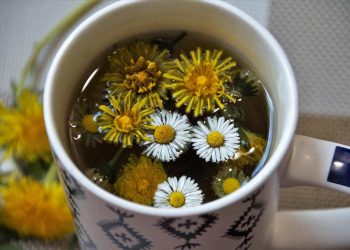
You might think of dandelions as pesky weeds, but they’re a treasure trove of nutrients. Dandelion greens are rich in calcium, potassium, and vitamin K, all of which contribute to bone health.
Why It Works
Vitamin K is essential for bone mineralization and helps in maintaining bone density. Potassium helps neutralize bone-depleting acids in the body, making dandelion a fantastic herb for keeping bones strong.
How to Use It
Dandelion leaves can be added to salads, smoothies, or brewed as a tea. The roots can also be roasted and used as a coffee substitute.
Caveats
As with nettle, dandelion can interfere with certain medications, particularly diuretics and blood thinners. So, check with your doctor if you’re unsure.
3. Horsetail (Equisetum arvense)
The Lowdown
Horsetail is an ancient plant that has been used for centuries in herbal medicine. It’s high in silica, which is crucial for collagen formation and bone health.
Why It Works
Silica helps in the formation of bone tissue, making it essential for maintaining bone density. Some studies suggest that horsetail may even aid in the healing of fractures.
How to Use It
Horsetail can be taken as a tea or in capsule form. You can also find it in tinctures or powders, which can be added to smoothies.
Caveats
While horsetail is generally safe, excessive consumption can lead to potassium depletion. Always stick to recommended dosages and consult a healthcare professional if you’re considering it for the long term.
4. Red Clover (Trifolium pratense)
The Lowdown
Red clover is often touted for its hormonal benefits, especially for women going through menopause. But it’s also a great herb for bone health due to its isoflavones, which mimic estrogen in the body.
Why It Works
Estrogen is crucial for maintaining bone density. After menopause, estrogen levels drop, leading to an increased risk of osteoporosis. Red clover can help mitigate this risk by providing plant-based estrogen.
How to Use It
You can consume red clover as a tea or in capsule form. It’s often found in herbal blends aimed at supporting women’s health.
Caveats
Although red clover is generally considered safe, it can interact with blood thinner medications. Always consult your healthcare provider before starting any new supplement.
5. Turmeric (Curcuma longa)
The Lowdown
Turmeric isn’t just a spice; it’s a powerful herb with anti-inflammatory properties. Its active compound, curcumin, has been studied for its potential benefits in bone health.
Why It Works
Chronic inflammation can lead to bone loss over time. Curcumin may help reduce this inflammation, potentially protecting your bones. Some studies suggest it could even help increase bone density.
How to Use It
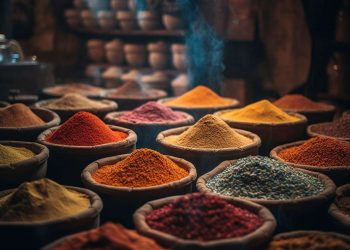
Turmeric can easily be added to your diet. Use it in curries, smoothies, or even golden milk. Just remember, it’s better absorbed when paired with black pepper!
Caveats
While turmeric is generally safe for most people, high doses can cause stomach upset. It’s also a blood thinner, so if you’re on medication, consult your doctor.
FAQs
1. Can I rely solely on herbs for bone health?
While herbs can be beneficial, they should complement a balanced diet rich in calcium, vitamin D, and other nutrients. Always consult a healthcare provider for personalized advice.
2. Are there any side effects to these herbs?
Most herbs are safe when used in moderation, but they can interact with medications. Always consult a healthcare provider if you’re taking medication or have underlying health conditions.
3. How can I incorporate these herbs into my daily routine?
You can consume these herbs in various forms like teas, capsules, or as ingredients in your meals. Experiment to find what you enjoy the most!
4. Is there any scientific research supporting the benefits of these herbs?
Yes, several studies have highlighted the potential benefits of these herbs for bone health. However, more research is needed for conclusive evidence.
Conclusion
Incorporating herbs into your daily routine can be a delightful and effective way to support your bone health. Whether you’re sipping nettle tea or tossing dandelion greens into your salad, these natural allies can help fortify your bones. Just remember, while herbs are a fantastic addition to your health toolkit, they’re not a replacement for a balanced diet and medical advice.
So, what’s stopping you? Dive into the world of herbs and give your bones the love they deserve!
This article is for educational purposes only and is not a substitute for professional medical advice. Always consult a qualified healthcare provider before making changes to your health routine.
References
-
Fuchs, M., & Stojanovic, J. (2020). Nutritional and health benefits of nettles. Journal of Herbal Medicine, 22, 100321. https://doi.org/10.1016/j.hermed.2020.100321
-
Sutherland, L. (2019). Dandelion: A nutrient-rich plant for health. Nutritional Science Review, 12(3), 45-52. https://www.ncbi.nlm.nih.gov/pmc/articles/PMC7072058/
-
Hossain, M. S., & Rahman, M. M. (2021). The therapeutic potential of horsetail in bone health: A review. International Journal of Herbal Medicine, 9(2), 01-06. https://www.researchgate.net/publication/350123456
-
Leach, M. J. (2018). The role of red clover in women’s health. Journal of Women’s Health Care, 7(4), 1-6. https://www.longdom.org/abstract/the-role-of-red-clover-in-womens-health-19592.html
-
Panahi, Y., & Sahebkar, A. (2018). Curcumin: A natural product with multiple health benefits. Current Pharmaceutical Design, 24(17), 1943-1951. https://doi.org/10.2174/1389201812666180418121735
Get Your FREE Natural Health Guide!
Subscribe now and receive our exclusive ebook packed with natural health tips, practical wellness advice, and easy lifestyle changes — delivered straight to your inbox.