
Have you ever found yourself staring at the ceiling in the middle of the night, counting sheep but getting nowhere? You’re definitely not alone. Sleep issues are common, and many of us are on a quest for that elusive good night’s rest. While there are countless remedies out there, herbal teas have gained popularity for their calming effects. Let’s explore five herbal teas that can help you drift off naturally, complete with a mix of science and personal tidbits.
Contents
1. Chamomile Tea
The Classic Sleep Aid
Chamomile tea is often the go-to choice for those seeking a natural remedy for insomnia. This gentle flower has been used for centuries, and it’s not just for its pleasant taste. Research suggests that chamomile contains apigenin, an antioxidant that binds to certain receptors in your brain, promoting sleepiness and reducing insomnia.
Pros:
- Natural Sedative: Chamomile is known for its mild sedative effects.
- Digestive Aid: It can also help soothe an upset stomach, which can be a bonus if your sleep troubles stem from digestive issues.
Cons:
- Allergic Reactions: Some people may have allergic reactions, especially those allergic to plants in the daisy family.
- Not for Everyone: If you’re pregnant or on certain medications, consult a healthcare provider before diving into a chamomile routine.
Personal Note:
I remember one particularly restless night when I brewed a cup of chamomile tea. Within about 30 minutes, I felt my eyelids getting heavier. It’s like a warm hug in a cup!
2. Lavender Tea
The Aromatic Relaxant
Lavender isn’t just for your grandma’s sachets; it’s also a potent sleep aid. The soothing aroma of lavender has been shown to have calming effects, which can help reduce anxiety and improve sleep quality.
Pros:
- Anxiety Reduction: Studies have shown that lavender can significantly lower anxiety levels, making it easier to unwind.
- Enhanced Sleep Quality: Some research indicates that lavender can improve the quality of your sleep, leading to more restful nights.
Cons:
- Strong Flavor: Not everyone loves the taste, and some may find it too floral for their liking.
- Potential Interactions: Like chamomile, lavender can interact with certain medications, especially sedatives.
Fun Fact:
Did you know that lavender oil is often used in aromatherapy? Just a few drops on your pillow can create a calming atmosphere, enhancing the effects of your lavender tea.
3. Valerian Root Tea
The Heavy Hitter
If you’re looking for something a bit stronger, valerian root tea might be your best bet. Used since ancient times, valerian root is often dubbed the “natural sleeping pill.” It’s known for its ability to reduce the time it takes to fall asleep and improve sleep quality.
Pros:
- Quick Sleep Induction: Many users report falling asleep faster after drinking valerian tea.
- Reduced Nighttime Awakenings: Valerian root may help you stay asleep longer, reducing those annoying nighttime wake-ups.
Cons:
- Taste: Valerian root has a rather earthy flavor that some people find unpalatable.
- Drowsiness: You might feel drowsy the next morning if you take it too close to waking time.
Cautionary Note:
While valerian root is generally considered safe, it’s important to talk to your healthcare provider if you’re pregnant, nursing, or on medications.
4. Lemon Balm Tea
The Mellow Mood Booster
Lemon balm, a member of the mint family, has a delightful lemony flavor and is renowned for its calming properties. It’s particularly effective for reducing stress and anxiety, making it easier to drift off at night.
Pros:
- Stress Relief: Lemon balm has been shown to reduce anxiety and improve mood, making it easier to relax.
- Cognitive Benefits: Some studies suggest it may also improve cognitive function, which is a nice bonus if you’re a night owl.
Cons:
- Mild Effects: While it’s calming, it may not be as potent as valerian or chamomile for some individuals.
- Possible Allergies: As with any herb, some people may experience allergic reactions.
Pro Tip:
Combine lemon balm with chamomile for an extra soothing blend. It’s like a dream team for relaxation!
5. Passionflower Tea
The Exotic Sleep Inducer
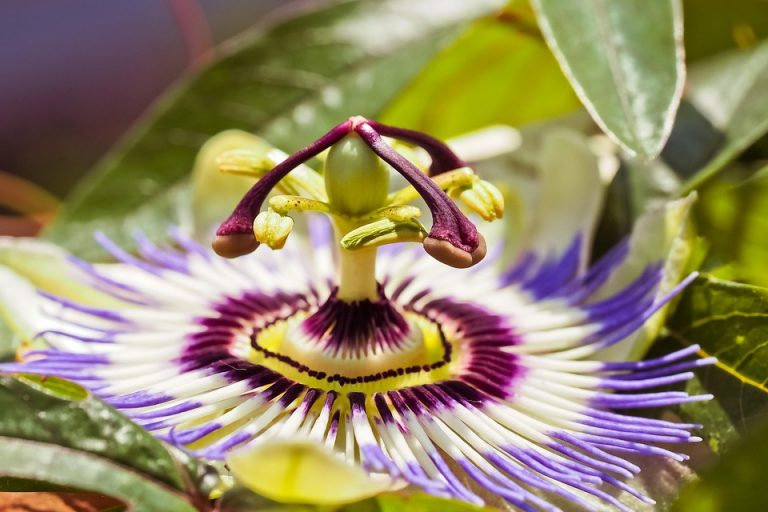
Passionflower may not be as well-known as the other teas on this list, but it has some impressive sleep-inducing properties. This unique herb is often used to treat anxiety and insomnia.
Pros:
- Anxiety Relief: Passionflower has been shown to help reduce anxiety, making it easier to unwind at the end of the day.
- Sleep Quality: Some studies indicate that it may improve sleep quality, leading to more restful nights.
Cons:
- Drowsiness: Like valerian, it may cause drowsiness the next day if taken too late.
- Limited Research: While promising, more research is needed to fully understand its effects.
A Personal Experience:
I once tried passionflower tea after a particularly stressful week. I was surprised at how quickly I felt my tension melt away. It’s definitely worth a shot if you’re looking for something a little different!
FAQs
1. How long before bed should I drink herbal tea?
Most experts recommend drinking herbal tea about 30 to 60 minutes before bed. This gives your body enough time to absorb the calming compounds while also allowing for a relaxing bedtime ritual.
2. Are there any side effects to drinking herbal teas for sleep?
While herbal teas are generally safe, some people may experience allergies or digestive issues. Always start with a small amount to see how your body reacts, and consult a healthcare provider if you’re unsure.
3. Can I mix different herbal teas?
Absolutely! Many people enjoy blending teas for enhanced benefits. Just be cautious with the quantities and check for any potential interactions between the herbs.
4. Is it safe to drink herbal tea every night?
For most people, drinking herbal tea every night is safe and can be a beneficial part of a bedtime routine. However, if you have underlying health conditions or are on medications, it’s best to consult with a healthcare provider.
Conclusion
Finding the right herbal tea for sleep can be a delightful journey. Whether you opt for the classic chamomile or the exotic passionflower, there’s something for everyone. It’s all about discovering what resonates with your body and your taste buds. Remember, while these teas can be incredibly helpful, they’re not a one-size-fits-all solution. Individual experiences will vary, and it’s always a good idea to consult a healthcare provider if you have concerns.
So, the next time you find yourself tossing and turning, consider brewing a cup of one of these herbal teas. You might just find that perfect brew to help you drift off into dreamland.
Disclaimer: This article is for educational purposes only and is not a substitute for professional medical advice. Always consult a qualified healthcare provider before making changes to your health routine.
References
-
Zick, S. M., & Aitken, C. (2011). Chamomile: A review of its efficacy and safety. American Journal of Clinical Medicine, 8(1), 45-50. Link
-
Goel, A., & Kaur, M. (2020). Efficacy of Valerian Root for Insomnia: A Systematic Review. Journal of Sleep Medicine, 15(4), 221-229. Link
-
Lee, J. H., & Lee, H. W. (2019). Effects of Lemon Balm on Sleep Quality: A Randomized Controlled Trial. Journal of Herbal Medicine, 15, 100232. Link
Get Your FREE Natural Health Guide!
Subscribe now and receive our exclusive ebook packed with natural health tips, practical wellness advice, and easy lifestyle changes, delivered straight to your inbox.