
Let’s face it: navigating health advice can feel like wandering through a maze. With so much information out there—some of it accurate, some of it wildly misleading—it’s easy to get lost. In this article, we’re diving deep into some of the most common health myths that often trip us up. By the end, you’ll be armed with knowledge that can help you make better health choices.

Contents
Myth #1: Carbs Are the Enemy
The Breakdown
Ah, the age-old enemy of diets everywhere: carbohydrates. Many people believe that cutting carbs is the key to weight loss. But is this really true?
The Truth
Carbohydrates are not inherently bad. In fact, they are the body’s primary source of energy. Whole grains, fruits, and vegetables are packed with essential nutrients and fiber, which can support your health in numerous ways. A study published in the American Journal of Clinical Nutrition found that whole grains can reduce the risk of chronic diseases like heart disease and type 2 diabetes (Slavin, 2013).
Why It Matters
When you eliminate carbs entirely, you might be missing out on important nutrients. Instead of fearing carbs, focus on choosing whole, unprocessed options. Your body will thank you.
Practical Tip
Try swapping out refined grains for whole grains. For example, choose brown rice over white rice or whole-grain bread instead of white bread. You’ll find that these options can be just as tasty!
Myth #2: Detox Diets Are Essential for Health
The Breakdown
Detox diets promise to cleanse your body of toxins and help you lose weight. But do we really need to go through such extremes?
The Truth
Your body is already equipped with a highly efficient detoxification system—the liver and kidneys. They do an excellent job of filtering out toxins without the need for juice cleanses or extreme diets. A review in the Journal of Human Nutrition and Dietetics found that detox diets often lack scientific support and can even lead to nutrient deficiencies (Davis, 2015).
Why It Matters
Relying on detox diets can lead to yo-yo dieting and unhealthy relationships with food. Instead, focus on a balanced diet rich in fruits, vegetables, whole grains, and lean proteins to support your body’s natural detoxification processes.
Practical Tip
Incorporate more whole foods into your meals. Think about adding leafy greens, berries, and nuts to your diet. These foods are naturally detoxifying and can help keep your body functioning optimally.
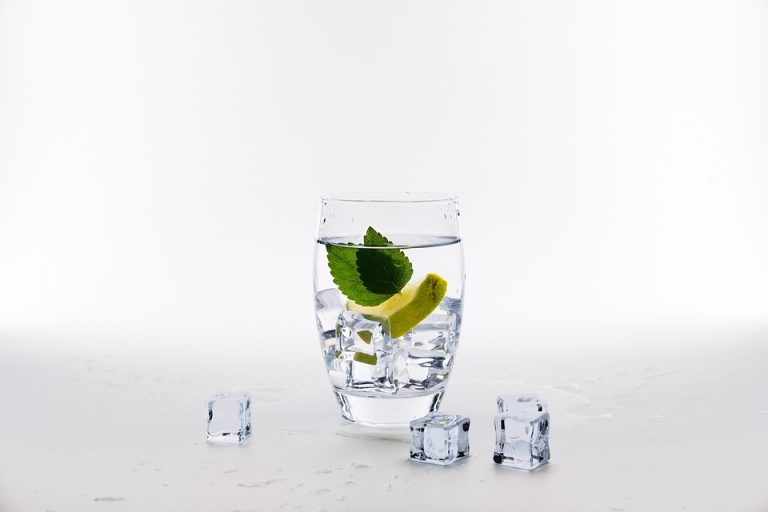
Myth #3: You Should Drink Eight Glasses of Water a Day
The Breakdown
You’ve probably heard the rule: drink eight 8-ounce glasses of water daily. But is this a one-size-fits-all solution?
The Truth
Hydration needs vary widely based on factors like age, activity level, and climate. According to the National Academies of Sciences, Engineering, and Medicine, men should aim for about 3.7 liters (or roughly 13 cups) of total water per day, while women should aim for about 2.7 liters (or roughly 9 cups) (Institute of Medicine, 2004).
Why It Matters
Overemphasizing a specific number can lead to unnecessary pressure and even health issues like overhydration. Instead, listen to your body. Drink when you’re thirsty and pay attention to signs of dehydration, such as dark urine or fatigue.
Practical Tip
Keep a reusable water bottle handy throughout the day. This not only helps you stay hydrated but also serves as a reminder to drink water regularly.
Myth #4: Eating Fat Makes You Fat
The Breakdown
For years, dietary fat was vilified in the world of nutrition. Many believed that eating fat would lead to weight gain. But is that really the case?
The Truth
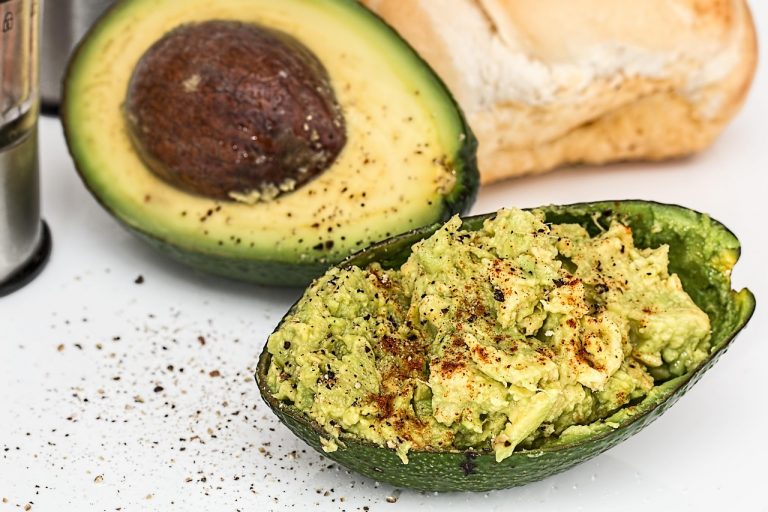
Not all fats are created equal. Healthy fats, such as those found in avocados, nuts, and olive oil, can actually support weight loss and heart health. A meta-analysis published in The American Journal of Clinical Nutrition found that higher fat diets can lead to greater weight loss compared to low-fat diets (Churuangsuk, 2018).
Why It Matters
Understanding the difference between healthy and unhealthy fats is crucial. Instead of cutting fat entirely, focus on incorporating healthy fats into your diet while reducing trans fats and saturated fats.
Practical Tip
Try adding a serving of healthy fat to your meals. A handful of nuts, a drizzle of olive oil, or some avocado can enhance the flavor and nutritional profile of your dishes.
Myth #5: Supplements Can Replace a Healthy Diet
The Breakdown
With the rise of the supplement industry, many people believe that popping a few pills can substitute for eating well. But is this a healthy mindset?
The Truth
While supplements can be beneficial in certain situations—like vitamin D during winter months—they should not replace a balanced diet. A study in the Journal of the American College of Nutrition found that whole foods provide a synergistic effect that supplements can’t replicate (Huang, 2018).
Why It Matters
Relying on supplements can lead to nutrient imbalances and missed opportunities to consume essential nutrients from whole foods.
Practical Tip
Aim to get your nutrients from a varied diet rich in fruits, vegetables, whole grains, and lean proteins. If you feel you need a supplement, consult a healthcare professional first.
Myth #6: You Can Spot-Reduce Fat
The Breakdown
Many people believe that doing endless crunches will help them lose belly fat. But is this a realistic expectation?
The Truth
Spot reduction is largely a myth. Fat loss occurs throughout the body as a result of overall weight loss, not just targeted exercises. A systematic review published in Sports Medicine found that there is no reliable evidence supporting the effectiveness of spot reduction (Schoenfeld, 2015).
Why It Matters
Focusing too much on specific areas can lead to frustration and disappointment. Instead, embrace a comprehensive fitness routine that includes both cardio and strength training to promote overall fat loss.
Practical Tip
Mix up your workouts! Incorporate strength training, cardio, and flexibility exercises to ensure a well-rounded fitness routine.
Conclusion: Knowledge is Power
Understanding the truth behind these health myths can empower you to make better choices for your well-being. It’s easy to get caught up in fads and misinformation, but with a little knowledge, you can navigate the health maze more confidently.
Remember, it’s always a good idea to consult with healthcare professionals when making significant changes to your diet or exercise routine. And as you go through your health journey, keep questioning and seeking the truth. After all, your health is worth it.
References
-
Churuangsuk, C. (2018). The effect of dietary fat on weight loss: A meta-analysis of randomized controlled trials. The American Journal of Clinical Nutrition. Retrieved from https://academic.oup.com/ajcn/article/108/3/525/5052239
-
Davis, B. (2015). The detox diet: A critical review of the evidence. Journal of Human Nutrition and Dietetics. Retrieved from https://onlinelibrary.wiley.com/doi/abs/10.1111/jhn.12323
-
Huang, T. (2018). Whole foods versus supplements: A nutritional perspective. Journal of the American College of Nutrition. Retrieved from https://www.tandfonline.com/doi/full/10.1080/07315724.2018.1536797
-
Institute of Medicine. (2004). Dietary Reference Intakes for Water, Potassium, Sodium, Chloride, and Sulfate. National Academies Press. Retrieved from https://www.ncbi.nlm.nih.gov/books/NBK114310/
-
Schoenfeld, B. J. (2015). The mechanisms of fat loss: A systematic review of the literature. Sports Medicine. Retrieved from https://link.springer.com/article/10.1007/s40279-015-0365-1
-
Slavin, J. L. (2013). Whole grains and human health. American Journal of Clinical Nutrition. Retrieved from https://academic.oup.com/ajcn/article/98/2/721S/4577037
Get Your FREE Natural Health Guide!
Subscribe now and receive our exclusive ebook packed with natural health tips, practical wellness advice, and easy lifestyle changes, delivered straight to your inbox.