Did you know that your gut health plays a crucial role in your overall well-being? In fact, around 70% of your immune system is housed in your gut. If you’ve been feeling sluggish, bloated, or just “off,” it might be time to give your gut some TLC. While modern medicine offers a plethora of solutions, many people are turning back to nature for relief. Let’s explore five herbal remedies that can help revitalize your gut health, supported by research and anecdotal evidence.

Contents
1. Ginger: The Digestive Dynamo
What It Is
Ginger has been used for centuries in traditional medicine, particularly in Asian cultures. This zesty root is not just a flavor enhancer; it’s also a powerhouse when it comes to digestive health.
Benefits
Ginger contains compounds called gingerols and shogaols, which have anti-inflammatory properties. Research has shown that ginger can help alleviate nausea, reduce bloating, and even improve gut motility (the movement of food through your digestive system) (Liu et al., 2016).
How to Use It
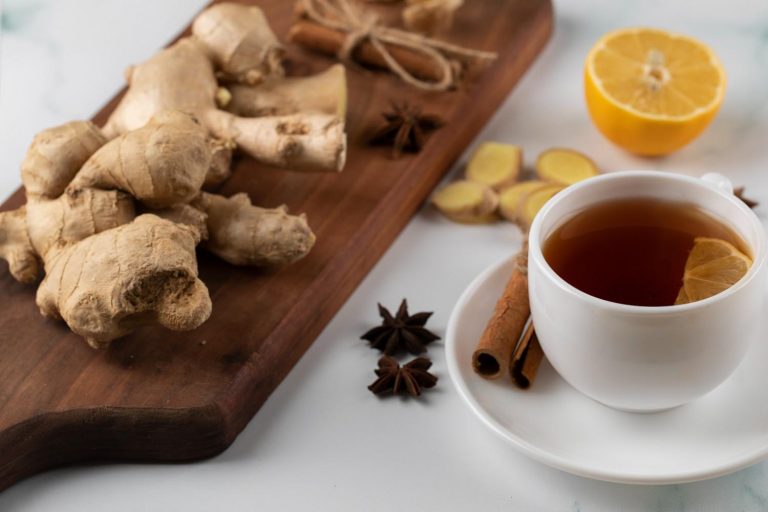
You can consume ginger in many forms—fresh, powdered, or as a tea. A simple way to incorporate it into your diet is by making ginger tea. Just steep fresh ginger slices in hot water for about 10 minutes. Add honey or lemon for flavor, and you’ve got a soothing drink that can kickstart digestion.
Caveats
While ginger is generally safe for most people, it can cause heartburn or stomach upset in some individuals. If you’re on blood-thinning medications, consult a healthcare provider before using ginger in large amounts.
2. Peppermint: The Cool Calm
What It Is
Peppermint isn’t just a refreshing flavor for gum or tea; it’s also a well-researched herb that can aid digestion.
Benefits
Studies suggest that peppermint oil can relax the muscles of the gastrointestinal tract, making it effective for alleviating symptoms of irritable bowel syndrome (IBS) and other digestive disorders (Cash et al., 2016). It can also help reduce bloating and gas, making your gut feel more comfortable.
How to Use It
Peppermint tea is an easy way to enjoy its benefits. You can also take enteric-coated peppermint oil capsules, which are designed to dissolve in the intestines rather than the stomach, maximizing their effectiveness.
Caveats
While peppermint is generally safe, it may exacerbate acid reflux in some people. If you notice increased discomfort after consuming peppermint, it’s best to cut back.
3. Turmeric: The Golden Spice
What It Is
Turmeric is often hailed as a superfood, and for good reason. Its active compound, curcumin, has potent anti-inflammatory and antioxidant properties.
Benefits
Research shows that curcumin can help with gut inflammation and may even play a role in preventing conditions like inflammatory bowel disease (IBD) (Tili et al., 2016). Additionally, turmeric can promote the growth of beneficial gut bacteria, which is crucial for maintaining a balanced microbiome.
How to Use It
Turmeric can be added to smoothies, soups, or even taken as a supplement. Golden milk—a mixture of turmeric, milk (or a milk alternative), and spices—is a delicious way to enjoy its benefits.
Caveats
Turmeric can interact with certain medications, particularly blood thinners and antacids. It’s also worth noting that curcumin is poorly absorbed on its own, so consider pairing it with black pepper to enhance bioavailability.
4. Fennel: The Flavorful Friend
What It Is
Fennel is a crunchy vegetable with a licorice-like flavor that’s often overlooked. However, it’s packed with benefits for gut health.
Benefits
Fennel seeds are known for their carminative properties, which means they can help relieve gas and bloating. Research indicates that fennel may also help soothe digestive issues and improve gut motility (Kumar et al., 2018).
How to Use It
You can chew on fennel seeds after meals to aid digestion or brew fennel tea by steeping the seeds in hot water. Fennel bulbs can also be roasted or added to salads for a fresh crunch.
Caveats
Fennel can cause allergic reactions in some individuals, especially those with allergies to celery or carrots. If you’re pregnant or breastfeeding, consult a healthcare provider before adding fennel supplements to your routine.
5. Chamomile: The Gentle Healer
What It Is
Chamomile is best known for its calming effects, but it also has a long history of use for digestive issues.
Benefits
Chamomile has anti-inflammatory and antispasmodic properties, making it effective for soothing an upset stomach and reducing symptoms like bloating and gas (McKay & Miller, 2004). Some studies even suggest that chamomile can help prevent diarrhea.
How to Use It
Chamomile tea is the most common way to use this herb. Simply steep chamomile flowers in hot water for about 5 minutes. You can enjoy it before bed to promote relaxation and digestion.
Caveats
Chamomile can cause allergic reactions in individuals allergic to plants in the Asteraceae family, such as ragweed. If you’re on blood-thinning medications, consult a healthcare provider before using chamomile.
FAQs
1. Can herbal remedies replace medication for gut health?
While herbal remedies can be effective for mild digestive issues, they shouldn’t replace prescribed medications without consulting a healthcare provider.
2. How long does it take to see results from herbal remedies?
The timeline can vary, but some people notice improvements within a few days to weeks. Consistency is key!
3. Are there any side effects to using these herbs?
Most of these herbs are safe for most people, but they can cause side effects in some individuals, especially when taken in large amounts. Always start with small doses.
4. Can I combine these herbs?
Yes, many people find that combining herbs can enhance their benefits. For instance, ginger and peppermint make a soothing tea together.
Conclusion
Revitalizing your gut health doesn’t have to be complicated or rely solely on pharmaceuticals. Incorporating herbs like ginger, peppermint, turmeric, fennel, and chamomile into your diet can offer a natural, effective way to support your digestive system. However, remember that everyone’s body is different. What works for one person might not work for another. So, take the time to listen to your body and consult with a healthcare professional if you have persistent issues.
Disclaimer: This article is for educational purposes only and is not a substitute for professional medical advice. Always consult a qualified healthcare provider before making changes to your health routine.
References
-
Cash, B. D., et al. (2016). “Peppermint oil for the treatment of irritable bowel syndrome: A systematic review and meta-analysis.” Digestive Diseases and Sciences. Retrieved from https://www.ncbi.nlm.nih.gov/pmc/articles/PMC4824534/
-
Liu, Y., et al. (2016). “Ginger: A potential herbal medicine for the treatment of nausea and vomiting.” Journal of Ethnopharmacology. Retrieved from https://www.sciencedirect.com/science/article/abs/pii/S0378874115303574
-
Tili, E., et al. (2016). “Curcumin: A Review of Its Effects on Inflammatory Bowel Disease.” Molecules. Retrieved from https://www.mdpi.com/1420-3049/21/2/236
-
McKay, D. L., & Miller, A. L. (2004). “Chamomile: A herbal medicine of the past with a bright future.” Phytotherapy Research. Retrieved from https://onlinelibrary.wiley.com/doi/abs/10.1002/ptr.1515
-
Kumar, A., et al. (2018). “Fennel: A review of its therapeutic potential.” Journal of Ethnopharmacology. Retrieved from https://www.sciencedirect.com/science/article/abs/pii/S0378874118304299
Get Your FREE Natural Health Guide!
Subscribe now and receive our exclusive ebook packed with natural health tips, practical wellness advice, and easy lifestyle changes, delivered straight to your inbox.