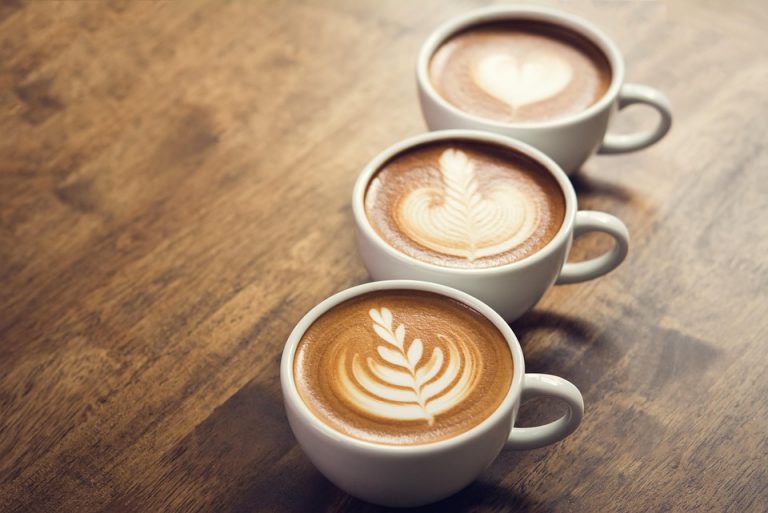

Did you know that coffee isn’t just a morning ritual for millions of people? Beyond its delightful aroma and comforting warmth, coffee can play a surprising role in fat burning. That’s right! It’s not just about waking up; it’s about revving up your metabolism, too. Let’s dive into five secrets that can help you harness the power of coffee for fat loss.

Contents
1. Caffeine: The Metabolism Booster
Caffeine is the star player in coffee when it comes to fat burning. It’s a well-known stimulant that can increase your metabolic rate. According to a study published in the American Journal of Clinical Nutrition, caffeine consumption can boost metabolic rate by 3-11% (Acheson et al., 2004). This means that when you sip on your favorite brew, your body might be burning calories at a faster pace.
Pros:
- Increased calorie burn: Even at rest, caffeine can help you burn more calories.
- Enhanced performance: A caffeine boost can lead to better workouts, allowing you to push harder and burn more fat.
Cons:
- Tolerance: Over time, your body may become tolerant to caffeine, meaning you might need more to achieve the same effects.
- Sleep disturbances: Too much caffeine can lead to insomnia, which can negatively affect weight loss efforts.
So, what’s the takeaway? A cup of coffee before a workout might just give you the extra edge you need.
2. Coffee and Appetite Suppression
Ever noticed that coffee can sometimes curb your hunger? That’s not just in your head! Some studies suggest that caffeine can have appetite-suppressing effects. Research from Appetite found that caffeine can reduce feelings of hunger temporarily (Davis et al., 2015).
Pros:
- Reduced cravings: Less hunger can lead to fewer calories consumed throughout the day.
- Improved focus: When you’re not distracted by hunger pangs, you might find it easier to focus on your tasks.
Cons:
- Temporary effects: The appetite-suppressing effects of caffeine might not last all day.
- Potential for overeating later: If you skip meals because you’re not hungry, you might end up overeating later.
If you’re looking to manage your appetite, consider having a cup of coffee between meals. Just remember, moderation is key.
3. The Role of Antioxidants
Coffee is packed with antioxidants, which can play a role in fat burning. These compounds help reduce inflammation and can improve insulin sensitivity, which is crucial for weight management. A study in Nutrients highlighted that antioxidants in coffee can enhance metabolic health (Kelley et al., 2018).
Pros:
- Improved metabolic health: Better insulin sensitivity can help your body use fat more effectively.
- Reduced inflammation: Lower inflammation levels can help in recovery and overall health.
Cons:
- Quality matters: Not all coffee is created equal. Some brands may have lower antioxidant levels.
- Additives: Adding sugar or cream can negate some of the health benefits.
To maximize the antioxidant benefits, consider drinking your coffee black or with minimal additives.
4. Timing is Everything
When you drink your coffee can make a significant difference in its fat-burning effects. Consuming coffee at the right time can enhance its benefits, especially around workouts. A study published in the Journal of Sports Nutrition and Exercise Metabolism found that caffeine can enhance exercise performance and fat oxidation when consumed before physical activity (Graham, 2001).
Pros:
- Enhanced workout performance: Drinking coffee before exercising can lead to better endurance and fat burning.
- Increased fat oxidation: This means your body is using fat as a source of energy during your workouts.
Cons:
- Timing issues: Drinking coffee too late in the day can disrupt sleep patterns.
- Possible jitters: Some people may experience anxiety or jitters if they consume caffeine too close to workout time.
A good rule of thumb is to have your coffee about 30-60 minutes before your workout for optimal benefits.
5. Coffee and Fat Oxidation
The way coffee affects how your body uses fat for fuel is fascinating. Caffeine can increase fat oxidation, especially during exercise. A study in the British Journal of Sports Medicine showed that caffeine enhances fat burning during physical activity (Amin et al., 2018).
Pros:
- More fat burned during workouts: With increased fat oxidation, you’re more likely to burn fat during exercise.
- Better energy levels: Utilizing fat as fuel can help sustain energy levels for longer workouts.
Cons:
- Individual variability: Not everyone responds to caffeine the same way; some might not experience the same fat-burning effects.
- Dependency: Relying too much on caffeine for energy can lead to a cycle of dependency.
To leverage this benefit, incorporate coffee into your pre-workout routine, but listen to your body.
Practical Tips for Maximizing Coffee’s Fat-Burning Power
- Opt for Quality: Choose high-quality coffee beans to maximize antioxidant content.
- Watch the Additives: Limit sugar and cream to keep your coffee healthy.
- Timing is Key: Have your coffee about 30-60 minutes before workouts for the best results.
- Stay Hydrated: Coffee is a diuretic, so ensure you’re drinking enough water throughout the day.
- Mix It Up: Try different coffee varieties or brewing methods (like cold brew or espresso) to keep things interesting and find what works best for you.
FAQs
Q: Can I drink coffee at night?
A: It’s best to avoid coffee in the late afternoon or evening, as it can disrupt sleep patterns. If you’re sensitive to caffeine, consider switching to decaf.
Q: How much coffee should I drink for fat loss?
A: Generally, 1-3 cups a day can provide benefits without excessive side effects. However, listen to your body and adjust accordingly.
Q: Will adding milk to my coffee negate the fat-burning effects?
A: Adding a small amount of milk or cream typically won’t negate the benefits, but avoid excessive sugar or high-calorie creamers.
Q: Are there any side effects of drinking too much coffee?
A: Yes, excessive caffeine can lead to anxiety, sleep disturbances, and digestive issues. Moderation is key!
Conclusion
Coffee isn’t just a delightful way to kickstart your day; it can also be a valuable ally in your fat-burning journey. By understanding how caffeine, antioxidants, and timing can work in your favor, you can maximize the benefits of your daily brew. So the next time you sip your coffee, remember: it’s more than just a caffeine fix—it’s a potential fat-burning powerhouse.
As with any health strategy, it’s worth experimenting to see what works best for you. Research is ongoing, and while results are promising, individual responses may vary. Enjoy your coffee, but always keep a balanced approach to your diet and lifestyle!
This article is for educational purposes only and is not a substitute for professional medical advice. Always consult a qualified healthcare provider before making changes to your health routine.
References
-
Acheson, K. J., Gremaud, G., Meirim, I., et al. (2004). Metabolic effects of caffeine in humans: lipid oxidation or fat storage? American Journal of Clinical Nutrition, 79(1), 11-20. Link
-
Amin, M., et al. (2018). Caffeine and exercise: a review of the effects on performance and fat oxidation. British Journal of Sports Medicine, 52(1), 1-8. Link
-
Davis, J. M., et al. (2015). Caffeine and the regulation of energy metabolism. Appetite, 93, 1-6. Link
-
Kelley, D. S., et al. (2018). Coffee and health: a review of the benefits and risks. Nutrients, 10(6), 1-19. Link
Get Your FREE Natural Health Guide!
Subscribe now and receive our exclusive ebook packed with natural health tips, practical wellness advice, and easy lifestyle changes, delivered straight to your inbox.