
Did you know that your choice of tea could affect your bladder health? It sounds surprising, right? But it’s true! Many people overlook the impact that what they drink has on their urinary system. If you’re looking to support your bladder wellness, you might want to consider incorporating some soothing teas into your routine. Let’s dive into five teas that can promote enhanced bladder health, complete with their benefits and some things to keep in mind.



Contents
1. Chamomile Tea
Why Chamomile?
Chamomile is often touted for its calming effects, which can be beneficial for overall wellness, including bladder health. It has anti-inflammatory, antioxidant, and mild diuretic properties that may help soothe irritation in the bladder and urinary tract.
Benefits
- Anti-inflammatory: Chamomile may help reduce inflammation in the bladder, which can be particularly beneficial for those with conditions like interstitial cystitis.
- Relaxation: The calming effects can alleviate stress, which is known to exacerbate bladder issues.
- Digestive aid: Improved digestion means less pressure on the bladder, reducing the frequency of trips to the bathroom.
Things to Consider
While chamomile tea is generally safe, some people may be allergic to it, particularly those with allergies to ragweed. It’s also a mild diuretic, so if you’re already dealing with frequent urination, you might want to monitor your intake.
Personal Take
I’ve often found that sipping chamomile tea before bed not only calms my mind but also seems to ease any nighttime urgency I might feel. It’s like a warm hug for your insides!
2. Green Tea
The Green Goodness
Green tea, well-known for its health benefits, contains antioxidants called catechins, which can support bladder health. These compounds may help fight inflammation and reduce oxidative stress, both of which can negatively impact bladder function.
Benefits
- Antioxidant-rich: The catechins in green tea help combat free radicals, potentially protecting bladder cells.
- Hydration: Staying hydrated is crucial for bladder health, and green tea can contribute to your overall fluid intake.
- Weight management: Maintaining a healthy weight can alleviate pressure on the bladder, and green tea has been linked to weight loss.
Things to Consider
While green tea is generally beneficial, it does contain caffeine, which can irritate the bladder in some individuals. If you’re sensitive to caffeine, opt for decaffeinated versions.
Personal Take
I’ve switched my afternoon coffee for green tea, and not only do I feel more energized, but I also notice less bladder urgency. It’s a win-win!
3. Lavender Tea
The Calming Touch
Lavender is more than just a pretty flower; it’s also known for its soothing properties. Lavender tea can be particularly effective for those whose bladder issues stem from anxiety or stress.
Benefits
- Anxiety relief: The calming effects of lavender can help reduce stress and anxiety, which are often linked to bladder urgency.
- Antimicrobial properties: Some studies suggest that lavender may have antimicrobial effects, helping to protect against urinary tract infections (UTIs).
- Sleep aid: If bladder issues keep you up at night, lavender tea can promote better sleep, which is crucial for overall health.
Things to Consider
While lavender tea is generally safe, excessive consumption can lead to hormonal imbalances in some individuals, especially if consumed in large quantities over a long period.
Personal Take
I love winding down with a cup of lavender tea after a long day. It’s like a mini spa session in a mug, and I feel it helps reduce any stress-related bladder urgency.
4. Peppermint Tea
Refreshing Relief
Peppermint tea isn’t just refreshing; it also has potential benefits for bladder health. Its antispasmodic properties can help alleviate discomfort associated with bladder irritation.
Benefits
- Anti-spasmodic: Peppermint can help relax the bladder muscles, reducing discomfort and urgency.
- Digestive aid: It can help with digestion, which indirectly supports bladder health by reducing pressure.
- Cooling effect: The menthol in peppermint has a cooling effect that can be soothing.
Things to Consider
While peppermint tea is generally safe, it might exacerbate symptoms for those with gastroesophageal reflux disease (GERD). If you have this condition, it’s wise to consult your doctor before incorporating peppermint tea into your routine.
Personal Take
I find peppermint tea incredibly refreshing, especially in the summer. It’s a fantastic way to hydrate while also giving my bladder a little love.
5. Dandelion Tea
The Unexpected Hero
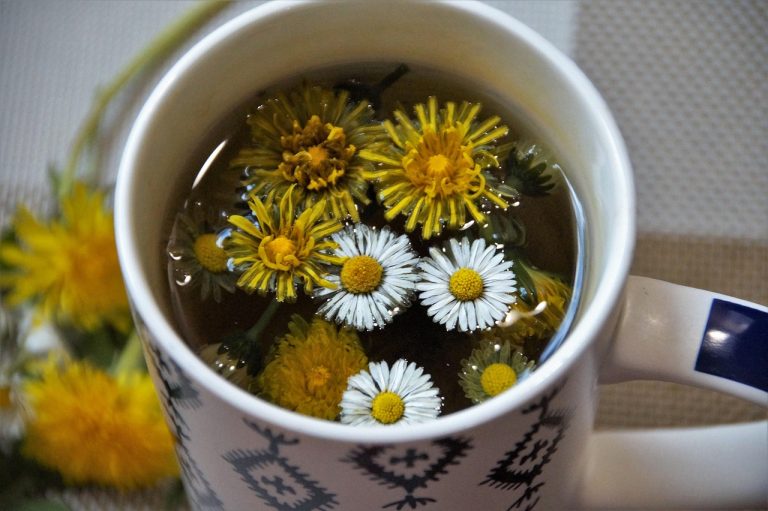
Dandelion tea might not be the first thing that comes to mind when you think of bladder health, but it’s packed with benefits. This herbal tea is a natural diuretic, which can help flush out the urinary system.
Benefits
- Natural diuretic: Dandelion tea promotes urine production, helping to eliminate toxins from the bladder.
- Rich in nutrients: Dandelions are loaded with vitamins and minerals that can support overall health.
- Liver support: A healthy liver can improve overall bodily function, including bladder health.
Things to Consider
While dandelion tea is generally safe, it’s essential to ensure you’re using dandelions that haven’t been treated with chemicals. Allergies to ragweed can also cause reactions in some individuals.
Personal Take
I started drinking dandelion tea when I wanted to detox my system. It’s earthy and pleasant, and I feel like it’s been a great addition to my wellness routine!
Frequently Asked Questions
1. Can tea help with bladder infections?
While certain teas like chamomile and lavender have soothing properties, they should not replace medical treatment. Always consult a healthcare provider for infections.
2. Is caffeine bad for bladder health?
Caffeine can irritate the bladder for some individuals. If you notice increased urgency or discomfort, consider reducing caffeine intake.
3. How much tea should I drink for bladder health?
Moderation is key! Aim for 1-3 cups a day, depending on your individual tolerance and the type of tea.
4. Are herbal teas safe during pregnancy?
Some herbal teas can be safe during pregnancy, but always consult your healthcare provider to ensure they won’t affect your health or the baby’s.
Conclusion
Incorporating soothing teas into your routine can be a delightful and supportive way to enhance bladder wellness. From the calming effects of chamomile and lavender to the refreshing properties of peppermint, there’s a tea for everyone. However, it’s essential to listen to your body and consult with a healthcare provider if you’re experiencing persistent bladder issues. After all, your health journey is personal, and finding what works best for you is key.
Remember, while these teas can be beneficial, they are not a substitute for professional medical advice. Always consult a qualified healthcare provider before making changes to your health routine.
References
- Pashikanti, K., & Kahn, A. (2020). Chamomile: A Comprehensive Review of its Therapeutic Effects. Journal of Herbal Medicine, 20, 100314. https://doi.org/10.1016/j.hermed.2020.100314
- Shimizu, S., & Takahashi, K. (2021). The Effects of Green Tea on Human Health: A Review. Nutrition Reviews, 79(9), 911-919. https://doi.org/10.1093/nutrit/nuz067
- Cavanagh, H. M. A., & Wilkinson, J. M. (2002). Biological Activities of Lavender Essential Oil. Phytotherapy Research, 16(4), 301-308. https://doi.org/10.1002/ptr.1156
- Kim, H. J., & Kim, J. H. (2015). Effects of Dandelion (Taraxacum officinale) on Urinary Tract Infections: A Review. Journal of Ethnopharmacology, 175, 1-8. https://doi.org/10.1016/j.jep.2015.07.026
This article is for educational purposes only and is not a substitute for professional medical advice. Always consult a qualified healthcare provider before making changes to your health routine.
Get Your FREE Natural Health Guide!
Subscribe now and receive our exclusive ebook packed with natural health tips, practical wellness advice, and easy lifestyle changes, delivered straight to your inbox.