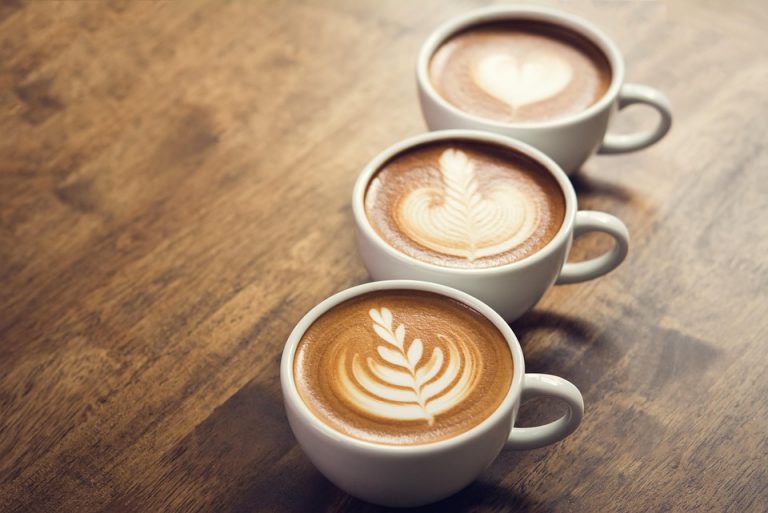

Did you know that coffee might not just be your morning wake-up call but also a secret ally in your quest for a faster metabolism? Let’s face it: most of us rely on that cup (or three) of joe to kickstart our day, but what if it could do more than just keep us awake? As someone who’s been on a bit of a health kick lately, I’ve stumbled upon some intriguing coffee hacks that might just help you burn a few more calories throughout the day. Whether you’re a casual drinker or a die-hard coffee lover, these tips can add a little zing to your routine and potentially rev up your metabolism.

Contents
1. Choose Quality Coffee Beans
Why It Matters
Not all coffee beans are created equal. The type and quality of your coffee can significantly influence its metabolic benefits. High-quality, organic coffee tends to have more antioxidants and beneficial compounds. These compounds can help fight inflammation and may even assist in weight management.
Pros and Cons
Pros:
- Increased Antioxidants: Higher-quality beans are often richer in antioxidants, which can help combat oxidative stress in your body.
- Better Flavor: Honestly, who doesn’t want a delicious cup of coffee?
Cons:
- Cost: Quality coffee can be pricier. But hey, isn’t your health worth it?
- Availability: Depending on where you live, it might be tough to find organic options.
How to Do It
Look for brands that specify their beans are organic and sustainably sourced. You can also try local coffee roasters who take pride in their product. A quick Google search can help you find some gems in your area.
2. Add Healthy Fats
The Science Behind It
Adding healthy fats to your coffee can help stabilize blood sugar levels and keep you feeling full longer. This can prevent those pesky cravings that often lead to snacking—and we all know how that can derail our metabolism.
Pros and Cons
Pros:
- Satiety: Healthy fats can help you feel fuller for longer, reducing the temptation to snack.
- Flavor Boost: Think butter coffee or coconut oil coffee—delicious!
Cons:
- Caloric Density: Yes, healthy fats are calorie-dense. So, moderation is key.
- Taste: Not everyone is a fan of the taste of butter or oil in their coffee.
How to Do It
Try adding a teaspoon of coconut oil or a pat of grass-fed butter to your morning brew. Blend it up for a frothy, creamy experience. If you’re feeling adventurous, you can even add a sprinkle of cinnamon for an extra metabolism boost.
3. Experiment with Cold Brew
Why Cold Brew?
Cold brew coffee is not just a refreshing alternative; it also packs a punch when it comes to caffeine content. The brewing method extracts caffeine more effectively, which can temporarily boost your metabolism.
Pros and Cons
Pros:
- Higher Caffeine Content: Cold brew often has more caffeine than regular coffee, which can enhance thermogenesis (the body’s production of heat).
- Less Acidic: Great for those with sensitive stomachs.
Cons:
- Preparation Time: It takes longer to brew—usually 12 to 24 hours.
- Taste Preference: Cold brew has a different flavor profile that might not appeal to everyone.
How to Do It
To make your own cold brew, coarsely grind your coffee beans and steep them in cold water for 12-24 hours. Strain the mixture and enjoy! You can add your favorite milk or sweetener, but try to keep it minimal for the best metabolic benefits.
4. Spice It Up
The Role of Spices
Adding spices like cinnamon, cayenne pepper, or ginger can enhance the flavor of your coffee while also providing additional metabolism-boosting benefits. These spices can help increase thermogenesis and improve digestion.
Pros and Cons
Pros:
- Flavor Variety: Spices can add exciting flavors to your coffee.
- Health Benefits: Many spices have their own health benefits, such as anti-inflammatory properties.
Cons:
- Taste Sensitivity: Some people might not enjoy the combination of spices in their coffee.
- Potential Allergies: Always be cautious if you’re trying a new spice for the first time.
How to Do It
Sprinkle a little cinnamon or cayenne pepper into your coffee grounds before brewing, or add a dash of ginger powder to your cup. Experiment to find the right balance that works for you!
5. Timing is Everything
Metabolism and Timing
When you consume coffee can also impact its metabolism-boosting effects. Drinking coffee at strategic times can help optimize its benefits. For instance, consuming coffee before a workout can enhance fat oxidation and improve performance.
Pros and Cons
Pros:
- Enhanced Workout Performance: A caffeine boost can lead to more intense workouts, which in turn can help with weight management.
- Increased Fat Burn: Caffeine can help your body use fat as fuel during exercise.
Cons:
- Sleep Disruption: Be careful not to drink coffee too close to bedtime, or you might find yourself counting sheep instead of getting some restful z’s.
- Tolerance Build-Up: Regular caffeine consumption can lead to tolerance, reducing its effectiveness over time.
How to Do It
Try having a cup of coffee about 30 minutes before your workout. This will give the caffeine time to kick in, helping you push through that last set or sprint.
FAQs
1. Does coffee really boost metabolism?
Yes, coffee can enhance your metabolism due to its caffeine content, which may increase thermogenesis and fat oxidation.
2. Can I drink coffee if I’m sensitive to caffeine?
If you’re sensitive to caffeine, consider trying decaf coffee, which still contains some beneficial compounds without as much caffeine.
3. How much coffee should I drink for metabolic benefits?
Moderation is key. Generally, 2-4 cups of coffee per day can be beneficial, but always listen to your body.
4. Are there any downsides to drinking coffee?
Excessive coffee consumption can lead to insomnia, jitteriness, and digestive issues. It’s best to find a balance that works for you.
Conclusion
Incorporating these coffee hacks into your routine can not only enhance your daily ritual but also potentially give your metabolism a little extra push. Remember, the key is to enjoy your coffee while being mindful of how it affects your body. Everyone is different, so what works for one person might not work for another. As with any health-related strategy, it’s essential to listen to your body and consult a healthcare professional if you have concerns.
So, the next time you sip your morning brew, think about how you can make it work a little harder for you. Cheers to good coffee and good health!
References
-
Haskell, C. F., & Kennedy, D. O. (2021). The Effects of Caffeine on Metabolism: A Review. Nutrients, 13(6), 2135. https://doi.org/10.3390/nu13062135
-
Mayo Clinic. (n.d.). Caffeine: How much is too much? Retrieved from https://www.mayoclinic.org/healthy-lifestyle/nutrition-and-healthy-eating/expert-answers/caffeine/faq-20058054
-
Harvard Health Publishing. (2019). Is coffee good for you? Retrieved from https://www.health.harvard.edu/staying-healthy/is-coffee-good-for-you
This article is for educational purposes only and is not a substitute for professional medical advice. Always consult a qualified healthcare provider before making changes to your health routine.
Get Your FREE Natural Health Guide!
Subscribe now and receive our exclusive ebook packed with natural health tips, practical wellness advice, and easy lifestyle changes, delivered straight to your inbox.