Did you know that your pancreas plays a crucial role in not just digestion, but also in regulating blood sugar levels? If you’re like most people, you probably don’t think about this vital organ until something goes wrong. But what if I told you that certain superfoods can help keep your pancreas in tip-top shape? Let’s dive into five powerhouse foods that may help support your pancreas health.
Contents
The Role of the Pancreas
Before we jump into the superfoods, it’s essential to understand what the pancreas does. This small organ, located behind the stomach, produces enzymes that help digest food and hormones like insulin, which regulates blood sugar. When the pancreas isn’t functioning properly, it can lead to conditions like diabetes or pancreatitis. So, keeping it healthy is a big deal!
1. Blueberries: Tiny Powerhouses
Benefits
Blueberries are more than just a delicious snack; they’re packed with antioxidants, particularly anthocyanins, which have anti-inflammatory properties. Research suggests that these compounds can help reduce oxidative stress on the pancreas, potentially lowering the risk of insulin resistance.
How to Incorporate
You can toss blueberries into your morning oatmeal, blend them into smoothies, or enjoy them fresh as a snack. They’re versatile and easy to add to your diet.
Caveats
While blueberries are generally safe for most people, they can be high in sugar. If you’re managing diabetes or blood sugar levels, moderation is key.
Fun Fact
Did you know that blueberries are often referred to as “brain berries” due to their potential cognitive benefits? So, you get a double whammy for your health!
2. Leafy Greens: The Unsung Heroes
Benefits
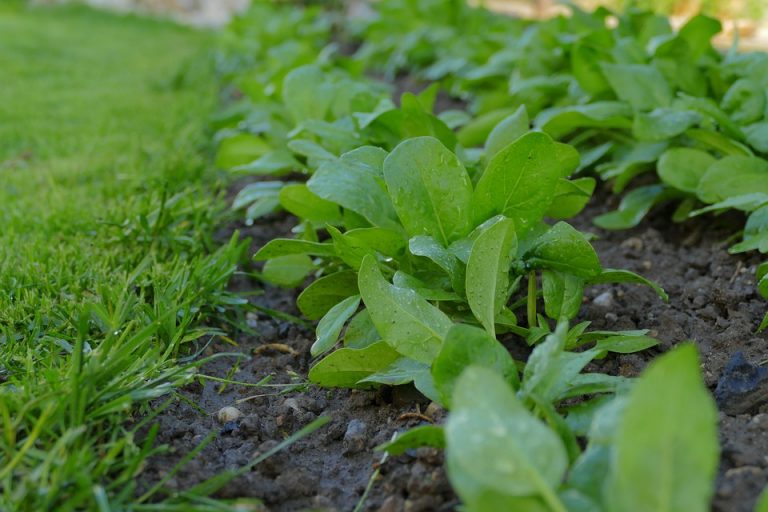
Spinach, kale, and other leafy greens are rich in vitamins A, C, and K, along with minerals like magnesium. These nutrients help reduce inflammation and improve insulin sensitivity, making them excellent for pancreas health.
How to Incorporate
You can add leafy greens to salads, smoothies, or even soups. A simple green smoothie with spinach, banana, and almond milk can be a refreshing way to get your daily dose.
Caveats
Some people may experience digestive discomfort from raw leafy greens. Cooking them can make them easier to digest while still retaining most of their nutrients.
Personal Touch
I’ve found that incorporating greens into my diet has made me feel more energetic. It’s like giving my body a little boost of vitality!
3. Fatty Fish: Omega-3 Rich Delights
Benefits
Fatty fish, like salmon and mackerel, are loaded with omega-3 fatty acids, which have been shown to reduce inflammation. A study published in the Journal of Nutritional Biochemistry found that omega-3s can help improve pancreatic function and lower the risk of pancreatic diseases (Kwak, 2019).
How to Incorporate
Grill or bake fatty fish for a delicious dinner option. You can also add canned sardines to salads or pasta dishes for a quick meal.
Caveats
Not everyone is a fan of fish, and some may have allergies. If that’s the case, consider omega-3 supplements after consulting with your healthcare provider.
A Little Humor
Let’s be real: if you’re not a fish person, the thought of eating salmon might make you cringe. But trust me, a good marinade can work wonders!
4. Avocado: Creamy and Nutritious
Benefits
Avocados are rich in healthy monounsaturated fats, fiber, and various vitamins. They help improve insulin sensitivity and provide healthy fats that can protect the pancreas from inflammation.
How to Incorporate
Spread avocado on your toast, toss it into salads, or blend it into smoothies for a creamy texture. The possibilities are endless!
Caveats
While avocados are healthy, they’re also calorie-dense, so portion control is key if you’re watching your weight.
Personal Anecdote
I love adding avocado to my breakfast. It’s not only delicious but also keeps me full until lunchtime!
5. Turmeric: The Golden Spice
Benefits
Turmeric contains curcumin, which has powerful anti-inflammatory and antioxidant properties. Some studies suggest that curcumin may protect the pancreas and improve insulin sensitivity (Sinha et al., 2019).
How to Incorporate
Add turmeric to your cooking, whether in curries, soups, or even smoothies. You can also drink turmeric tea for a warming, health-boosting beverage.
Caveats
Curcumin is not easily absorbed by the body. Pairing it with black pepper can enhance absorption significantly. Also, consult with your doctor if you’re on blood thinners, as it may interact with certain medications.
A Quick Tip
If you’re new to turmeric, start with small amounts. It has a strong flavor that can take some getting used to!
FAQs
1. Can I eat these foods every day?
Absolutely! Many of these superfoods can be enjoyed daily, but it’s essential to maintain a balanced diet.
2. Are there any side effects?
While these foods are generally safe, some individuals may experience digestive issues or allergies. Always listen to your body.
3. Can these foods cure pancreatic diseases?
No, these foods can support pancreas health but are not a substitute for medical treatment. Always consult your healthcare provider.
4. How can I make these foods more enjoyable?
Experiment with different recipes and cooking methods! From smoothies to salads, finding what you love is key to sticking with a healthy diet.
Conclusion
Taking care of your pancreas is crucial for overall health, and incorporating these superfoods can be a delicious and effective way to do just that. As we’ve explored, blueberries, leafy greens, fatty fish, avocados, and turmeric each offer unique benefits that can support pancreas function and reduce inflammation.
Remember, while these foods can help, they’re just one part of a healthy lifestyle. Regular exercise, adequate hydration, and routine check-ups are equally important.
So, why not start today? Try adding one or more of these superfoods to your meals this week. Your pancreas (and taste buds) will thank you!
Disclaimer: This article is for educational purposes only and is not a substitute for professional medical advice. Always consult a qualified healthcare provider before making changes to your health routine.
References
-
Kwak, S. Y. (2019). Omega-3 fatty acids and pancreatic function. Journal of Nutritional Biochemistry. Retrieved from https://www.sciencedirect.com/science/article/pii/S0955286319300493
-
Sinha, S., Ranjan, R., & Ranjan, S. (2019). Curcumin: A potential therapeutic agent for pancreatic diseases. Journal of Clinical Medicine. Retrieved from https://www.mdpi.com/2077-0383/8/9/1410
-
Mayo Clinic. (n.d.). Pancreatitis. Retrieved from https://www.mayoclinic.org/diseases-conditions/pancreatitis/symptoms-causes/syc-20309313
-
Harvard Health. (n.d.). The benefits of omega-3 fatty acids. Retrieved from https://www.health.harvard.edu/staying-healthy/the-benefits-of-omega-3-fatty-acids
Get Your FREE Natural Health Guide!
Subscribe now and receive our exclusive ebook packed with natural health tips, practical wellness advice, and easy lifestyle changes, delivered straight to your inbox.