
Ever felt that nagging muscle pain after a long day? We’ve all been there. You know the feeling—tightness, soreness, and that overwhelming desire to just sit down and do nothing. But what if I told you that a simple kitchen ingredient could help? Enter ginger, the spicy root that’s not just for your favorite stir-fry or cup of tea. It’s been used for centuries in various cultures for its medicinal properties. Let’s dive into how you can create a ginger compress for muscle pain relief in just five simple steps.

Contents
Why Ginger?
Before we get into the nitty-gritty of creating a ginger compress, let’s talk about why ginger is worth your time. Ginger contains compounds called gingerols and shogaols, which have anti-inflammatory properties. Research indicates that these compounds can help alleviate pain and inflammation, making ginger a natural choice for muscle soreness (Zhang et al., 2015). So, if you’re looking for a natural remedy, ginger is a solid contender.
Step 1: Gather Your Ingredients
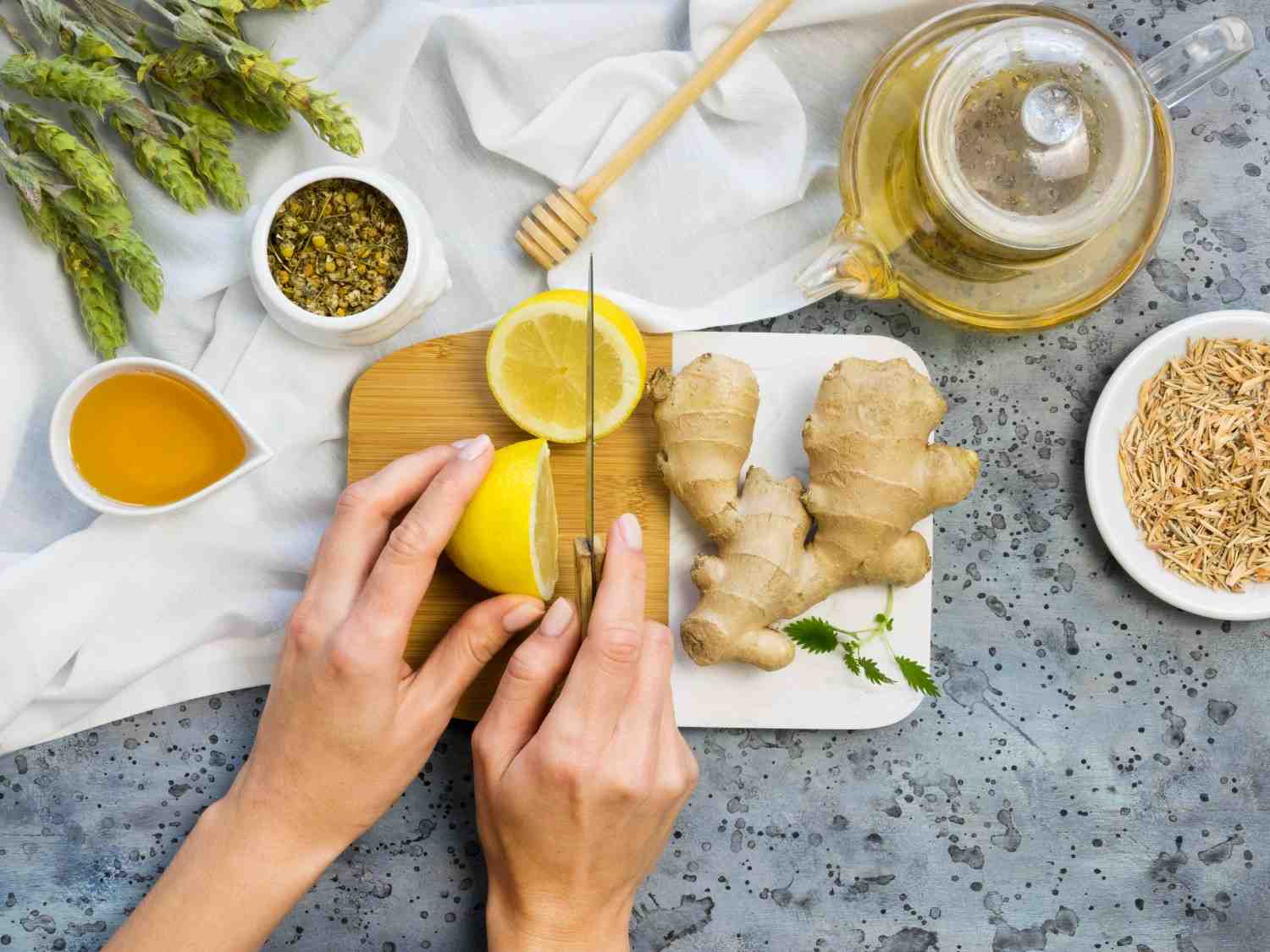
To create your ginger compress, you’ll need:
- Fresh ginger root (about 2-3 inches)
- Water (2 cups)
- A clean cloth or towel
- A bowl
- A grater or food processor
- Optional: essential oils (like eucalyptus or peppermint) for added benefits
Why Fresh Ginger?
While you might find powdered ginger in your spice cabinet, fresh ginger is more potent and has higher concentrations of beneficial compounds. Plus, the aroma of fresh ginger is undeniably uplifting!
Step 2: Prepare the Ginger
Now that you’ve got your fresh ginger, it’s time to prepare it. Here’s how:
- Peel the Ginger: Use a vegetable peeler or the edge of a spoon to remove the skin.
- Grate or Process: Grate the ginger using a microplane, or chop it into small pieces if you don’t have one. If you’re using a food processor, pulse it until it’s finely chopped.
Pro Tip
For an extra kick, try adding a few drops of essential oils to the grated ginger. Eucalyptus oil, for example, can enhance the anti-inflammatory effects and provide a refreshing scent.
Step 3: Create the Ginger Infusion
Now that your ginger is ready, it’s time to make the infusion. Here’s what you need to do:
- Boil Water: In a saucepan, bring 2 cups of water to a boil.
- Add Ginger: Once the water is boiling, add your grated ginger.
- Simmer: Reduce the heat and let it simmer for about 10-15 minutes. This allows the beneficial compounds to seep into the water.
Why Simmer?
Simmering helps extract the maximum amount of ginger’s active compounds. The longer you let it sit, the more potent your infusion will be.
Step 4: Strain the Ginger
After simmering, it’s time to strain your ginger infusion:
- Strain: Use a fine mesh strainer or cheesecloth to separate the ginger pieces from the liquid.
- Cool Down: Let the liquid cool to a comfortable temperature. You don’t want to burn your skin!
Caution
Always test the temperature of the infusion before applying it to your skin. A good rule of thumb is to dip your wrist into the liquid; it should feel warm but not hot.
Step 5: Apply the Compress
Now comes the fun part—applying your ginger compress!
- Soak the Cloth: Dip a clean cloth or towel into the ginger infusion.
- Wring Out Excess: Make sure it’s not dripping wet; you want it damp, not soggy.
- Apply to the Affected Area: Place the compress on the sore muscle and leave it on for about 15-30 minutes. You can even cover it with a plastic wrap to keep it warm longer.
Bonus Tip
For added heat, you can place a warm water bottle over the compress. The combination of warmth and ginger’s anti-inflammatory properties can significantly enhance your relief.
The Benefits of Ginger Compresses
Now that you know how to make a ginger compress, let’s explore some of the benefits:
- Natural Pain Relief: As mentioned earlier, ginger is known for its anti-inflammatory properties. It can help reduce pain and swelling in sore muscles.
- Improved Circulation: The warmth from the compress can help improve blood flow to the affected area, promoting healing.
- Easy to Make: You don’t need to be a DIY expert; this is a simple, straightforward process that anyone can do.
- Cost-Effective: Instead of spending money on over-the-counter pain relief, you can make this at home for a fraction of the cost.
What to Keep in Mind
While ginger is generally safe for most people, there are a few caveats:
- Skin Sensitivity: Some individuals may experience skin irritation. If you notice any redness or discomfort, remove the compress immediately.
- Health Conditions: If you’re pregnant, nursing, or have certain medical conditions, consult your healthcare provider before using ginger as a remedy.
- Not a Substitute: Remember, this compress isn’t a magic fix. If your pain persists, it’s essential to consult a medical professional.
FAQs
1. How often can I use a ginger compress?
You can use a ginger compress 1-2 times a day, depending on your comfort level and the severity of your muscle pain.
2. Can I use dried ginger instead of fresh ginger?
While dried ginger can be used, fresh ginger is more potent and effective for this purpose. If you must use dried ginger, make sure to adjust the quantity, as it’s more concentrated.
3. How long should I leave the compress on?
Aim for 15-30 minutes. You can check your comfort level and remove it earlier if necessary.
4. Is there a risk of allergic reaction?
Although rare, some people may be allergic to ginger. It’s best to do a patch test on a small area of skin before applying the compress to a larger area.
Conclusion
Creating a ginger compress for muscle pain relief is not only simple but also an effective way to harness the natural healing properties of ginger. Whether you’re dealing with soreness from a workout, tension from stress, or just the everyday aches and pains of life, this little DIY remedy might just do the trick.
Remember, while ginger can offer relief, it’s not a substitute for professional medical advice. If your pain persists or worsens, don’t hesitate to reach out to a healthcare provider. So, the next time you find yourself reaching for painkillers, why not give this natural remedy a shot? Your muscles might just thank you!
Disclaimer: This article is for educational purposes only and is not a substitute for professional medical advice. Always consult a qualified healthcare provider before making changes to your health routine.
References
-
Zhang, Q., Wang, Z., Wang, Y., Wang, Y., & Wang, Q. (2015). The effectiveness of ginger for the treatment of pain: a systematic review and meta-analysis. Journal of Pain Research, 8, 145-151. https://www.dovepress.com/the-effectiveness-of-ginger-for-the-treatment-of-pain-a-systematic-re-peer-reviewed-article-JPR
-
Mayo Clinic. (2021). Ginger: A Natural Anti-Inflammatory. https://www.mayoclinic.org/healthy-lifestyle/nutrition-and-healthy-eating/expert-answers/ginger/faq-20057801
-
National Center for Complementary and Integrative Health. (2021). Ginger. https://nccih.nih.gov/health/ginger
Get Your FREE Natural Health Guide!
Subscribe now and receive our exclusive ebook packed with natural health tips, practical wellness advice, and easy lifestyle changes, delivered straight to your inbox.