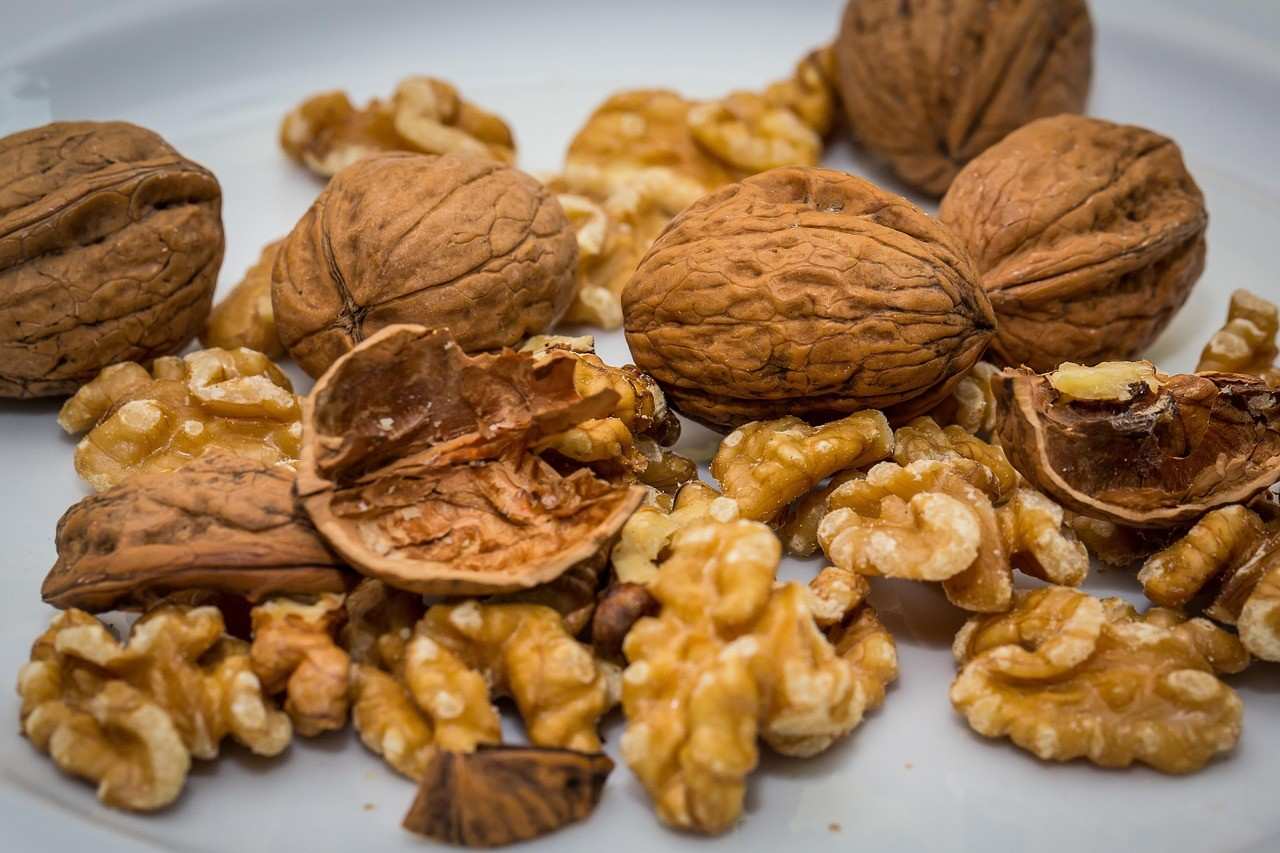

Did you know that walnuts are often referred to as “brain food”? It’s not just a catchy phrase; there’s some science backing it up. These little powerhouses pack a punch when it comes to promoting mental clarity and overall brain health. In a world where distractions are everywhere, finding ways to enhance our cognitive function is more important than ever. Let’s dive into five nutty ways walnuts can help clear the mental fog and keep your mind sharp.
Contents
1. Omega-3 Fatty Acids: The Brain’s Best Friend
When you think about brain health, omega-3 fatty acids probably come to mind. These essential fats are vital for maintaining brain function and structure. Guess what? Walnuts are one of the best plant-based sources of omega-3s!
The Benefits
Omega-3 fatty acids support neuron growth and function, which is crucial for mental clarity. Some research suggests that a diet rich in omega-3s can lead to improved memory and cognitive performance (Gómez-Pinilla, 2008). This is particularly important as we age, as studies indicate that omega-3s may help stave off cognitive decline.
The Caveat
While walnuts are a fantastic source of omega-3s, it’s essential to consume them as part of a balanced diet. Loading up on walnuts alone won’t magically improve your focus. Pairing them with other healthy foods can amplify their benefits.
2. Antioxidants: Fighting Off Mental Fatigue
Oxidative stress is a sneaky culprit that can lead to mental fatigue and cognitive decline. Walnuts are rich in antioxidants, particularly polyphenolic compounds, which help combat oxidative stress in the brain.
The Benefits
A diet high in antioxidants can enhance cognitive function and protect against neurodegenerative diseases. In one study, participants who consumed high-antioxidant foods, including walnuts, showed improved cognitive performance over time (Morris et al., 2015). It’s like giving your brain a protective shield!
The Caveat
While walnuts are beneficial, relying solely on them for antioxidants won’t cut it. A variety of fruits, vegetables, and whole grains should also be included in your diet to get a broader range of antioxidants.
3. Mood Boosting: The Connection Between Nuts and Happiness
Did you know that what you eat can affect your mood? Walnuts contain several nutrients that can help boost your mood and, in turn, enhance your mental clarity.
The Benefits
Walnuts are rich in magnesium, which has been linked to reduced anxiety and improved mood. Additionally, the omega-3 fatty acids in walnuts can help regulate neurotransmitters associated with mood, such as serotonin (Gómez-Pinilla, 2008). A happier mind is often a clearer mind!
The Caveat
It’s worth noting that while walnuts can contribute to a better mood, they are not a substitute for professional mental health treatment. If you’re struggling with persistent mood issues, seeking help from a qualified professional is essential.
4. Brain-Boosting Snacks: Easy and Delicious
Sometimes, the simplest way to enhance mental clarity is through what you snack on. Walnuts make for an easy, nutritious snack that can keep your brain energized throughout the day.
The Benefits
Snacking on walnuts can help maintain stable blood sugar levels, which is crucial for consistent energy and focus. When blood sugar levels fluctuate, it can lead to brain fog and reduced cognitive function. A handful of walnuts can provide a quick energy boost without the crash that comes from sugary snacks.
The Caveat
Portion control is key here. While walnuts are healthy, they are also calorie-dense. A handful (about 1 ounce or 14 halves) is generally recommended as a daily serving. Overindulging can lead to unwanted weight gain, which can have its own negative effects on mental clarity.
5. Incorporating Walnuts into Your Diet: Simple Tips
So, how do you get these brain-boosting nuts into your daily routine? It’s easier than you might think!
The Benefits
Here are some simple ways to incorporate walnuts into your diet:
- Breakfast Boost: Toss a handful of walnuts on your morning oatmeal or yogurt.
- Salad Sensation: Add chopped walnuts to your salads for an extra crunch and nutritional punch.
- Smoothie Supercharge: Blend walnuts into your smoothies for added creaminess and healthy fats.
- Baking Buddy: Use walnuts in your baking, whether it’s muffins or bread, for added texture and flavor.
The Caveat
Be mindful of any nut allergies when introducing walnuts into your diet. If you have concerns about allergies, consult a healthcare provider before making changes.
FAQs
1. How many walnuts should I eat daily for mental clarity?
A handful, roughly 1 ounce or 14 halves, is a good daily serving size for most people.
2. Can walnuts improve memory?
Yes, walnuts are rich in omega-3 fatty acids and antioxidants, which have been linked to improved memory and cognitive function.
3. Are there any side effects of eating walnuts?
While walnuts are healthy, they are calorie-dense. Overeating can lead to weight gain. Additionally, some people may have nut allergies.
4. Can I get the same benefits from other nuts?
While other nuts also offer health benefits, walnuts are unique in their high omega-3 content and antioxidant properties.
Conclusion
Incorporating walnuts into your diet can be a delicious and effective way to boost mental clarity. From their rich omega-3 content to their mood-enhancing properties, these nuts are more than just a tasty snack. They offer a variety of benefits that can help keep your mind sharp and focused.
Remember, though, that walnuts are just one piece of the puzzle. A balanced diet, regular exercise, and good sleep hygiene are also crucial for maintaining mental clarity. So go ahead, grab a handful of walnuts, and enjoy the nutty journey to a clearer mind!
Disclaimer: This article is for educational purposes only and is not a substitute for professional medical advice. Always consult a qualified healthcare provider before making changes to your health routine.
References
- Gómez-Pinilla, F. (2008). Brain foods: the effects of nutrients on brain function. Nature Reviews Neuroscience, 9(7), 568-578. https://doi.org/10.1038/nrn2421
- Morris, M. C., et al. (2015). Dietary fats and 5-year cognitive change in older adults: the Chicago Health and Aging Project. Neurobiology of Aging, 36(1), 21-31. https://doi.org/10.1016/j.neurobiolaging.2014.07.017
- Mayo Clinic. (n.d.). Walnuts: Nutrition and health benefits. Retrieved from https://www.mayoclinic.org/healthy-lifestyle/nutrition-and-healthy-eating/in-depth/walnuts/art-20045085
- Harvard Health Publishing. (2020). The health benefits of walnuts. Retrieved from https://www.health.harvard.edu/staying-healthy/the-health-benefits-of-walnuts
Get Your FREE Natural Health Guide!
Subscribe now and receive our exclusive ebook packed with natural health tips, practical wellness advice, and easy lifestyle changes, delivered straight to your inbox.