
Contents
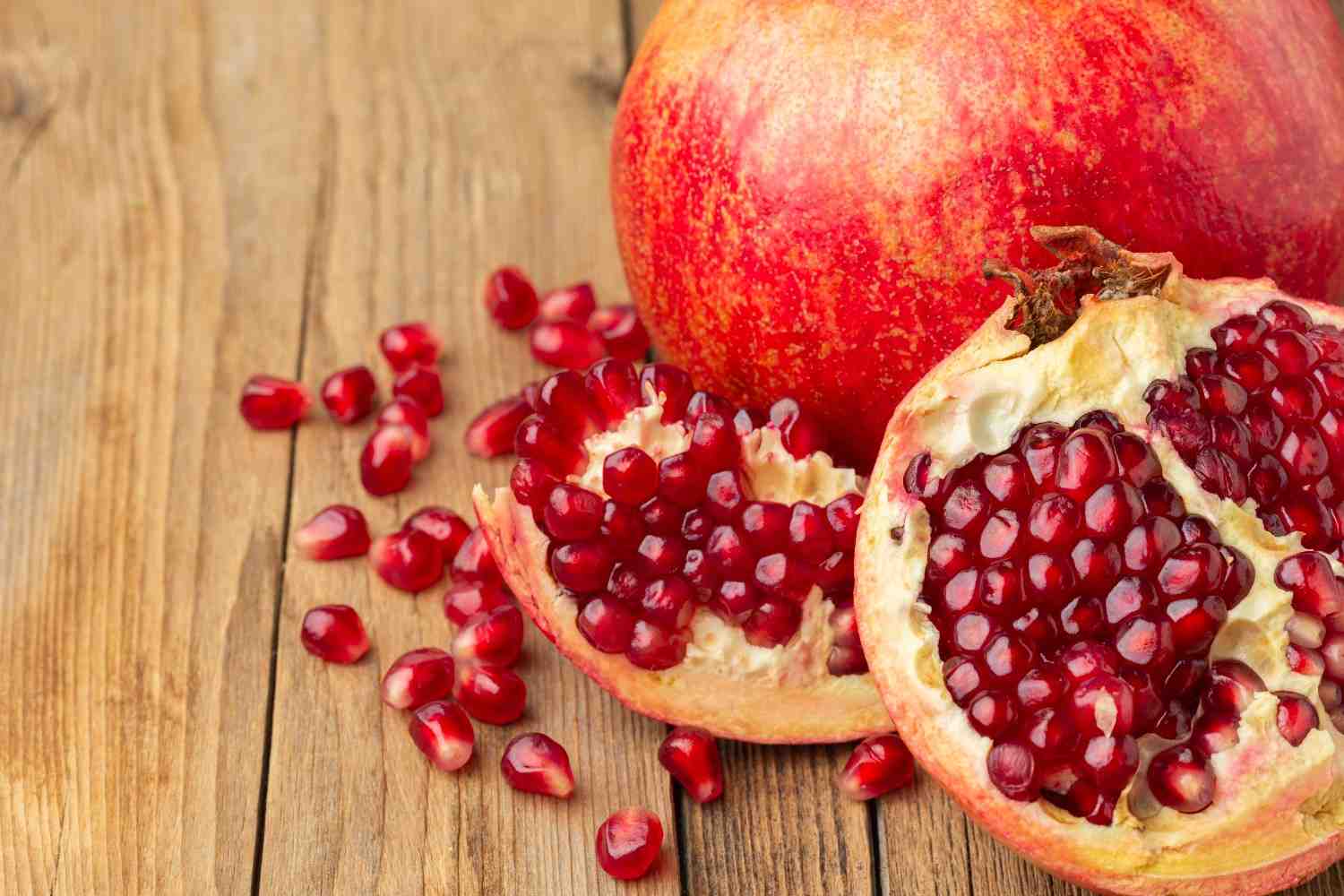
Did you know that the vibrant, jewel-like seeds of pomegranate could be a key to healthier eyes? It’s true! These little gems aren’t just a treat for your taste buds; they’re packed with nutrients that can play a significant role in eye health. Let’s dive into five delicious ways to incorporate pomegranate into your diet, all while giving your peepers a boost.
1. Pomegranate Smoothies
Why They Work
Smoothies are a fantastic way to combine pomegranate with other eye-healthy ingredients. Pomegranate is rich in antioxidants, particularly punicalagins and anthocyanins, which can help reduce inflammation and oxidative stress—two culprits that can contribute to eye diseases like cataracts and age-related macular degeneration (AMD).
How to Make It
Ingredients:
- 1 cup fresh pomegranate seeds
- 1 banana
- 1 cup spinach (another eye-friendly food)
- 1 cup almond milk (or any milk of your choice)
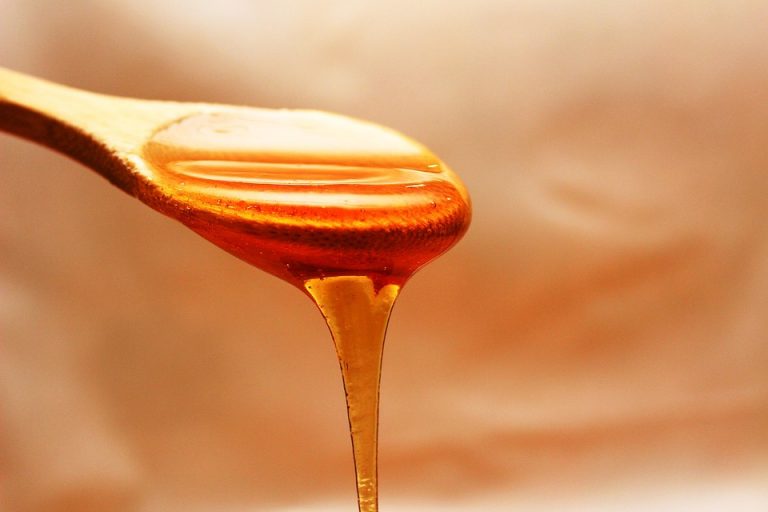
- A tablespoon of honey (optional)
Instructions:
- Blend all ingredients together until smooth.
- Pour into a glass and enjoy!
Pros and Cons
Pros:
- Quick and easy to make.
- Versatile; you can add other fruits like blueberries or kale for an extra health kick.
- Tastes delicious!
Cons:
- If you’re not a fan of green smoothies, the spinach might be off-putting (but trust me, you won’t taste it!).
2. Pomegranate Salad
Why They Work
Adding pomegranate to salads can enhance not just the flavor but also the nutritional profile. Leafy greens, nuts, and seeds are often included in salads and are known to be beneficial for eye health. The combination of pomegranate’s antioxidants and the healthy fats from nuts can help your body absorb more nutrients.
How to Make It
Ingredients:
- 2 cups mixed greens (like arugula and spinach)
- 1/2 cup pomegranate seeds
- 1/4 cup walnuts or almonds
- 1/4 cup feta cheese (optional)
- Olive oil and balsamic vinegar for dressing
Instructions:
- In a large bowl, toss the greens with pomegranate seeds and nuts.
- Crumble feta cheese on top if desired.
- Drizzle with olive oil and balsamic vinegar before serving.
Pros and Cons
Pros:
- A colorful addition to your meal that’s visually appealing.
- Packed with nutrients and fiber.
Cons:
- Some people might find it a bit too tart if they’re not used to the flavor of pomegranates.
3. Pomegranate Juice
Why They Work
Pomegranate juice has been studied for its potential to improve eye health. Research indicates that it can help reduce intraocular pressure, which is beneficial for those at risk for glaucoma. Plus, it’s an easy way to get a concentrated dose of antioxidants.
How to Make It
If you’re feeling adventurous, you can make your own juice at home!
Ingredients:
- 2-3 large pomegranates
Instructions:
- Cut the pomegranates in half and use a juicer to extract the juice.
- Strain through a fine mesh sieve to remove seeds and pulp if desired.
- Chill and enjoy!
Pros and Cons
Pros:
- A convenient way to consume pomegranate’s health benefits.
- Refreshing and hydrating.
Cons:
- Store-bought juices can be high in sugar, so opt for 100% juice or make your own.
4. Pomegranate Yogurt Parfait
Why They Work
Combining pomegranate with yogurt not only adds flavor but also incorporates probiotics, which are beneficial for gut health. Healthy digestion can indirectly benefit eye health, as a well-functioning body is better at absorbing nutrients.
How to Make It
Ingredients:
- 1 cup plain Greek yogurt
- 1/2 cup pomegranate seeds
- 1/4 cup granola
- A drizzle of honey or maple syrup (optional)
Instructions:
- In a glass or bowl, layer the yogurt, pomegranate seeds, and granola.
- Drizzle with honey if desired.
- Serve immediately.
Pros and Cons
Pros:
- A balanced breakfast or snack that’s quick to prepare.
- Satisfies sweet cravings without added sugars.
Cons:
- Some may find the tartness of pomegranate seeds overpowering against the creaminess of yogurt.
5. Pomegranate Glaze for Meat or Fish
Why They Work
Using pomegranate in savory dishes can be a game-changer. The antioxidants in pomegranate can help fight inflammation, and pairing it with protein can create a well-rounded meal that supports overall health, including eye health.
How to Make It
Ingredients:
- 1 cup pomegranate juice
- 1 tablespoon honey
- 1 teaspoon balsamic vinegar
- Salt and pepper to taste
Instructions:
- In a small saucepan, combine pomegranate juice, honey, and balsamic vinegar.
- Simmer over medium heat until it thickens (about 10-15 minutes).
- Use as a glaze for grilled chicken or fish.
Pros and Cons
Pros:
- A unique twist on traditional marinades.
- Adds a sweet and tangy flavor profile to your dishes.
Cons:
- Might not appeal to those who prefer more traditional flavors.
Frequently Asked Questions
1. How does pomegranate benefit eye health?
Pomegranate is rich in antioxidants that help reduce oxidative stress and inflammation, which are linked to eye diseases like AMD and cataracts.
2. Can I consume pomegranate if I’m on medication for eye conditions?
Always consult your doctor or healthcare provider before adding new foods to your diet, especially if you’re on medication.
3. Is pomegranate juice better than the whole fruit?
While juice provides a concentrated source of antioxidants, eating the whole fruit offers fiber and other nutrients that juice lacks.
4. How often should I include pomegranate in my diet for eye health?
Incorporating pomegranate into your diet several times a week can help you reap its benefits, but balance is key.
Conclusion
Incorporating pomegranate into your meals is not just a delightful culinary experience; it can also be a delicious strategy for boosting your eye health. From smoothies to savory glazes, the ways to enjoy this superfood are endless. And let’s be real, who doesn’t want to munch on something that’s both tasty and beneficial?
So go ahead, grab some pomegranates, and start experimenting. Your eyes (and taste buds) will thank you!
This article is for educational purposes only and is not a substitute for professional medical advice. Always consult a qualified healthcare provider before making changes to your health routine.
References
-
Shukla, S., & Gupta, S. (2010). Pomegranate: A review on its health benefits. Journal of Medicinal Food, 13(5), 1073-1080. https://doi.org/10.1089/jmf.2009.1347
-
Mayo Clinic. (2022). Eye health: The importance of nutrition. Retrieved from https://www.mayoclinic.org/healthy-lifestyle/nutrition-and-healthy-eating/in-depth/eye-health/art-20046080
-
National Eye Institute. (2023). Age-related macular degeneration (AMD). Retrieved from https://www.nei.nih.gov/learn-about-eye-health/eye-conditions/age-related-macular-degeneration
Get Your FREE Natural Health Guide!
Subscribe now and receive our exclusive ebook packed with natural health tips, practical wellness advice, and easy lifestyle changes, delivered straight to your inbox.