
Brain mood foods are the small, delicious choices that quietly rearrange how you feel. {1}
They aren’t a magic cure, but they are practical tools you can put on your plate today. {2} These foods change brain chemistry, calm stress, sharpen focus, and lift mood. You’ll read about science-backed ingredients, real-world tips, and simple recipes that make eating for happiness feel easy and irresistible.
Contents
- Brain Mood Foods To Try Today {3}
- How Brain Mood Foods Work {18}
- Building A Mood-Boosting Plate {20}
- Daily Habits That Amplify Food Benefits {21}
- The Bottom Line {22}
- FAQ
Brain Mood Foods To Try Today {3}
Eating well is an act of self-respect. When you choose the right ingredients, your body rewards you with steadier energy and clearer thinking. Below are seven powerhouse picks, each explained, backed by research, and made simple so you can use them tonight.
Fatty Fish: Omega-3s For Joy {4}
Fatty fish like salmon, mackerel, and sardines are rich in omega-3s, the fats your brain drinks up. These fats support neurotransmitters that help regulate emotion and reduce inflammation tied to low mood.
Researchers have linked higher omega-3 intake to fewer depressive symptoms, and Harvard Health has a helpful overview showing how omega-3s support mental health (https://www.health.harvard.edu/mind-and-mood/omega-3s-may-help-lift-depression). Make grilled salmon a weeknight habit and notice how your baseline steadies.
How To Use:
- Aim for two servings of fatty fish a week.
- If fish isn’t your thing, consider a high-quality fish oil or algae supplement after checking with your clinician.
Dark Chocolate: A Quick Mood Lift {5}
Dark chocolate is a sensory joy and a legitimate mood tool. It contains flavanols that support blood flow to the brain, plus compounds that trigger mild pleasure responses.
A moderate portion, about one to two small squares, can reduce stress and lift spirits without derailing your health goals. Enjoy it mindfully and savor each bite.
How To Use:
- Choose 70% cocoa or higher.
- Pair a square with a handful of walnuts for added brain benefits.
Berries: Antioxidant-Rich Happiness {6}
Berries, blueberries, strawberries, raspberries, are small but stubbornly powerful. They provide flavonoids that protect neurons and improve signaling, which supports memory and mood.
Clinical studies suggest diets rich in berries can reduce cognitive decline and may support mood regulation. Toss berries into yogurt, oatmeal, or smoothies to get a daily dose.
How To Use:
- Freeze berries to keep them available year-round.
- Blend a berry bowl into a smoothie with spinach and protein for a balanced mood meal. {9}
Leafy Greens: Folate For Emotional Balance {7}
Leafy greens like spinach, kale, and Swiss chard are loaded with folate, a nutrient tied to neurotransmitter production. Low folate levels have been associated with depressive symptoms in multiple studies.
Add greens to every meal. They’re easy to sauté, blend, or layer into sandwiches. Think of them as the emotional infrastructure, quiet, green, and essential.
How To Use:
- Add a handful of greens to your morning eggs or smoothie.
- Make a big salad as the base for multiple lunches.
Nuts And Seeds: Magnesium And Mood {8}
Nuts and seeds give you healthy fats, protein, and magnesium, a mineral that plays a central role in calming the nervous system. Almonds, pumpkin seeds, and walnuts are excellent picks.
A snack of mixed nuts stops the midafternoon crash and supports steady neurotransmitter balance. Keep a jar by your desk and reach for it with intention.
How To Use:
- Snack on a tablespoon to a quarter-cup between meals.
- Add seeds to yogurt or salads for texture and mood support. {11}
Fermented Foods: Gut-Brain Communication {9}
Fermented foods like yogurt, kefir, kimchi, and sauerkraut feed your microbiome. A healthy gut helps produce neurotransmitters like serotonin and communicates with your brain through the vagus nerve.
Research on the gut-brain axis shows promising connections between probiotic-rich diets and lower anxiety and depressive symptoms. Start small and let your gut adjust.
How To Use:
- Add a spoonful of kimchi to a bowl of rice or a dollop of kefir to smoothies.
- Choose fermented foods with live cultures and minimal added sugar.
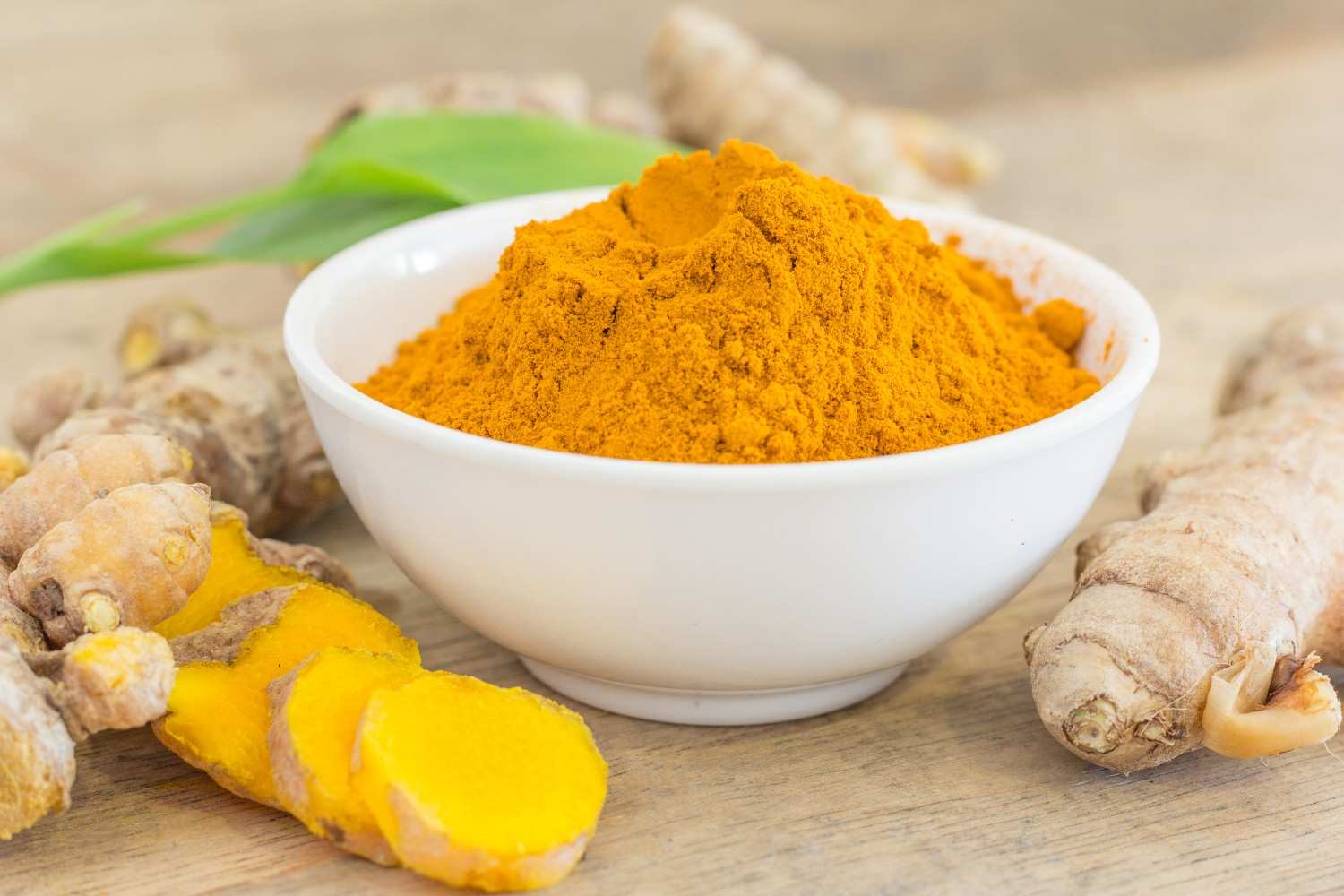
Turmeric And Curcumin: Natural Mood Support {10}
Turmeric’s active compound, curcumin, shows anti-inflammatory and neuroprotective effects. Studies suggest curcumin can reduce depressive symptoms, especially when paired with black pepper to boost absorption.
Use turmeric in soups, stews, and golden milk. A sprinkle can brighten flavor and mood in the same breath.
How To Use:
- Stir turmeric into roasted veggies or rice with a pinch of black pepper.
- Try a daily turmeric latte made with milk or a milk alternative for comfort and calm. {17}
Simple Mood-Boosting Recipes {11}
A quick recipe makes a lasting habit. Try this one tonight: pan-seared salmon over sautéed spinach with a berry-walnut salad. It combines omega-3s, folate, antioxidants, and healthy fats in three bites.
Another option: Greek yogurt bowl with berries, walnuts, and a drizzle of dark chocolate shavings. It’s dessert and medicine in one spoonful.
How Brain Mood Foods Work {18}
Your brain runs on chemistry. Foods provide the building blocks for neurotransmitters like serotonin, dopamine, and GABA. They also influence inflammation and blood flow, which affects cognition and emotion.
Clinical reviews and meta-analyses show that dietary patterns rich in whole foods improve mental health outcomes compared with diets high in processed foods. If you want deeper reading, PubMed hosts many accessible reviews on nutrients and mood (https://www.ncbi.nlm.nih.gov/pmc/articles/PMC5641835/). {19}
Building A Mood-Boosting Plate {20}
A practical plate is simple: one portion of protein (fatty fish, yogurt, or nuts), a large portion of vegetables or salad, a serving of berries or fruit, and a small portion of whole grains. Add a fermented side and a sprinkle of seeds.
Start with one meal per day intentionally built for your brain. Consistency matters more than perfection.
Daily Habits That Amplify Food Benefits {21}
Sleep, movement, and hydration amplify what these foods do. Exercise increases neurotransmitter sensitivity and improves the impact of nutrients. Adequate sleep gives your brain time to restore and to use what you’ve fed it.
Make small, non-negotiable habits: a 10-minute walk after lunch, a bedtime routine that protects sleep, and water by the bedside.
The Bottom Line {22}
Eat with purpose. Choose foods that feed brain chemistry and calm inflammation. Over time, those choices become the scaffolding of a steadier mood and clearer thinking.
You don’t need a perfect diet; you need consistent ones. Start with one of the seven foods above and add another each week. Watch how a few thoughtful bites shape your entire day.
Feel encouraged. Change is simple when you make it delicious.
FAQ
Can Food Really Change My Mood?
Yes. Food provides neurotransmitter precursors and affects inflammation, both of which influence mood. Studies show that diets rich in whole foods and specific nutrients support better mental health outcomes.
How Fast Will I Notice A Difference?
Some effects, like improved energy and reduced cravings, can appear within days. Changes in mood regulation may take weeks of consistent eating. Think of this as long-term maintenance, not instant magic.
Are Supplements As Good As Whole Foods?
Supplements can help when foods are unavailable or when you have a deficiency. Whole foods deliver a matrix of nutrients and fiber that supplements can’t fully replace. Consult your healthcare provider before starting supplements.
What If I’m Picky Or Have Food Restrictions?
You can still build a mood-boosting plan. Choose alternative sources: flax or chia for omega-3s, dark chocolate alternatives for a mood lift, or fermented beverages if you avoid dairy. The principle is variety and nutrient density.
References
Harvard Health provides a clear explanation of omega-3s and their link to mood and depression (http://www.health.harvard.edu/mind-and-mood/omega-3s-may-help-lift-depression).
A National Institutes of Health review discusses the gut-brain axis and how fermented foods influence mental health through microbial pathways (http://www.ncbi.nlm.nih.gov/pmc/articles/PMC5641835/).
A PubMed Central article reviews the effects of magnesium and other nutrients on mood and neurological function (http://www.ncbi.nlm.nih.gov/pmc/articles/PMC5452159/).
Get Your FREE Natural Health Guide!
Subscribe now and receive our exclusive ebook packed with natural health tips, practical wellness advice, and easy lifestyle changes, delivered straight to your inbox.