
Lowering your cholesterol today can be a game-changer for your health. Many of us don’t realize how much control we have over our cholesterol levels, but the good news is that you can take action right now. Whether you’re facing high cholesterol for the first time or just looking to maintain a healthy balance, this guide is here to empower you.

Contents
What is Cholesterol and Why Does It Matter?
Cholesterol is a fatty substance your body needs to build cells and produce hormones. However, when your cholesterol levels are too high, it can lead to serious health issues like heart disease and stroke. Understanding your cholesterol numbers—like LDL (the “bad” cholesterol) and HDL (the “good” cholesterol)—is crucial for your well-being.
So why should you care? Because your heart health directly impacts your quality of life. Lower cholesterol levels can lead to more energy, better moods, and a longer life. Ready to dive in? Let’s explore seven simple steps to lower your cholesterol today.
Step 1: Embrace a Heart-Healthy Diet
Focus on Whole Foods
The foundation of lowering your cholesterol is a heart-healthy diet. Think colorful fruits, vegetables, whole grains, and lean proteins. These foods are rich in fiber, which helps reduce LDL cholesterol.
- Oats and Barley: Start your day with a hearty bowl of oatmeal. The soluble fiber in oats can lower cholesterol levels.
- Fruits and Veggies: Fill your plate with vibrant produce. Apples, berries, and citrus fruits are especially beneficial.
- Legumes: Beans, lentils, and chickpeas are not just filling; they’re also heart-healthy champions.
Cut the Bad Stuff
Avoid saturated fats found in red meat and full-fat dairy products. Trans fats, often lurking in processed foods, are even worse. Check labels and steer clear of anything hydrogenated.
Step 2: Get Moving
Exercise Regularly
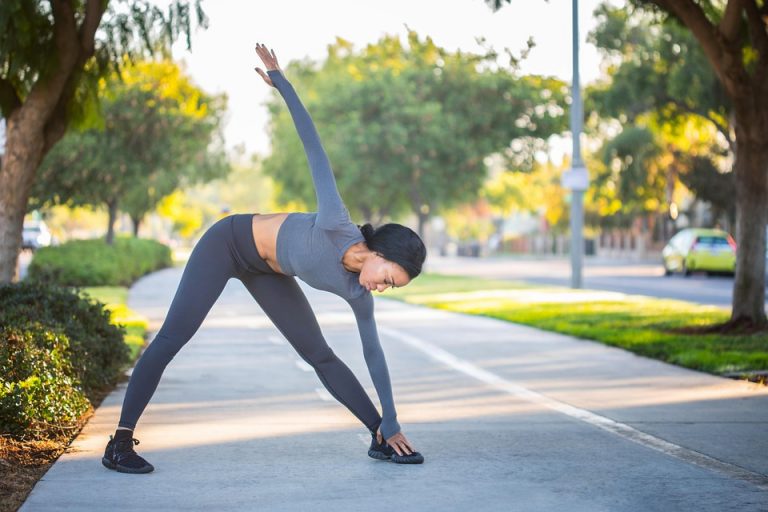
Physical activity is a powerful tool for lowering cholesterol. Aim for at least 150 minutes of moderate exercise each week. Here’s how to get started:
- Walking: A brisk walk can do wonders. It’s simple, free, and effective.
- Cycling: Whether you’re on a stationary bike or cruising around the neighborhood, cycling boosts heart health.
- Strength Training: Incorporate weights or resistance bands a couple of times a week. It builds muscle and burns fat.
Find What You Love
Exercise doesn’t have to be a chore. Dance, swim, or join a sports league—whatever makes you happy will keep you motivated.
Step 3: Maintain a Healthy Weight
Understand Your Body
Excess weight can raise your LDL cholesterol levels. Even a modest weight loss of 5-10% can make a significant difference. Start by tracking your eating habits and physical activity.
Smart Strategies
- Portion control: Use smaller plates to help manage portions.
- Mindful Eating: Slow down and savor each bite. This can prevent overeating.
Step 4: Manage Stress Effectively
The Stress-Cholesterol Connection
Chronic stress can lead to unhealthy eating habits and increased cholesterol levels. Finding effective ways to manage stress is vital.
Techniques to Try
- Mindfulness and Meditation: Spend a few minutes each day meditating or practicing deep breathing.
- Hobbies: Engage in activities that bring you joy, whether it’s painting, gardening, or reading.
Connect with Others
Talk to friends or family about your stressors. Sometimes, just sharing what’s on your mind can lighten the load.
Step 5: Limit Alcohol Consumption
Know the Limits
If you drink alcohol, do so in moderation. For women, that means up to one drink per day, and for men, up to two. Excessive drinking can raise cholesterol levels and lead to other health problems.
Healthier Alternatives
Choose water or seltzer with a splash of lime. You’ll stay hydrated and avoid unnecessary calories.
Step 6: Quit Smoking
The Benefits of Quitting
If you smoke, quitting can improve your HDL cholesterol levels. Not only will your cholesterol benefit, but your overall health will, too.
Resources to Help
- Support Groups: Look for local or online support groups that can help you through the quitting process.
- Nicotine Replacement: Consider patches or gums to ease withdrawal symptoms.
Step 7: Consult Your Doctor
Regular Check-Ups
Your healthcare provider can offer personalized advice and monitor your cholesterol levels. Regular check-ups will help you stay on track and make any necessary adjustments.
Medication Options
If lifestyle changes aren’t enough, don’t hesitate to discuss medication options. Statins and other drugs can effectively lower cholesterol levels when needed.
Bottom Line
Lowering your cholesterol today is within your reach. By embracing a heart-healthy diet, staying active, managing stress, and consulting your doctor, you can take control of your health. Remember, every small step counts.
Ready to Take Action?
Start with one or two steps today, and build from there. Your heart will thank you!
Frequently Asked Questions
What is considered a healthy cholesterol level?
A total cholesterol level below 200 mg/dL is generally considered healthy. Aim for LDL levels below 100 mg/dL.
How quickly can I lower my cholesterol?
With lifestyle changes, you may see improvements in just a few weeks, but significant changes may take a few months.
Are there specific foods to avoid?
Yes, limit saturated fats found in red meats and full-fat dairy, as well as trans fats in processed foods.
For more information, you can visit the American Heart Association or Centers for Disease Control and Prevention for reliable resources on cholesterol management.
Taking the step to lower your cholesterol today can lead to a healthier, happier you. Embrace these changes and watch your life transform!
Get Your FREE Natural Health Guide!
Subscribe now and receive our exclusive ebook packed with natural health tips, practical wellness advice, and easy lifestyle changes, delivered straight to your inbox.