
Tendon strengthening plants are the green allies your body notices when you pay attention. They are herbs, foods, and topical botanicals that help support collagen production, reduce damaging inflammation, and nourish the tissues that carry your strength. If your knees creak after a walk, your shoulders grumble after lifting, or you simply want tendon resilience that lasts, these plants matter, and you can use them confidently.
Contents
Tendon Strengthening Plants You Can Use Today
You don’t need a cabinet full of bottles. Start with a handful of smart plants and habits. Think turmeric for inflammation, citrus or rose hips for vitamin C, gelatin or bone broth for building blocks of collagen, and silica-rich horsetail to support connective tissue. These aren’t trendy add-ons. They’re practical partners for people who want movement without worry.
Why Plants Make A Real Difference
Tendons are mostly collagen. Collagen needs vitamin C to form stable fibers, and it benefits from certain amino acids and micronutrients. Plants bring anti-inflammatory compounds, antioxidants, enzymes, and minerals that reduce degeneration and encourage repair. Clinical research shows that vitamin C is essential for collagen synthesis, and compounds like curcumin from turmeric can blunt harmful inflammation while encouraging healing pathways. When you stack the right plants with smart nutrition and movement, tendon recovery isn’t a hope, it’s a plan.
Start With Food First
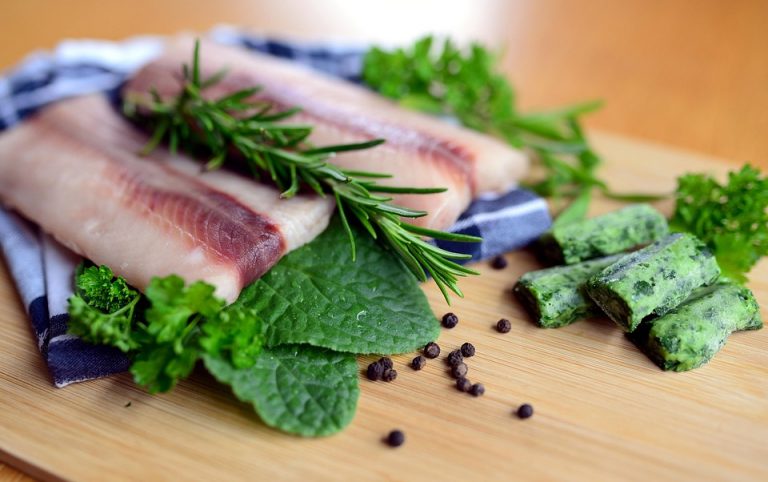
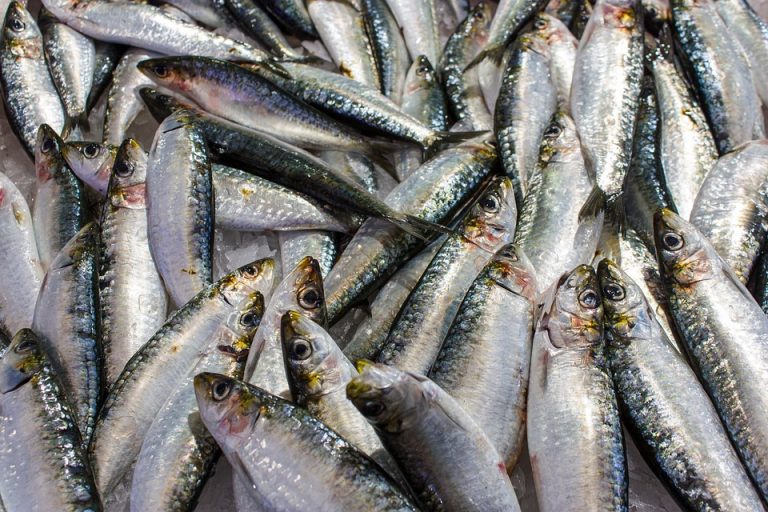
Food is the easiest place to change your tendon story. Add citrus, berries, and bell peppers for vitamin C. Toss in wild salmon, flaxseed, or chia to give your body anti-inflammatory omega-3s. Stews and slow-cooked bone broths are not a nostalgic indulgence, they deliver gelatin and collagen precursors that feed tendon repair. Whole-food sources work with your metabolism. They aren’t a magic bullet, but they raise the floor of your healing.
Use Herbs That Target Tendon Health
Some plants have decades of clinical or traditional backing. Turmeric provides curcumin, known to reduce excessive inflammation and support tissue repair. Ginger offers similar anti-inflammatory effects. Pineapple contains bromelain, an enzyme that can ease swelling and speed recovery. You can use these herbs as teas, meals, or targeted supplements. When you combine them with a nutritious protein source and vitamin C, they act like good colleagues, each doing a clear job.
Topicals That Help When Tendons Are Angry
Topical plant formulas can calm pain and speed localized recovery. Arnica gel can reduce bruising and soreness. Comfrey salves have historical use for soft-tissue repair, but use them cautiously and pick vetted commercial preparations, some comfrey forms are not for internal use. Capsaicin creams can lower pain signals, helping you move more and avoid stiffness. Topicals don’t replace internal nutrition, but they make daily movement cleaner and less punishing.
7 Ways To Use Tendon Strengthening Plants
Below are practical, proven ways to fold tendon strengthening plants into your life. Each approach is usable today, requires minimal fuss, and can make a measurable difference when paired with sensible rehab or exercise.
-
- Combine Vitamin C–Rich Plants With Collagen Sources
Your body needs vitamin C to build collagen. Mix citrus, rose hips, or kiwi into meals with bone broth, gelatin desserts, or collagen peptides. That combination supports tendon matrix production and makes workouts actually count toward tissue strength. - Use Turmeric Daily, But Make It Bioavailable
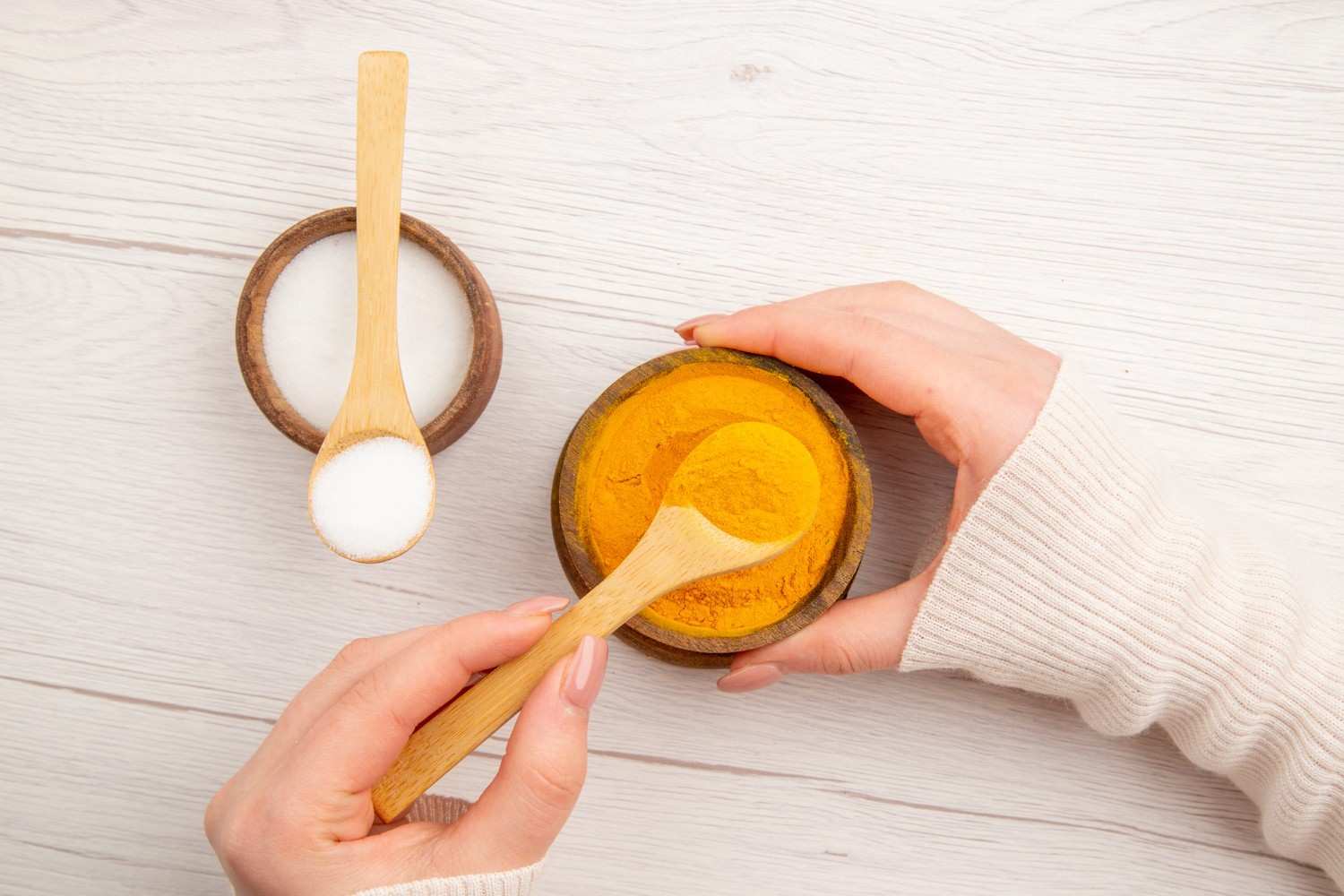
Curcumin is a potent anti-inflammatory, but it’s poorly absorbed on its own. Pair turmeric with fat (like olive oil or avocado) and a pinch of black pepper to boost absorption. A cup of golden milk or a turmeric vinaigrette daily is a simple ritual that calms chronic, low-grade inflammation around tendons. - Eat Silica-Rich Plants For Structural Support
Silica is a mineral that helps connective tissue integrity. Horsetail and bamboo shoots are plant sources high in bioavailable silica. Add horsetail tea a few times a week or include bamboo shoots in stir-fries to nudge tendon resilience. - Use Bromelain And Ginger After Acute Strain
After a minor tendon flare or overuse episode, bromelain from pineapple and ginger can limit swelling and speed recovery. Fresh pineapple or a bromelain supplement, paired with ginger tea and light mobility work, often shortens downtime. - Make Collagen-Forward Meals A Habit
Long-simmered bone broths, gelatin-based desserts, and collagen peptides in smoothies provide the amino acids your tendons need. Use them post-workout or as a daily structural support. There’s emerging evidence that collagen supplementation alongside exercise can increase collagen synthesis within connective tissues. - Apply Therapeutic Topicals For Local Relief
Arnica gel, comfrey salve (from safe, topical-only formulations), and capsaicin creams reduce painful signals and make gentle rehab work possible. Topicals are a bridge, they help you move without pain, and movement is the stimulus tendons need to adapt. - Pair Plants With Progressive Loading And Rest
Plants aren’t substitutes for good rehab. Use botanicals to reduce harmful inflammation and to nourish tissue, then follow progressive loading protocols recommended by rehabilitation professionals. Controlled eccentric exercises, graduated loading, and strategic rest let the plant-based support turn into stronger, tougher tendons.
- Combine Vitamin C–Rich Plants With Collagen Sources
How To Build A Weekly Plan
A practical week combines food, herbs, and movement. Sample plan: daily vitamin C-rich fruit at breakfast; collagen smoothie post-exercise; two cups of turmeric-ginger tea; a horsetail tea midweek; pineapple or bromelain after a hard training day; arnica gel for local soreness. Keep portions sensible and cycle supplements if you’re using strong extracts.
What The Science Says
Nutrition and botanicals aren’t magic, but science supports their role. Vitamin C is essential for hydroxylation reactions during collagen synthesis and therefore critical for tendon healing. Studies suggest curcumin may modulate inflammatory pathways relevant to tendon degeneration and repair. Clinical trials indicate that collagen peptide supplementation in conjunction with exercise can increase collagen synthesis and improve functional outcomes in connective tissues. Trustworthy sources like the NIH and major hospitals summarize this evidence and provide guidance for safe use.
Safety, Interactions, And When To See A Pro
Plants are powerful. Turmeric can interact with blood thinners. Bromelain may affect medications the same way. Comfrey should not be taken internally. Always tell your clinician about herbal use, especially if you’re on medication or pregnant. If tendon pain is severe, persistent, or accompanied by swelling and heat, get evaluated. You want expert imaging or guided treatment rather than guesswork. Use botanicals as supportive tools, not substitutes for medical care.
Integrating Plants With Rehab For Better Results
Using tendon strengthening plants alongside a clear rehab plan gives you a real advantage. Plants reduce the biochemical barriers that stall healing, inflammation, oxidative stress, nutrient gaps, while rehab delivers mechanical signals that stimulate collagen alignment and strength. Think of plants as the soil and rehab as the gardener’s pruning: both are necessary.
-
- Start rehab under the guidance of a physical therapist when needed.
-
- Use plants to reduce flare intensity and to supply building blocks.
-
- Track pain, range of motion, and function; adjust load and plant protocols as you improve.
Practical Shopping List
-
- Turmeric (fresh root or powder)
-
- Black pepper (to enhance curcumin absorption)
-
- Fresh pineapple or bromelain supplements
-
- Citrus fruits, berries, bell peppers, or rose hips
-
- Bone broth or high-quality collagen peptides
-
- Horsetail tea or silica supplements (as directed)
-
- Arnica gel and clinician-approved topical salves
Long-Term Tendon Care: A Plant-Forward Lifestyle
You get one set of tendons; treat them like something you want to keep for life. Rotate anti-inflammatory herbs, prioritize whole foods, and stick to strength routines that challenge but do not punish. Plants support the slow, steady work of repair. Over years, that steady work turns into resilience, fewer flares, more freedom, less dread when you pick up your grandchild or grab a suitcase.
Bottom Line
Tendon strengthening plants are practical, evidence-backed tools that compliment sound nutrition and movement. Use vitamin C-rich fruits, collagen-supporting foods, turmeric, bromelain, silica sources, and therapeutic topicals as part of a plan. Combine them with progressive loading and professional guidance when needed. When used thoughtfully, these plants help your tendons get stronger, more resilient, and less prone to setbacks.
Take one small, confident step today: add a citrus fruit to breakfast and a turmeric latte to your evening routine. Your tendons will notice.
FAQ
Can I heal a torn tendon with plants alone?
No. Plants support healing, but a full-thickness tendon tear often requires medical assessment, imaging, and possibly surgery or guided rehab. Use botanicals to support recovery under professional supervision.
Are there risks to using comfrey or horsetail?
Yes. Comfrey contains compounds that can be harmful internally; use only topical products cleared by regulators. Horsetail contains thiaminase and can interfere with certain medications; use it under guidance and avoid long-term, unsupervised use.
How long before I see benefits?
You may notice reduced soreness or improved mobility within days with topical or anti-inflammatory herbs. Structural tendon improvements take weeks to months; collagen synthesis and measurable tendon adaptations need consistent nutrition and progressive loading.
References
NIH Office of Dietary Supplements provides clear guidance on the role of vitamin C in connective tissue health (https://ods.od.nih.gov/factsheets/VitaminC-Consumer/).
Cleveland Clinic explains collagen supplements, their uses, and evidence for connective tissue support (https://health.clevelandclinic.org/collagen-supplements/).
PubMed Central hosts peer-reviewed studies on nutritional support for tendon and collagen synthesis that clinicians reference for practice (https://www.ncbi.nlm.nih.gov/pmc/).
Get Your FREE Natural Health Guide!
Subscribe now and receive our exclusive ebook packed with natural health tips, practical wellness advice, and easy lifestyle changes, delivered straight to your inbox.