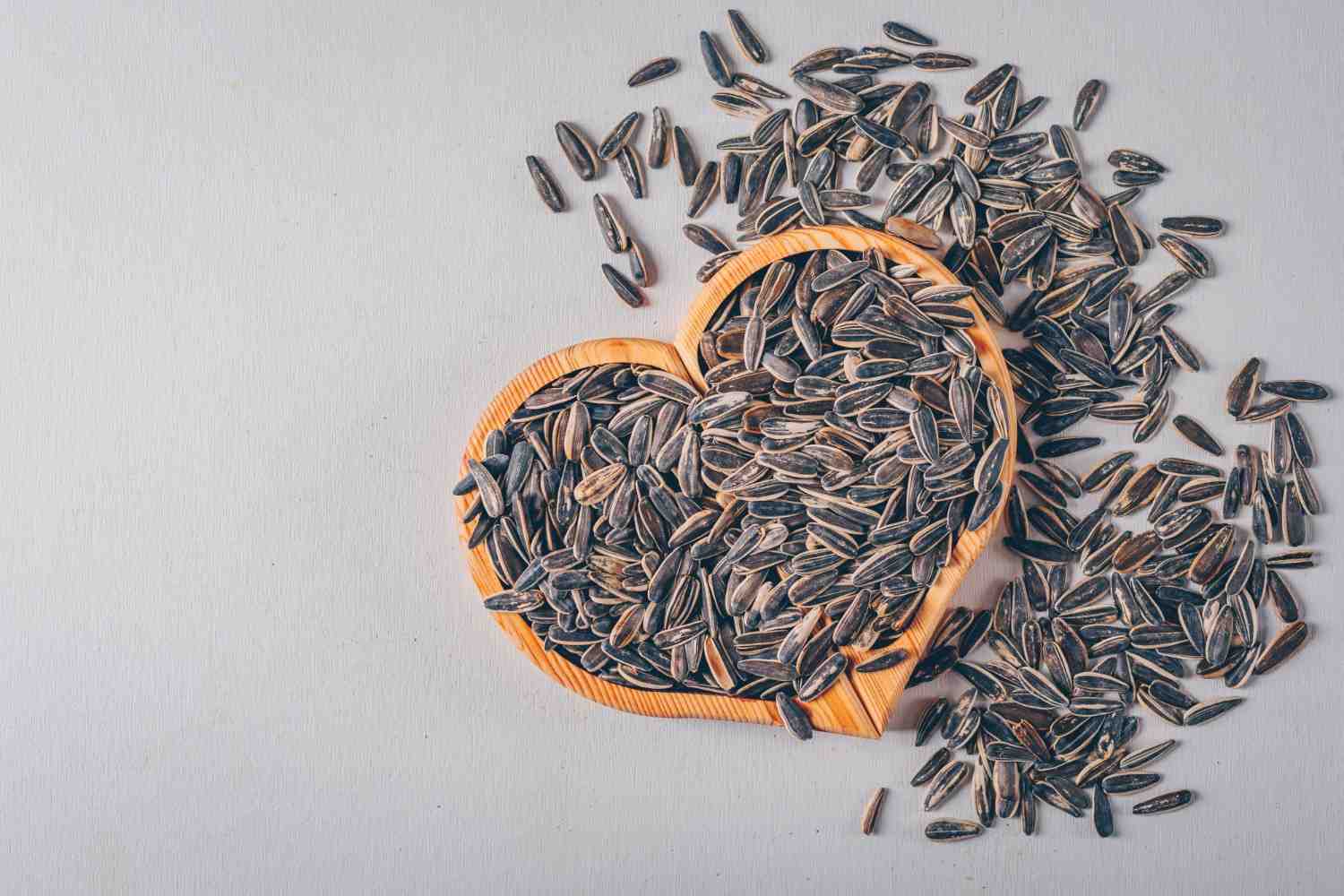
Did you know that a small handful of sunflower seeds can pack a powerful punch for your metabolism? It’s true! These tiny seeds are often overlooked as mere snacks or salad toppings, but they actually contain a treasure trove of nutrients that can help rev up your metabolic engine. Let’s dive into the five compelling ways sunflower seeds can supercharge your metabolism and explore how they can fit into your daily routine.


Contents
1. Packed with Nutrients
The Power of Protein
Sunflower seeds are an excellent source of protein, which is essential for building and repairing tissues. But did you know that protein also plays a significant role in boosting your metabolism? When you consume protein, your body burns more calories during digestion compared to fats and carbohydrates—a phenomenon known as the thermic effect of food (TEF).
Example: A serving of sunflower seeds (about 1 ounce) contains around 6 grams of protein. By incorporating them into your diet, you’re not only satisfying your snack cravings but also giving your metabolism a little nudge.
Healthy Fats
These seeds are rich in healthy fats, particularly polyunsaturated and monounsaturated fats. While it might seem counterintuitive, consuming healthy fats can actually promote weight loss. They help you feel full longer, reducing the likelihood of overeating and keeping your metabolism humming.
Vitamins and Minerals
Sunflower seeds are loaded with essential vitamins and minerals like vitamin E, magnesium, and selenium. Magnesium, in particular, plays a crucial role in energy production and metabolism regulation. A deficiency in magnesium can slow down your metabolic processes.
Caveat: While sunflower seeds are nutritious, moderation is key. They’re calorie-dense, so it’s best to enjoy them as part of a balanced diet.
2. Fiber for Digestive Health
The Role of Dietary Fiber
Fiber is another metabolic superstar found in sunflower seeds. A single ounce contains about 2 grams of dietary fiber. Fiber is not only beneficial for digestive health but also plays a crucial role in regulating blood sugar levels and maintaining a healthy weight.
How It Works: When you consume fiber, it slows down digestion, leading to a gradual release of glucose into the bloodstream. This helps stabilize energy levels and prevents the spikes and crashes that can lead to cravings and overeating.
Feeling Full
Fiber also adds bulk to your meals, making you feel fuller longer. This can lead to reduced calorie intake overall, which is a win for your metabolism.
Example: Try adding sunflower seeds to your morning oatmeal or yogurt for an extra fiber boost. You’ll not only enhance the flavor but also keep your hunger at bay.
3. Antioxidants and Inflammation
Fighting Oxidative Stress
Sunflower seeds are rich in antioxidants, such as vitamin E and phenolic compounds. Antioxidants help combat oxidative stress in the body, which can interfere with metabolic processes. Chronic inflammation can lead to metabolic syndrome, a cluster of conditions that increase the risk of heart disease and diabetes.
Research Insight: A study published in the Journal of Nutrition found that antioxidants can improve insulin sensitivity, which is crucial for maintaining a healthy metabolism (García et al., 2019).
Anti-Inflammatory Properties
Chronic inflammation can slow down your metabolism. The anti-inflammatory properties of sunflower seeds can help mitigate this issue, allowing your metabolism to operate more efficiently.
Caveat: While antioxidants are beneficial, they should be consumed as part of a diverse diet rich in fruits, vegetables, and whole grains.
4. Regulating Blood Sugar Levels
Sunflower Seeds and Glycemic Control
Eating sunflower seeds may help regulate blood sugar levels, which is crucial for maintaining a healthy metabolism. The combination of healthy fats, protein, and fiber in sunflower seeds helps slow down the absorption of sugars into the bloodstream.
How It Works: When your blood sugar levels are stable, your body can use energy more efficiently, reducing the risk of energy crashes that can lead to cravings and overeating.
Research Evidence
A study published in the American Journal of Clinical Nutrition indicated that foods with a low glycemic index, like sunflower seeds, can improve metabolic health and reduce the risk of type 2 diabetes (Liu et al., 2018).
Example: Consider sprinkling sunflower seeds on a salad with leafy greens and other low-glycemic vegetables for a meal that helps keep your blood sugar steady.
5. They’re Versatile and Easy to Incorporate
Snack Smart
One of the best things about sunflower seeds is their versatility. You can toss them into salads, smoothies, or even baked goods. They can also be eaten on their own as a snack. This makes it easy to add them to your diet without much effort.
Healthy Snacking: Instead of reaching for chips or candy, grab a handful of sunflower seeds. They’re not only tasty but also provide the nutrients your body craves.
Meal Enhancer
You can also use sunflower seeds to enhance the nutritional profile of your meals. For instance, adding them to your breakfast cereal or yogurt can provide a satisfying crunch while boosting your protein and healthy fat intake.
Sunflower Seed Butter
If you’re looking for a spread that’s different from peanut butter or almond butter, sunflower seed butter is a fantastic option. It’s creamy, delicious, and nutrient-dense—perfect for spreading on toast or adding to smoothies.
Caution
While sunflower seeds are nutritious, they can also be high in sodium if you choose roasted and salted varieties. Opt for raw or lightly salted seeds to keep your sodium intake in check.
FAQs
1. How many sunflower seeds should I eat in a day?
A typical serving size is about 1 ounce, or roughly a small handful. This provides a good balance of nutrients without going overboard on calories.
2. Are sunflower seeds good for weight loss?
Yes! Their combination of protein, fiber, and healthy fats can help you feel full longer, which may aid in weight management.
3. Can sunflower seeds help with muscle recovery?
Absolutely! The protein content in sunflower seeds can aid in muscle repair and recovery post-exercise.
4. Should I eat sunflower seeds raw or roasted?
Both options can be healthy. However, raw sunflower seeds retain more nutrients, while roasting can enhance flavor. Just be mindful of added salt and oils.
Conclusion
Incorporating sunflower seeds into your diet can be a simple yet effective way to supercharge your metabolism. From their protein and fiber content to their antioxidant properties, these tiny seeds offer a wealth of benefits that can help you maintain a healthy weight and energy levels. Remember, though, that balance is key. Enjoy them as part of a varied diet and watch your metabolism thrive.
This article is for educational purposes only and is not a substitute for professional medical advice. Always consult a qualified healthcare provider before making changes to your health routine.
References
-
García, A. C., et al. (2019). Antioxidants and metabolic health. Journal of Nutrition, 149(3), 467-475. https://doi.org/10.1093/jn/nxy002
-
Liu, S., et al. (2018). Low glycemic index foods and metabolic health. American Journal of Clinical Nutrition, 108(5), 1104-1112. https://doi.org/10.1093/ajcn/nqy178
-
Mayo Clinic. (n.d.). Sunflower seeds: Nutrition and health benefits. Retrieved from https://www.mayoclinic.org
-
Harvard Health Publishing. (n.d.). The benefits of sunflower seeds. Retrieved from https://www.health.harvard.edu
Get Your FREE Natural Health Guide!
Subscribe now and receive our exclusive ebook packed with natural health tips, practical wellness advice, and easy lifestyle changes — delivered straight to your inbox.