
We’ve all heard the advice: “Eat your vegetables!” or “Cut out sugar!” But how much of what we hear about healthy eating is actually true? With a plethora of information available, it can be hard to separate fact from fiction. So, let’s dive into some common myths about healthy eating, uncover the truths behind them, and provide practical tips on how to make healthier choices.

Contents
Myth vs. Truth Breakdown
Myth 1: Carbs are the Enemy
Truth: Not all carbs are created equal.
Carbohydrates often get a bad rap, especially with the rise of low-carb diets. However, complex carbohydrates, like whole grains, fruits, and vegetables, are essential for providing energy and nutrients. They are rich in fiber, which aids digestion and helps maintain a healthy weight. On the other hand, refined carbs, such as white bread and sugary snacks, can lead to weight gain and other health issues.
Takeaway: Focus on whole, unprocessed carbs instead of cutting them out entirely.
Myth 2: Eating Fat Makes You Fat
Truth: Healthy fats are crucial for your body.
The fear of fat is outdated. Healthy fats, like those found in avocados, nuts, and olive oil, are essential for brain health and hormone production. They can even help you feel full longer, which may aid in weight management. The key is moderation and choosing the right types of fat.
Takeaway: Incorporate healthy fats into your diet while keeping an eye on portion sizes.
Myth 3: You Need to Detox Your Body
Truth: Your body detoxifies itself naturally.
The concept of detox diets has gained popularity, but the truth is, your liver and kidneys are already doing an excellent job of detoxifying your body. While eating a diet rich in fruits, vegetables, and whole grains can support these organs, extreme detox diets can be harmful rather than helpful.
Takeaway: Focus on a balanced diet rather than extreme detoxes.
Myth 4: All Processed Foods Are Bad
Truth: Some processed foods can be healthy.
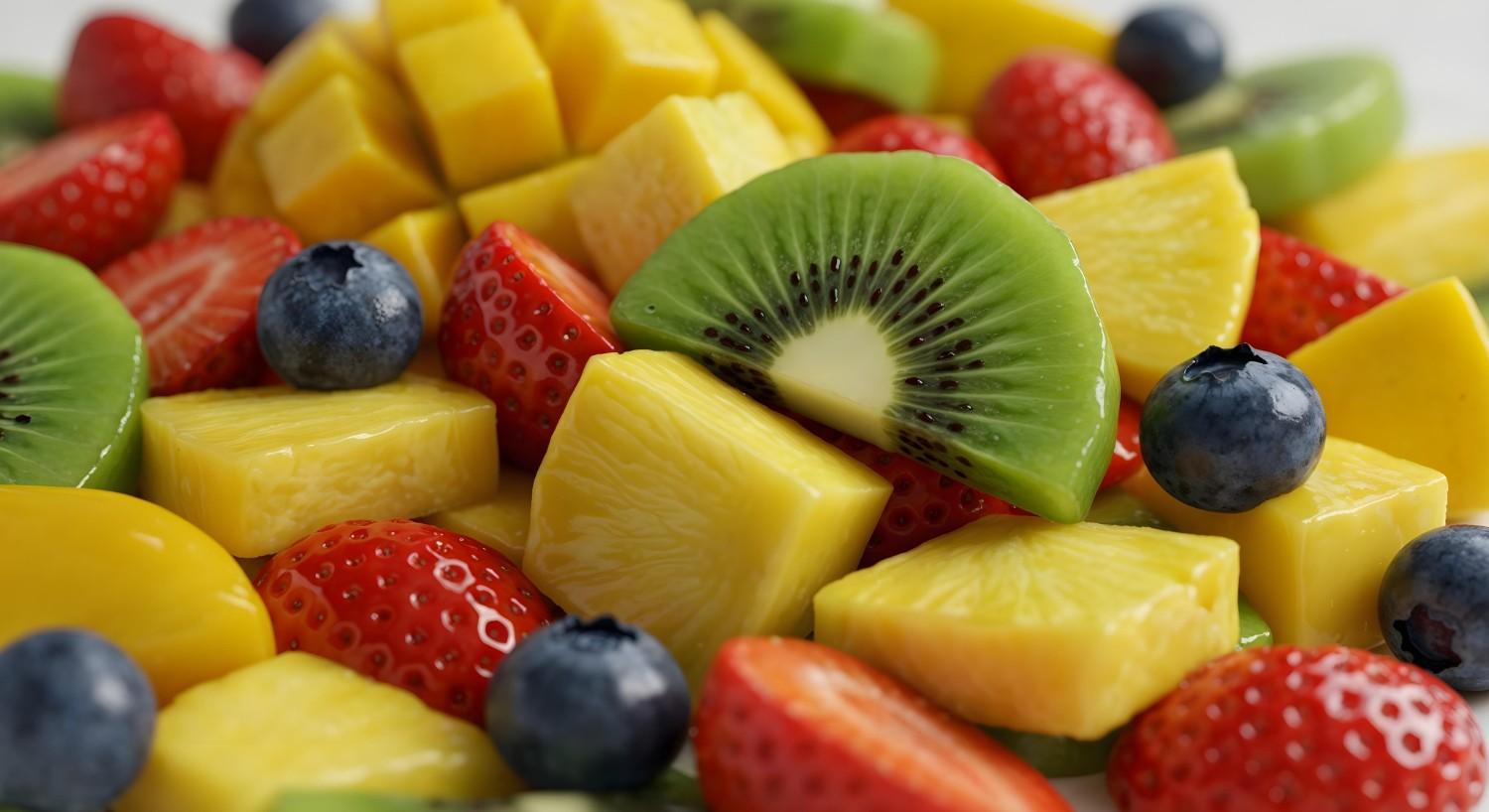
While it’s important to limit highly processed foods that are high in sugar and unhealthy fats, not all processed foods are created equal. For example, frozen fruits and vegetables retain their nutrients and can be a convenient and healthy option.
Takeaway: Read labels and choose minimally processed foods when possible.
5 Practical Tips for Healthy Eating
-
Plan Your Meals:
Take an hour each week to plan your meals. This not only saves time but also helps you make healthier choices. When you have a plan, you’re less likely to grab unhealthy snacks or fast food on a whim. -
Shop the Perimeter of the Store:
Grocery stores are typically designed with fresh produce, dairy, and meats around the perimeter. The inner aisles often contain processed foods. Stick to the edges for healthier options. -
Portion Control:
Use smaller plates and bowls to help control portion sizes. It’s a simple trick that can help you eat less without feeling deprived. -
Stay Hydrated:
Sometimes we confuse thirst with hunger. Drinking enough water can help you feel full and reduce unnecessary snacking. -
Mindful Eating:
Slow down and savor your food. Eating mindfully can help you recognize when you’re full and prevent overeating.
Cultural and Historical Context
Eating habits vary greatly across cultures, often influenced by geography, climate, and tradition. For example, the Mediterranean diet, rich in fruits, vegetables, fish, and healthy fats, has been associated with a lower risk of heart disease. This diet emphasizes fresh, whole foods and is a great example of how cultural practices can lead to healthier eating patterns.
In contrast, the Western diet, characterized by high consumption of red meats, processed foods, and sugary snacks, has been linked to various health issues, including obesity and diabetes. Understanding these cultural influences can help us appreciate the diversity of healthy eating patterns around the world.
Case Study: The Mediterranean Diet
The Mediterranean diet serves as an excellent case study for healthy eating. Research has shown that individuals who follow this diet have a lower risk of heart disease and other chronic conditions. A study published in the New England Journal of Medicine (Sofi et al., 2010) found that participants who adhered to a Mediterranean diet experienced a 30% reduction in cardiovascular events compared to those on a low-fat diet.
Key Components of the Mediterranean Diet:
- Fruits and Vegetables: A wide variety of colorful produce is encouraged.
- Whole Grains: Foods like whole wheat bread, brown rice, and quinoa are staples.
- Healthy Fats: Olive oil is the primary source of fat, along with nuts and seeds.
- Fish and Poultry: These are preferred over red meats, which are consumed in moderation.
- Dairy: Cheese and yogurt are included, but in moderation.
Myth-Busting: The Power of Protein
Let’s talk about protein. Some folks believe that eating more protein is the key to weight loss and muscle gain. While it’s true that protein is important, the type and source matter.
Myth: Eating more protein will automatically lead to weight loss and muscle gain.
Truth: Quality over quantity is key.
A study published in the American Journal of Clinical Nutrition (Paddon-Jones et al., 2008) found that while higher protein intake can help preserve muscle mass during weight loss, it’s not a magic bullet. Balancing protein with healthy carbohydrates and fats is crucial for overall health.
Takeaway: Incorporate a variety of protein sources, including plant-based options like beans and lentils, into your diet.
Q&A Conversational Guide
Q: How do I start eating healthier?
A: Begin with small changes. Start by incorporating more fruits and vegetables into your meals and gradually replace processed foods with whole foods.
Q: Are all fats bad?
A: No! Focus on healthy fats like those found in avocados, nuts, and olive oil, while limiting saturated and trans fats.
Q: What about sugar?
A: While it’s wise to limit added sugars, naturally occurring sugars in fruits and dairy are generally fine in moderation.
Q: Is it okay to indulge sometimes?
A: Absolutely! It’s all about balance. Enjoying treats occasionally can help you stick to a healthy eating plan long-term.
Step-by-Step Walkthrough: Creating a Balanced Meal
- Choose a Base: Start with a whole grain, like quinoa or brown rice.
- Add Protein: Include a source of protein, such as grilled chicken, tofu, or beans.
- Load Up on Veggies: Fill half your plate with colorful vegetables, either raw or cooked.
- Incorporate Healthy Fats: Drizzle with olive oil or add avocado for healthy fats.
- Finish with Flavor: Use herbs, spices, or a squeeze of lemon to enhance flavor without adding extra calories.
Conclusion: The Journey to Healthier Eating
Eating healthy doesn’t have to be complicated or restrictive. By debunking common myths, understanding the cultural context of food, and implementing practical tips, you can cultivate a more balanced relationship with food. Remember, it’s about progress, not perfection.
Ultimately, being mindful of what you eat and making informed choices will lead to a healthier lifestyle. So the next time you hear a piece of dietary advice, ask yourself: Is it myth or truth? Your body will thank you for the effort.
References
-
Paddon-Jones, D., Westman, E. C., Mattes, R. D., et al. (2008). Protein, weight management, and satiety. American Journal of Clinical Nutrition, 87(5), 1558S-1561S. Link
-
Sofi, F., Abbate, R., Gensini, G. F., & Casini, A. (2010). Accruing evidence on benefits of adherence to the Mediterranean diet on health: A systematic review and meta-analysis. New England Journal of Medicine, 363(14), 1388-1399. Link
-
Mayo Clinic. (n.d.). Healthy diet: 10 tips for success. Retrieved from Mayo Clinic
-
National Institutes of Health. (n.d.). Eating well: A guide to healthy eating. Retrieved from NIH
By understanding the science behind healthy eating and applying these practical tips, you can take control of your health and well-being, one meal at a time.
Get Your FREE Natural Health Guide!
Subscribe now and receive our exclusive ebook packed with natural health tips, practical wellness advice, and easy lifestyle changes, delivered straight to your inbox.