
Basil, often celebrated for its aromatic presence in culinary dishes, holds a treasure trove of benefits that extend beyond flavor enhancement. Eye health, a critical aspect of overall wellness, is often overlooked in discussions about nutrition. Many people are unaware of the natural compounds found in basil that can contribute to improved vision. With increasing screen time and environmental factors, maintaining optimal eye health has never been more crucial.

Incorporating basil into your diet may provide surprising benefits for your eyes. This herb, rich in antioxidants and anti-inflammatory properties, offers a holistic approach to supporting vision. Understanding how basil can be a natural ally in preserving eye health can empower individuals to make informed dietary choices.
This guide delves into five unexpected ways basil can boost eye vision naturally. From its high levels of vitamin A to its role in protecting against oxidative stress, basil presents a multifaceted approach to eye care. By exploring practical applications, scientific evidence, and common mistakes, you can harness the power of this herb effectively.
As you embark on this journey to better eye health, consider the simple yet profound impact that incorporating basil into your daily routine can have. The following sections will provide you with actionable strategies and insights to improve your vision naturally through the use of basil.
Contents
How to Use Basil for Real Results
- Best Form: Fresh basil leaves or dried basil supplements
- Best Time: Daily incorporation into meals or as a tea
- Expected Result: Enhanced vision clarity and reduced eye strain
For Daily Protection
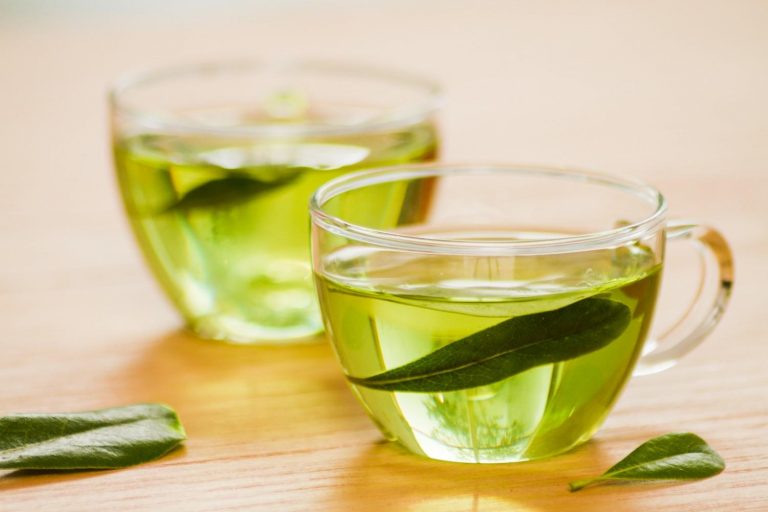
The Prep: Begin with fresh basil leaves, ideally organic, to maximize nutrient intake. You will need approximately a handful of leaves and a cup of water for a refreshing basil tea. Gather a teapot and a strainer for easy preparation.
The Action: Boil the water in your teapot. Once boiling, remove it from heat and add the fresh basil leaves. Allow the mixture to steep for about 10 minutes. Strain the leaves and pour the tea into a cup. For added flavor and benefits, consider adding a squeeze of lemon or a drizzle of honey.
The Feeling: Upon sipping the tea, you may notice a gentle warmth and a refreshing herbal flavor. The experience is soothing, and the effects can linger, providing comfort and clarity for your eyes. Consuming this tea regularly can help protect against oxidative stress.
Pro Tip: Brew a larger batch and store it in the fridge for a quick, refreshing drink throughout the week.
Enhancing Eye Comfort
The Prep: Prepare a basil-infused oil to soothe tired eyes. You will need fresh basil, olive oil, and a small glass jar. Start with a quarter cup of fresh basil leaves and half a cup of olive oil.
The Action: Chop the basil leaves finely and combine them with olive oil in the glass jar. Seal the jar tightly and place it in a sunny spot for about a week, allowing the oil to absorb the beneficial properties of the basil. After a week, strain the mixture to separate the oil from the leaves.
The Feeling: When applying the infused oil to your eyelids, you might feel a calming sensation. The oil can help hydrate the delicate skin around your eyes, reducing puffiness and discomfort. This soothing treatment can be repeated as needed.
Pro Tip: Use this basil oil as a part of your nighttime routine for added relaxation before sleep.
Fighting Eye Fatigue
The Prep: Create a basil smoothie packed with nutrients that support eye health. Gather fresh basil, spinach, banana, and almond milk. Use a handful of basil leaves and spinach, one banana, and a cup of almond milk.
The Action: In a blender, combine the basil, spinach, banana, and almond milk. Blend until smooth. This nutrient-rich smoothie can be enjoyed as a breakfast option or a mid-afternoon snack.
The Feeling: Upon consuming the smoothie, you will likely notice a refreshing burst of flavor. The combination of ingredients helps combat fatigue and provides sustained energy throughout the day, supporting your overall eye health.
Pro Tip: Add a tablespoon of chia seeds for an extra boost of omega-3 fatty acids, which are beneficial for eye health.
Common Mistakes to Avoid
Using Low Quality Herbs
Using low-quality basil can significantly diminish the potential health benefits. Many commercially available herbs may be treated with pesticides or stored improperly, leading to a loss of nutrients and potency. When selecting basil, prioritize fresh, organic varieties or reputable supplements that ensure quality.
Opting for dried basil is also an option, but be cautious about the source. Poorly stored dried herbs can lose their flavor and health benefits over time. Always check expiration dates and choose products from trusted brands.
Neglecting Consistency
Incorporating basil into your diet sporadically may not yield significant benefits for eye health. Consistency is key to experiencing the full range of advantages that basil offers. Establishing a routine that includes basil can help maintain optimal eye function.
Consider setting a goal to include basil in your meals at least three to four times a week. This can be as simple as adding fresh basil to salads, soups, or smoothies. Regular consumption ensures that your body receives a steady supply of the nutrients required for eye health.
Ignoring Other Nutritional Factors
Focusing solely on basil while neglecting a balanced diet can lead to suboptimal results. While basil is beneficial, it should complement a variety of foods rich in vitamins and minerals essential for eye health. Nutrients such as omega-3 fatty acids, vitamins C and E, and zinc play vital roles in maintaining vision.
Incorporate a range of colorful fruits and vegetables along with healthy fats and proteins into your diet. This holistic approach ensures that you receive the comprehensive nutritional support needed for optimal eye care.
The Mechanism Behind Eye Health
Basil contains several compounds that contribute to eye health. One of the primary mechanisms is its rich antioxidant profile. Antioxidants help neutralize free radicals in the body, reducing oxidative stress that can damage eye cells. This protective function is crucial in preventing age-related macular degeneration and other vision-related issues.
One of the key compounds in basil is lutein, a carotenoid that plays a significant role in eye health. Lutein is known for its ability to filter harmful blue light and protect the retina from damage. Regular consumption of lutein-rich foods, including basil, can enhance visual acuity and reduce the risk of chronic eye diseases.
Clinical studies have demonstrated the positive effects of basil on eye health. Research indicates that herbs like basil can improve visual function and reduce symptoms of eye strain. For more detailed research findings, refer to studies available on PubMed.
Choosing the Right Product
– **Potency:** Look for products that specify the concentration of active compounds. Higher potency often correlates with greater effectiveness in promoting eye health.
-
Purity: Select organic or non-GMO basil to avoid harmful pesticides and chemicals. Ensuring purity is crucial for reaping the full benefits of basil.
-
Form: Decide between fresh, dried, or supplement forms based on your lifestyle and preferences. Fresh basil offers vibrant flavor and nutrients, while supplements provide convenience for those with busy schedules.
Benefits vs Risks
| The Benefits | Potential Downsides |
|---|---|
| Rich in antioxidants that protect against oxidative stress. | Overconsumption may lead to digestive discomfort. |
| Contains vitamins and minerals essential for eye health. | Some individuals may be allergic to basil. |
| Supports overall health and well-being. | Quality can vary significantly between products. |
Habits for Enhanced Eye Health
Incorporating regular eye exercises can complement the benefits of basil. Simple exercises such as focusing on distant objects and performing eye rotations can improve eye muscle strength and flexibility. Pair these exercises with a diet rich in eye-friendly nutrients for optimal results.
Maintaining proper hydration is equally important. Drinking adequate water helps keep the eyes moist and reduces dryness. Pairing basil-rich meals with sufficient water intake supports overall eye comfort and function.
Who Should Avoid This?
– Individuals with allergies to basil or other herbs.
– Those taking anticoagulant medications should consult with a healthcare provider before consuming basil regularly.
– Pregnant or breastfeeding women should seek guidance regarding the use of herbal supplements, including basil.
Common Questions
Can basil really improve my vision?
Basil contains nutrients that support eye health, but it should be part of a balanced diet for optimal results.
How often should I consume basil for eye health?
Regular consumption, three to four times a week, is recommended to maximize its benefits.
Is it safe to take basil supplements?
Consult with a healthcare professional before starting any supplement, especially if you have existing health conditions.
Can I use basil topically on my eyes?
Using basil-infused oils can soothe the skin around the eyes but avoid direct contact with the eyes themselves.
The Bottom Line
Basil offers a natural way to support eye health through its rich nutrient profile.
- The Truth: While beneficial, basil alone cannot replace professional eye care.
- The Strategy: Incorporate basil into meals regularly for maximum benefits.
- The Next Step: Explore additional eye-care habits, such as regular eye exercises.
Get Your FREE Natural Health Guide!
Subscribe now and receive our exclusive ebook packed with natural health tips, practical wellness advice, and easy lifestyle changes, delivered straight to your inbox.