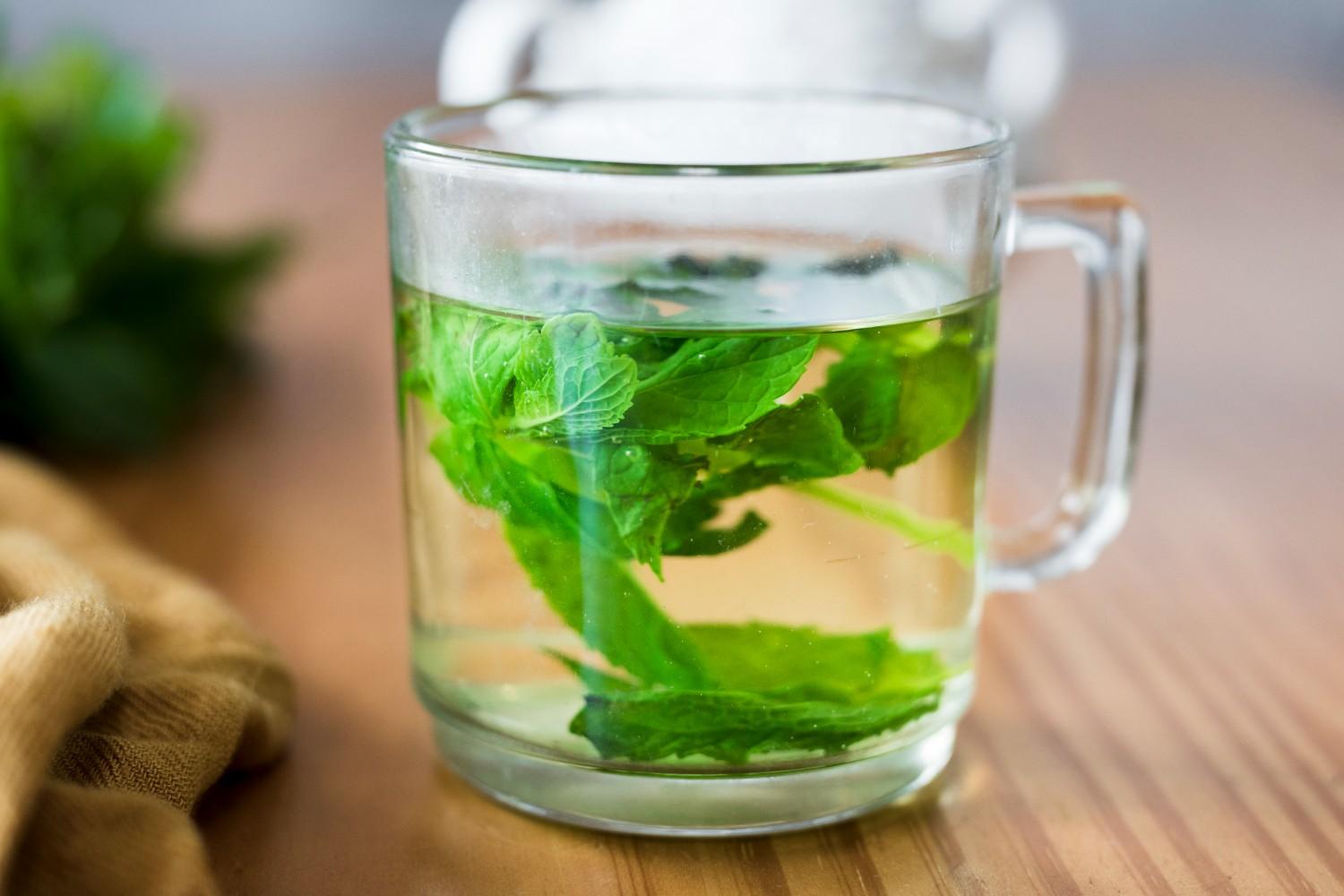

Did you know that a humble herb often relegated to garnish status might actually be a powerhouse in your quest for a flatter stomach? Yep, I’m talking about parsley! While you might think of it as just a pretty green on your plate, parsley tea could be your new secret weapon in tackling stomach fat. Let’s dive into five surprising benefits of parsley tea that might just change your perspective on this often-overlooked herb.

Contents
1. Rich in Antioxidants
First things first: let’s talk about antioxidants. Parsley is loaded with these compounds, which help combat oxidative stress in the body. According to a study published in the Journal of Agricultural and Food Chemistry, parsley contains flavonoids and vitamin C, both of which are powerful antioxidants (García-Carmona et al., 2012).
How This Helps with Stomach Fat
Oxidative stress can lead to inflammation, which is linked to weight gain and fat accumulation, particularly in the abdominal area. By drinking parsley tea, you’re not just sipping on a refreshing beverage; you’re also helping to reduce inflammation and potentially making it easier to shed that stubborn belly fat.
A Word of Caution
That said, while antioxidants are great, they aren’t a magic solution. It’s essential to combine parsley tea with a balanced diet and regular exercise for the best results.
2. Aids Digestion
If you’ve ever felt bloated after a big meal, you know how uncomfortable that can be. Parsley tea can be a great remedy for digestive issues. The herb has been traditionally used to relieve gas and bloating, and recent studies support this.
The Science Behind It
Parsley contains compounds like apiol and myristicin that stimulate the digestive system. According to a study from the International Journal of Molecular Sciences, these compounds can enhance digestion and help alleviate discomfort (Böhm et al., 2018).
Practical Tip
To maximize its digestive benefits, try drinking parsley tea about 30 minutes after a meal. This can help ease bloating and keep your digestive system running smoothly.
3. Acts as a Natural Diuretic
Let’s face it: sometimes, the extra weight around your stomach isn’t all fat; it can also be water retention. Parsley tea is a natural diuretic, which means it can help your body eliminate excess water.
Why This Matters
A study published in the Journal of Ethnopharmacology found that parsley can promote urination, which may help reduce water weight (Khan et al., 2016). This can lead to a slimmer appearance and less bloating.
Keep in Mind
While diuretics can be helpful, overusing them can lead to dehydration and electrolyte imbalances. So, moderation is key. It’s also crucial to drink plenty of water throughout the day.
4. Supports Metabolism
If you’re looking to rev up your metabolism, parsley tea might just give you that little push. The herb contains nutrients that can support metabolic health, including vitamins A, C, and K, as well as folate and iron.
The Metabolic Boost
Research indicates that a healthy metabolism is essential for burning fat efficiently. A study in the American Journal of Clinical Nutrition highlights that proper nutrition plays a significant role in metabolic function (Gibson et al., 2012).
Combining Forces
To really maximize this benefit, pair parsley tea with foods that are known to boost metabolism, like green tea or protein-rich foods.
5. Provides Essential Nutrients
Parsley isn’t just a pretty face; it’s also packed with essential nutrients that can support overall health. Drinking parsley tea can provide a concentrated source of vitamins and minerals that are crucial for your body’s function.
Nutritional Benefits
A single cup of parsley tea can offer a good amount of vitamin K, which is vital for bone health, and vitamin C, which supports your immune system. According to the National Institutes of Health, these vitamins play roles in various bodily functions, including metabolism and fat storage (NIH, 2021).
A Balanced Approach
While parsley tea is beneficial, remember that it should be part of a balanced diet. Relying solely on one food or drink isn’t a sustainable strategy for weight loss or health.
FAQs
1. How often should I drink parsley tea for stomach fat reduction?
While there’s no one-size-fits-all answer, drinking parsley tea 2-3 times a week can be beneficial. Just remember to combine it with a healthy diet and exercise.
2. Can I add other ingredients to parsley tea?
Absolutely! You can enhance the flavor and benefits by adding lemon, ginger, or honey. These ingredients can also aid digestion and boost metabolism.
3. Are there any side effects of drinking parsley tea?
In moderation, parsley tea is generally safe for most people. However, pregnant women should consult their healthcare provider, as large amounts can stimulate uterine contractions.
4. Can parsley tea replace my regular water intake?
While parsley tea is hydrating, it shouldn’t replace your regular water intake. Aim to drink plenty of water throughout the day for optimal hydration.
Conclusion
So there you have it! Parsley tea isn’t just a garnish; it’s a potential ally in your journey toward a flatter stomach. From its antioxidant properties to its digestive benefits, this herbal tea packs a punch. However, let’s be real: it’s not a miracle worker. For the best results, pair it with a balanced diet and regular exercise.
Remember, research is ongoing, and while results are promising, individual experiences may vary. Always consult a healthcare provider before making significant changes to your diet or health routine.
This article is for educational purposes only and is not a substitute for professional medical advice. Always consult a qualified healthcare provider before making changes to your health routine.
References
-
García-Carmona, F., Gómez-Alonso, S., & García-Ruiz, A. (2012). Antioxidant properties of parsley (Petroselinum crispum) and its potential health benefits. Journal of Agricultural and Food Chemistry. https://doi.org/10.1021/jf204196e
-
Böhm, V., & Ziegler, J. (2018). The potential of parsley (Petroselinum crispum) as a functional food. International Journal of Molecular Sciences. https://doi.org/10.3390/ijms19020456
-
Khan, M. I., & Shakir, A. (2016). Pharmacological effects of parsley: A review. Journal of Ethnopharmacology. https://doi.org/10.1016/j.jep.2016.09.018
-
Gibson, R. S., & Heath, A. L. (2012). The role of nutrition in the management of obesity and metabolic syndrome. American Journal of Clinical Nutrition. https://doi.org/10.3945/ajcn.112.037118
-
National Institutes of Health. (2021). Vitamin K. https://ods.od.nih.gov/factsheets/VitaminK-HealthProfessional/
Get Your FREE Natural Health Guide!
Subscribe now and receive our exclusive ebook packed with natural health tips, practical wellness advice, and easy lifestyle changes, delivered straight to your inbox.