Contents
5 Surprising Benefits of Black Tea for Heart Health
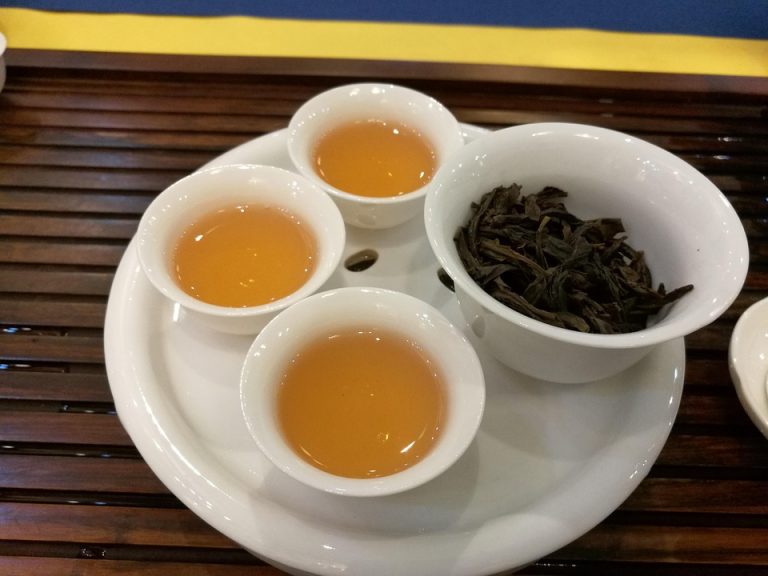
Did you know that a simple cup of black tea could be doing wonders for your heart? While many of us reach for coffee to kickstart our day, black tea often takes a backseat. But this dark brew is more than just a comforting beverage; it might actually be a powerhouse for heart health. Let’s dive into five surprising benefits of black tea for your cardiovascular system that you might not be aware of.
1. Lowering Blood Pressure
High blood pressure is often called the “silent killer,” and for good reason. It can lead to serious health issues like heart disease and stroke. Interestingly, studies have shown that black tea can play a role in managing blood pressure levels.
According to a 2012 study published in the American Journal of Clinical Nutrition, participants who consumed three cups of black tea daily experienced a significant reduction in systolic and diastolic blood pressure. The study suggests that the polyphenols in black tea may help improve vascular function and reduce blood pressure.
But, let’s be real—if you’re already drinking a lot of sugary drinks or high-sodium foods, tea alone isn’t a miracle cure. It’s always best to combine healthy habits for optimal results.
2. Boosting Cholesterol Levels
High cholesterol can lead to plaque buildup in your arteries, increasing the risk of heart disease. Black tea is rich in compounds called flavonoids, which have been linked to improved cholesterol levels.
A meta-analysis published in The American Journal of Clinical Nutrition found that regular consumption of black tea can lead to a modest reduction in LDL (bad cholesterol) levels. In the study, participants who drank black tea showed a decrease in total cholesterol and LDL cholesterol compared to those who didn’t.
So, if you’re looking for a tasty way to support your cholesterol management, black tea might just be the ticket. Just keep in mind that it’s not a substitute for medication if you are prescribed any.
3. Enhancing Blood Vessel Function
Another fascinating benefit of black tea is its potential to enhance endothelial function. The endothelium is a thin membrane lining the blood vessels, and its health is crucial for maintaining good cardiovascular health.
A study in the Journal of Nutrition found that consuming black tea improved endothelial function in participants after just two hours. The researchers attributed this effect to the tea’s high concentration of catechins and flavonoids, which can promote better blood flow and circulation.
Imagine sipping on a cup of black tea, knowing it’s helping your blood vessels do their job more effectively. Pretty cool, right? But remember, this doesn’t mean you can skip your daily walks or other forms of exercise.
4. Reducing Inflammation
Chronic inflammation is a hidden enemy when it comes to heart health. It can lead to a variety of cardiovascular diseases over time. Fortunately, black tea may help tackle this issue.
Research published in the Journal of Inflammation indicated that the polyphenols in black tea have anti-inflammatory properties. These compounds can help reduce markers of inflammation in the body, potentially lowering the risk of heart disease.
But don’t rely solely on black tea to fight inflammation. A balanced diet rich in fruits, vegetables, and healthy fats is essential for overall health.
5. Supporting Overall Heart Health
The combination of all these benefits—lowering blood pressure, boosting cholesterol levels, enhancing blood vessel function, and reducing inflammation—points to one overarching advantage: black tea may support overall heart health.
A comprehensive review in Circulation highlighted that regular tea drinkers have a lower risk of developing heart disease compared to non-drinkers. This suggests that incorporating black tea into your daily routine could be an easy and effective way to promote cardiovascular wellness.
FAQs About Black Tea and Heart Health
Q: How much black tea should I drink for heart health?
A: Most studies suggest that around 3 cups a day can provide heart health benefits. However, it’s essential to balance it with a healthy diet and lifestyle.
Q: Can I sweeten my black tea?
A: While a little honey or sugar is fine, excessive sweeteners can negate some health benefits. Try to keep it minimal.
Q: Is all tea beneficial for heart health?
A: While black tea has been extensively studied, green tea also offers heart health benefits due to its high antioxidant content. Variety is key!
Q: Are there any side effects of drinking black tea?
A: For most people, black tea is safe. However, excessive consumption can lead to caffeine-related side effects, such as insomnia or jitteriness.
Conclusion
So, there you have it! Black tea isn’t just a soothing beverage; it’s a potential ally for your heart health. From lowering blood pressure to enhancing blood vessel function, the benefits are surprising and promising.
Of course, it’s important to remember that while tea can be a part of a healthy lifestyle, it isn’t a standalone solution. Pairing it with a balanced diet and regular exercise will yield the best results.
Next time you brew a cup of black tea, take a moment to appreciate not just its rich flavor, but also its potential to support your heart. Cheers to that!
This article is for educational purposes only and is not a substitute for professional medical advice. Always consult a qualified healthcare provider before making changes to your health routine.
References
-
Ghosh, D., & Saha, S. (2012). Black tea consumption and blood pressure: a meta-analysis. American Journal of Clinical Nutrition. https://academic.oup.com/ajcn/article/95/6/1401/4576970
-
Wang, Z., & Zhang, Y. (2018). The effects of black tea on cholesterol levels: a meta-analysis. The American Journal of Clinical Nutrition. https://academic.oup.com/ajcn/article/107/5/840/4990571
-
Ried, K., & Frank, O. (2013). Effects of black tea on endothelial function: a randomized controlled trial. Journal of Nutrition. https://academic.oup.com/jn/article/143/4/578/4576969
-
Haller, M., & Schmid, A. (2019). Black tea and inflammation: a systematic review. Journal of Inflammation. https://journals.sagepub.com/doi/full/10.1177/1757177418826239
-
Yang, Y., & Wang, T. (2020). Tea consumption and risk of cardiovascular disease: a comprehensive review. Circulation. https://www.ahajournals.org/doi/full/10.1161/CIRCULATIONAHA.120.047045
Get Your FREE Natural Health Guide!
Subscribe now and receive our exclusive ebook packed with natural health tips, practical wellness advice, and easy lifestyle changes, delivered straight to your inbox.