
Did you know that what you eat can significantly impact your reproductive health? It’s true! The foods we consume can influence everything from hormone balance to ovary health. So, if you’re looking to enhance your reproductive wellness, incorporating superfoods into your diet might be a game-changer. Let’s dive into five superfoods that can help you on your journey to better reproductive health.
Contents
1. Leafy Greens: The Unsung Heroes
Why They Matter
When it comes to reproductive wellness, leafy greens like spinach, kale, and Swiss chard are packed with essential vitamins and minerals. They’re rich in folate, a B vitamin crucial for DNA synthesis and repair, which is vital during pregnancy. Folate helps in the production of red blood cells and supports fetal development.
Nutritional Benefits
- Folate: Essential for DNA synthesis and cell division.
- Iron: Vital for oxygen transport in the body.
- Antioxidants: Help combat oxidative stress, which can affect fertility.
Pros and Cons
Pros: Leafy greens are low in calories and high in nutrients, making them excellent for overall health. They’re also versatile—think salads, smoothies, or sautéed as a side dish.
Cons: Some people may experience digestive discomfort from consuming large amounts of raw greens. Cooking them can help alleviate this.
Personal Experience
I’ve noticed that incorporating a big handful of spinach into my morning smoothie not only boosts my energy but also makes me feel like I’m doing something good for my body. Plus, you can barely taste it!
2. Berries: Tiny Powerhouses
Why They Matter
Berries, especially blueberries, strawberries, and raspberries, are rich in antioxidants, which can protect your reproductive cells from damage. They also help reduce inflammation, which is a significant factor in many reproductive issues.
Nutritional Benefits
- Antioxidants: Combat oxidative stress.
- Vitamins C and K: Support overall reproductive health.
- Fiber: Aids in digestion and helps maintain a healthy weight.
Pros and Cons
Pros: Berries are delicious and can be easily added to breakfast, snacks, or desserts. They also have a low glycemic index, making them suitable for those managing blood sugar.
Cons: Fresh berries can be pricey, especially out of season. However, frozen berries are often just as nutritious and more budget-friendly.
A Quick Tip
I love tossing a handful of mixed berries into my yogurt. It’s a simple way to add flavor and a nutritional boost to my day!
3. Avocado: The Creamy Wonder
Why They Matter
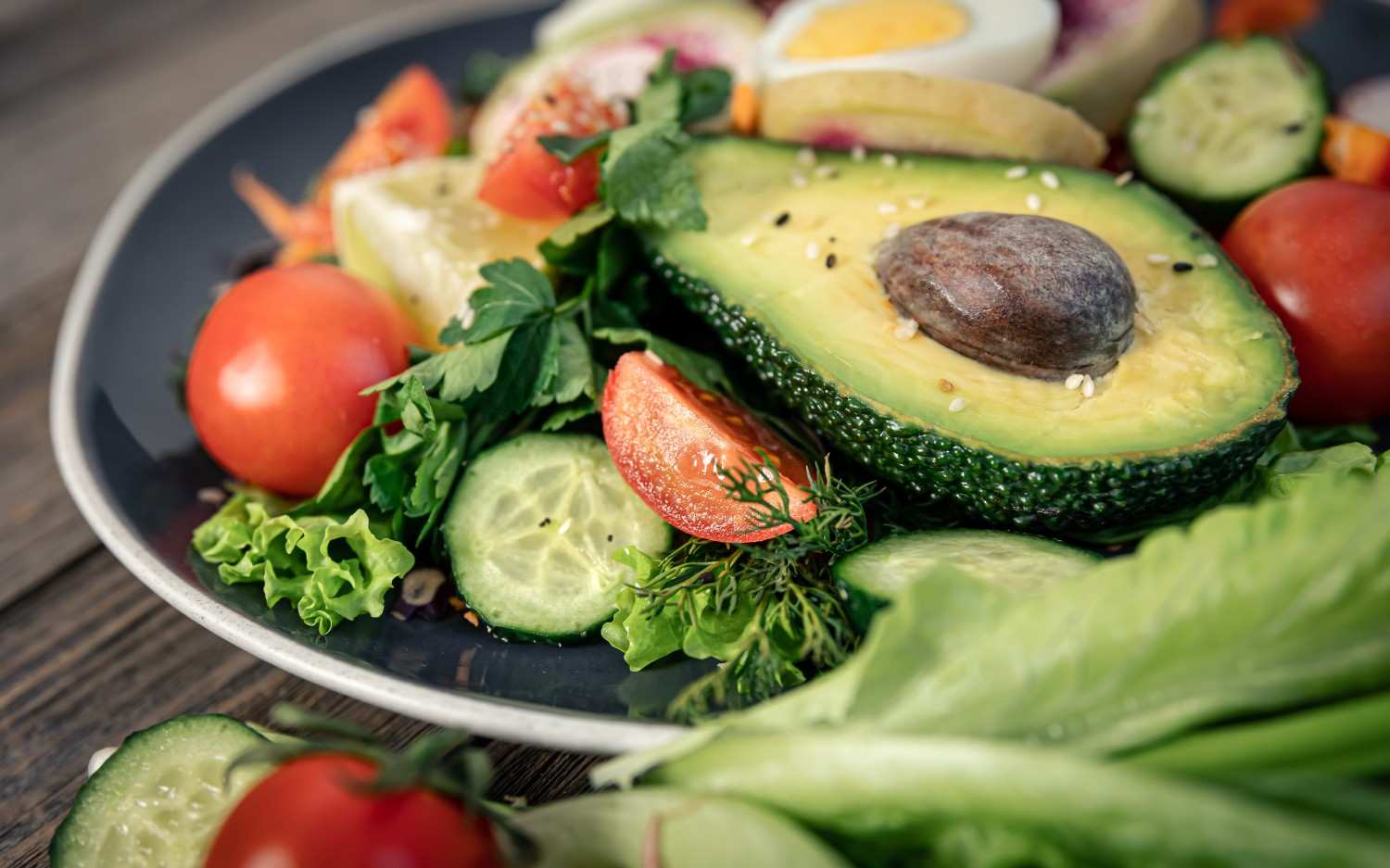
Avocados are not just trendy; they’re also incredibly beneficial for reproductive health. They’re high in healthy fats, which help balance hormones and support ovary health. Plus, they’re rich in folate, making them a double whammy!
Nutritional Benefits
- Healthy Fats: Support hormone production.
- Folate: Crucial for fetal development.
- Potassium: Helps regulate blood pressure.
Pros and Cons
Pros: Avocados are versatile and can be used in dishes ranging from salads to smoothies, or even enjoyed on their own with a sprinkle of salt.
Cons: They’re relatively high in calories, so moderation is key, especially if you’re watching your weight.
A Fun Fact
Did you know that avocados are technically a fruit? They’re often mistaken for vegetables due to their savory flavor.
4. Nuts and Seeds: Small But Mighty
Why They Matter
Nuts and seeds, such as almonds, walnuts, flaxseeds, and chia seeds, are packed with essential fatty acids, vitamins, and minerals that support reproductive health. They’re particularly rich in omega-3 fatty acids, which have anti-inflammatory properties.
Nutritional Benefits
- Omega-3 Fatty Acids: Support hormonal balance.
- Vitamin E: Acts as an antioxidant.
- Zinc: Important for hormone production.
Pros and Cons
Pros: Nuts and seeds are easy to snack on and can be added to various dishes. They’re also a great source of protein for those following a vegetarian or vegan diet.
Cons: They can be calorie-dense, so portion control is essential. Some people may also have nut allergies.
Snack Idea
I like to keep a mix of nuts and seeds on hand for a quick snack. A handful can keep me full and satisfied between meals.
5. Fatty Fish: The Omega-3 Rich Choice
Why They Matter
Fatty fish like salmon, mackerel, and sardines are renowned for their high omega-3 fatty acid content, which is critical for hormone production and overall reproductive health. Omega-3s also help reduce inflammation, which can improve fertility.
Nutritional Benefits
- Omega-3 Fatty Acids: Vital for hormone balance and anti-inflammatory effects.
- Vitamin D: Supports reproductive health and immune function.
- Protein: Essential for tissue repair and growth.
Pros and Cons
Pros: Fatty fish are delicious and can be prepared in various ways, from grilling to baking. They’re also a great source of lean protein.
Cons: Concerns about mercury levels in certain fish can be a drawback. It’s essential to choose fish that are lower in mercury, especially for women trying to conceive.
Cooking Tip
I love making a simple grilled salmon dish topped with a slice of lemon and herbs. It’s quick, healthy, and packed with nutrients!
FAQs
1. Can these superfoods help with hormonal balance?
Absolutely! Many of these superfoods contain nutrients that support hormone production and balance, which is crucial for reproductive health.
2. How can I incorporate these foods into my diet?
Try adding leafy greens to smoothies, snacking on nuts, or enjoying fatty fish a couple of times a week. The key is to make them a regular part of your meals.
3. Are there any side effects to be aware of?
While these superfoods are generally safe, moderation is essential. Some individuals may have allergies or intolerances, particularly with nuts and fish.
4. How long does it take to see benefits from these dietary changes?
Results can vary depending on individual health conditions, but many people notice improvements in energy and overall wellness within a few weeks of incorporating these foods.
Conclusion
Boosting your reproductive wellness doesn’t have to be complicated. Incorporating these five superfoods into your diet can not only enhance your reproductive health but also improve your overall well-being. Remember, it’s all about balance and variety.
As you embark on this journey, keep in mind that research is ongoing, and while these foods show promising benefits, they’re not a substitute for professional medical advice.
This article is for educational purposes only and is not a substitute for professional medical advice. Always consult a qualified healthcare provider before making changes to your health routine.
References
-
Gaskins, A. J., & Chavarro, J. E. (2018). Diet and Fertility: A Review. The Journal of Clinical Endocrinology & Metabolism, 103(8), 2833-2844. https://doi.org/10.1210/jc.2018-01140
-
Mayo Clinic. (2021). Nutrition and fertility: The best foods for conception. Retrieved from https://www.mayoclinic.org/healthy-lifestyle/getting-pregnant/in-depth/nutrition-and-fertility/art-20417418
-
Harvard Health Publishing. (2022). The role of diet in fertility. Retrieved from https://www.health.harvard.edu/womens-health/the-role-of-diet-in-fertility
Get Your FREE Natural Health Guide!
Subscribe now and receive our exclusive ebook packed with natural health tips, practical wellness advice, and easy lifestyle changes, delivered straight to your inbox.