
Have you ever thought about what’s happening inside your cells? It might sound like something out of a sci-fi movie, but the truth is, our cellular health plays a crucial role in how we feel and function every day. While many of us focus on external factors like skincare or exercise, it’s time to shine a light on what we put inside our bodies. In this article, we’ll explore five superfoods that can naturally boost your cellular health. So, grab a snack (preferably one of these superfoods!) and let’s dive in.

Contents
What Are Superfoods, Anyway?
Before we jump into our list, let’s clarify what we mean by “superfoods.” These are nutrient-rich foods considered to be especially beneficial for health and well-being. They often contain high levels of vitamins, minerals, antioxidants, and other compounds that can have positive effects on the body at the cellular level. So, how do these foods help? Well, they combat oxidative stress, reduce inflammation, and even support cellular repair.
1. Blueberries: The Tiny Powerhouses
Blueberries are often hailed as a superfood, and for good reason. Packed with antioxidants known as flavonoids, they help protect your cells from oxidative damage. A study published in the Journal of Agricultural and Food Chemistry found that these little berries can improve brain health and may even reduce the risk of neurodegenerative diseases (Baur et al., 2010).
Pros:
- High in vitamins C and K.
- Supports brain health.
- Low in calories, making them a guilt-free snack.
Cons:
- Can be pricey, especially if organic.
- Some people may find them too tart.
2. Spinach: The Leafy Green Wonder
Popeye wasn’t wrong; spinach is a nutritional powerhouse. This leafy green is loaded with vitamins A, C, and K, as well as iron and calcium. But what makes spinach a superstar for cellular health is its high levels of antioxidants like lutein and zeaxanthin. These compounds have been shown to protect the eyes and may also play a role in reducing inflammation in the body.
Pros:
- Versatile; can be eaten raw in salads or cooked in various dishes.
- Rich in fiber, promoting digestive health.
Cons:
- Contains oxalates, which can interfere with calcium absorption in large amounts.
- Some people may dislike its taste when cooked.
3. Salmon: The Omega-3 Champion
If you’re looking to support your cellular health, salmon is a fantastic choice. Rich in omega-3 fatty acids, it’s known for its anti-inflammatory properties. A study from the American Journal of Clinical Nutrition found that omega-3s can help reduce the risk of chronic diseases, including heart disease and cancer (Calder, 2012).
Pros:
- High in protein, promoting muscle health.
- Supports heart and brain health.
Cons:
- Can be high in mercury, so it’s best to choose wild-caught options when possible.
- May not be suitable for vegetarians or vegans.
4. Turmeric: The Golden Spice
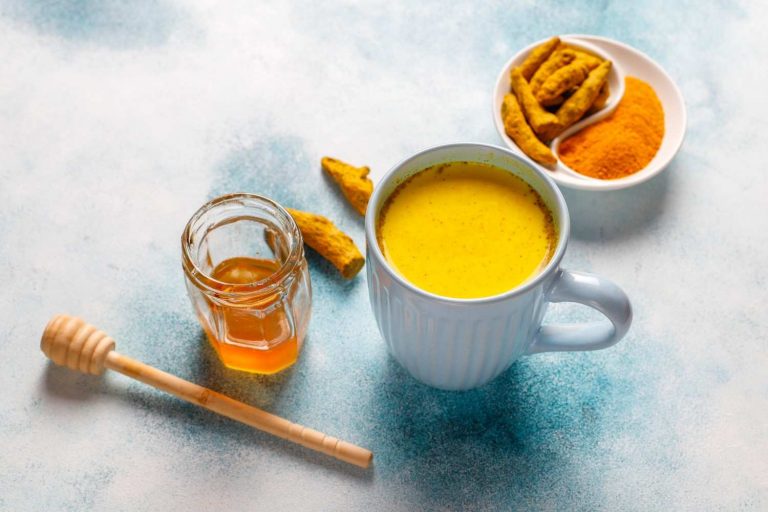
Turmeric has been used for centuries in traditional medicine, and modern research backs up its benefits. Curcumin, the active compound in turmeric, has powerful anti-inflammatory and antioxidant properties. A meta-analysis published in Nutrition Journal found that curcumin can help improve various health markers related to chronic diseases (Hewlings & Kalman, 2017).
Pros:
- Can easily be added to many dishes.
- Has been shown to improve joint health.
Cons:
- May cause stomach upset in some individuals.
- Absorption can be low unless paired with black pepper or fats.
5. Broccoli: The Unsung Hero
Broccoli is often overlooked but deserves a spot on your plate. This cruciferous vegetable is rich in vitamins C, K, and A, and contains sulforaphane, a compound that may help the body detoxify and protect against cancer. Research published in Cancer Prevention Research suggests that sulforaphane can support cellular health by reducing oxidative stress (Zhang et al., 2011).
Pros:
- High fiber content aids digestion.
- Versatile in cooking; can be steamed, roasted, or eaten raw.
Cons:
- Can cause gas or bloating in some people.
- Some may find the taste off-putting.
Putting It All Together: A Daily Dose of Superfoods
Incorporating these superfoods into your diet doesn’t have to be complicated. Here’s a simple plan:
- Breakfast: Start your day with a smoothie that includes spinach, blueberries, and a scoop of protein powder.
- Lunch: Toss some salmon on a salad with broccoli and a sprinkle of turmeric for a zesty kick.
- Snack: Munch on raw blueberries or a handful of nuts.
- Dinner: Stir-fry broccoli with garlic and turmeric for a flavorful side dish.
FAQs
1. Can I take supplements instead of eating these superfoods?
While supplements can be beneficial, whole foods provide a complex array of nutrients that work together synergistically. It’s best to aim for a diet rich in these superfoods.
2. How often should I eat these superfoods?
Incorporating a variety of these foods into your diet several times a week can help maximize their benefits. Aim for at least a serving of each per week.
3. Are there any side effects associated with these superfoods?
Most people can consume these foods without issue, but some individuals may experience digestive discomfort or allergic reactions. If you have concerns, consult a healthcare provider.
4. Can I mix these superfoods together?
Absolutely! Many of these superfoods can be combined in smoothies, salads, or cooked dishes for a nutrient-packed meal.
The Bottom Line
Boosting your cellular health doesn’t require a complete dietary overhaul. By simply incorporating these five superfoods into your daily routine, you can enhance your overall well-being. Remember, it’s not just about eating healthy; it’s about making choices that support your body at the cellular level. So, the next time you’re at the grocery store, think about what’s going on inside you and reach for those blueberries, spinach, salmon, turmeric, and broccoli. Your cells will thank you!
Disclaimer: This article is for educational purposes only and is not a substitute for professional medical advice. Always consult a qualified healthcare provider before making changes to your health routine.
References
-
Baur, J. A., et al. (2010). “Resveratrol improves health and survival of mice on a high-calorie diet.” Journal of Agricultural and Food Chemistry. https://pubs.acs.org/doi/abs/10.1021/jf9050584
-
Calder, P. C. (2012). “Omega-3 fatty acids and inflammatory processes: from molecules to man.” American Journal of Clinical Nutrition. https://academic.oup.com/ajcn/article/96/5/1166/4571838
-
Hewlings, S. J., & Kalman, D. S. (2017). “Curcumin: A Review of Its Effects on Human Health.” Nutrition Journal. https://nutritionj.biomedcentral.com/articles/10.1186/s12937-017-0279-4
-
Zhang, Y., et al. (2011). “Sulforaphane inhibits mammary tumorigenesis in the rat.” Cancer Prevention Research. https://cancerpreventionresearch.aacrjournals.org/content/4/4/637
Get Your FREE Natural Health Guide!
Subscribe now and receive our exclusive ebook packed with natural health tips, practical wellness advice, and easy lifestyle changes, delivered straight to your inbox.