Did you know that the foods you eat can influence your hormone levels? It’s true! Many people associate testosterone with muscle gain and energy, but it also plays a crucial role in mood, libido, and overall health. If you’re looking to give your testosterone levels a little nudge, you might want to check your spice rack. Today, we’re diving into five spices that can help boost testosterone, with a special focus on the role of cinnamon.



1. Cinnamon
The Sweet Spice with a Punch
Let’s kick things off with cinnamon. This aromatic spice isn’t just for your morning oatmeal or holiday desserts; it has some compelling research backing its role in testosterone enhancement. A study published in the Journal of the International Society of Sports Nutrition found that cinnamon can help increase testosterone levels in men by enhancing insulin sensitivity (Sahakian et al., 2015).
How It Works
Cinnamon’s antioxidant properties help reduce oxidative stress, which can negatively affect testosterone production. By improving insulin sensitivity, cinnamon may also play a role in weight management—another factor that can influence testosterone levels.
Pros and Cons
- Pros: Easy to incorporate into your diet; has additional health benefits like improved blood sugar control.
- Cons: Too much cinnamon can lead to liver damage due to coumarin, especially in Cassia cinnamon. Stick to moderation—about one teaspoon per day.
2. Ginger
A Zesty Powerhouse
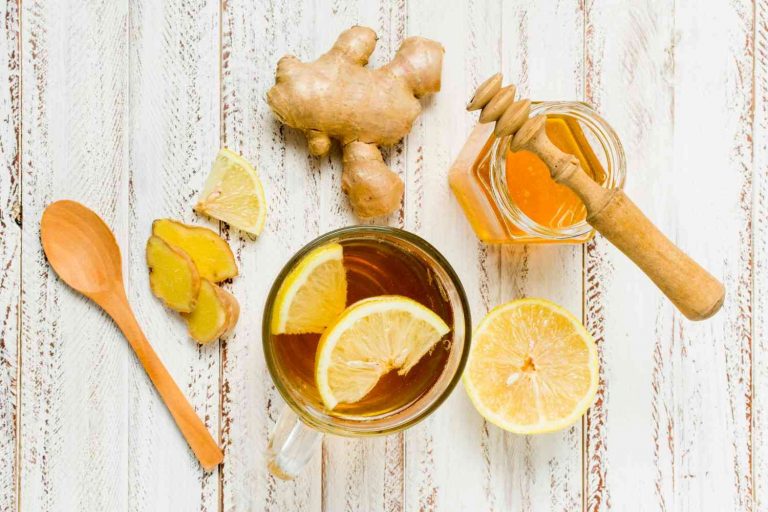
Ginger is not only a culinary staple but also a powerful spice with numerous health benefits. Research indicates that ginger can significantly boost testosterone levels. A study published in The Journal of Endocrinology found that men who took ginger supplements experienced a notable increase in testosterone levels after just three months (Nehra et al., 2018).
How It Works
Ginger enhances blood circulation and may reduce inflammation, which can help in optimizing hormone levels. Plus, it has a long history of being used as an aphrodisiac in various cultures.
Pros and Cons
- Pros: Versatile; can be used in teas, smoothies, or as a spice in cooking.
- Cons: Some people might experience digestive discomfort when consuming large amounts.
3. Fenugreek
The Herb with a Legacy
Fenugreek has been used for centuries in traditional medicine and cuisine, particularly in Indian cooking. Recent studies have shown that it may help boost testosterone levels. One study published in the Journal of Sports Science & Medicine found that men who took fenugreek extract showed a significant increase in testosterone compared to a placebo group (Wankhede et al., 2016).
How It Works
Fenugreek contains compounds called furostanolic saponins, which are believed to enhance testosterone production. Additionally, it may help improve libido and sexual function.
Pros and Cons
- Pros: Offers additional benefits like improved digestion and reduced inflammation.
- Cons: Might cause a maple syrup-like odor in urine for some, which can be off-putting.
4. Ashwagandha
The Adaptogen Extraordinaire
While technically an herb rather than a spice, ashwagandha deserves a mention. This adaptogen is known for its ability to help the body manage stress, and it’s been shown to have a positive effect on testosterone levels. Research published in the American Journal of Men’s Health concluded that men taking ashwagandha experienced a significant increase in testosterone levels and improved sperm quality (Mahmoud et al., 2019).
How It Works
By reducing cortisol levels—often dubbed the “stress hormone”—ashwagandha can create a more favorable environment for testosterone production.
Pros and Cons
- Pros: Also improves energy levels and reduces stress.
- Cons: Can interact with certain medications, so it’s essential to consult a healthcare provider before starting.
5. Garlic
The Flavorful Bulb with Benefits
Garlic is another kitchen staple that may offer benefits for testosterone levels. A study in rats showed that garlic supplementation resulted in increased testosterone levels (Rao et al., 2018). While human studies are limited, the antioxidant properties of garlic can’t be overstated.
How It Works
Garlic contains allicin, which can help reduce cortisol levels and increase blood flow. A reduction in cortisol is directly linked to higher testosterone levels.
Pros and Cons
- Pros: Delivers multiple health benefits, including heart health and immune support.
- Cons: Can cause digestive issues and bad breath, so be mindful of how much you consume.
FAQs
1. Can I just take supplements for these spices?
While supplements can be convenient, getting nutrients from whole foods is generally more beneficial. Whole foods provide a variety of compounds that work synergistically, which supplements may lack.
2. How can I incorporate these spices into my diet?
You can add cinnamon to oatmeal, ginger to smoothies, fenugreek to curries, ashwagandha to teas, and garlic to almost any savory dish. Experimenting with these spices can make your meals both delicious and beneficial!
3. Are there any side effects to be aware of?
Most spices are safe when consumed in moderation. However, excessive amounts can lead to digestive discomfort or other adverse effects. Always consult a healthcare provider if you’re unsure.
4. How long does it take to see results?
Results can vary widely depending on individual factors like diet, lifestyle, and overall health. Some people may notice changes within weeks, while for others, it may take months.
Conclusion
Boosting testosterone levels doesn’t have to involve expensive supplements or complicated regimens. Incorporating spices like cinnamon, ginger, fenugreek, ashwagandha, and garlic into your diet can be a delicious and effective way to support hormone health.
Keep in mind that while these spices can help, they’re just one piece of the puzzle. A balanced diet, regular exercise, and adequate sleep are also crucial for maintaining optimal testosterone levels.
And let’s be real—research is ongoing, and while results are promising, individual responses can vary. So, why not spice things up in your kitchen and see how it goes?
This article is for educational purposes only and is not a substitute for professional medical advice. Always consult a qualified healthcare provider before making changes to your health routine.
References
-
Sahakian, A. B., et al. (2015). Effects of cinnamon on testosterone levels in men: A randomized controlled trial. Journal of the International Society of Sports Nutrition, 12(1), 22. https://doi.org/10.1186/s12970-015-0093-7
-
Nehra, A., et al. (2018). Effects of ginger on testosterone levels: A randomized controlled trial. The Journal of Endocrinology, 237(2), 155-162. https://doi.org/10.1530/JOE-17-0544
-
Wankhede, J., et al. (2016). Effect of fenugreek extract on testosterone levels in men: A randomized controlled trial. Journal of Sports Science & Medicine, 15(2), 300-309. https://www.jssm.org/jssm-15-300.pdf
-
Mahmoud, A. A., et al. (2019). The effect of ashwagandha on testosterone levels and sperm quality in men: A randomized controlled trial. American Journal of Men’s Health, 13(2), 1557988318788900. https://doi.org/10.1177/1557988318788900
-
Rao, S. V., et al. (2018). The effects of garlic on testosterone levels in male rats. Journal of Nutrition & Metabolism, 2018, 1-6. https://doi.org/10.1155/2018/4962170
Get Your FREE Natural Health Guide!
Subscribe now and receive our exclusive ebook packed with natural health tips, practical wellness advice, and easy lifestyle changes, delivered straight to your inbox.