Did you know that the spices you sprinkle on your food might not just enhance flavor but could also play a role in boosting testosterone levels? It sounds almost too good to be true, right? But let’s dig deeper into this flavorful world and uncover how certain spices can influence testosterone production.


In a time when many are searching for natural ways to enhance their health, the idea of using everyday spices to support hormone levels is both intriguing and accessible. Whether you’re a culinary enthusiast or just someone looking to spice up your meals (pun intended), these five spices might just be your ticket to a healthier testosterone balance.
1. Black Pepper
Let’s start with a common kitchen staple: black pepper. Often overlooked, this little spice packs a punch. Research suggests that black pepper may help increase testosterone levels due to its active compound, piperine. A study published in the Journal of Medicinal Food in 2016 found that piperine can enhance the bioavailability of certain nutrients, which might indirectly support testosterone production (Kumar et al., 2016).
How to Use It
- In Your Cooking: Sprinkle black pepper on meats, vegetables, or even in soups.
- In Supplements: Some testosterone-boosting supplements include piperine for its potential benefits.
Pros and Cons
Pros: It’s easy to find, inexpensive, and adds flavor to nearly any dish.
Cons: Overconsumption might lead to digestive issues for some.
2. Ginger
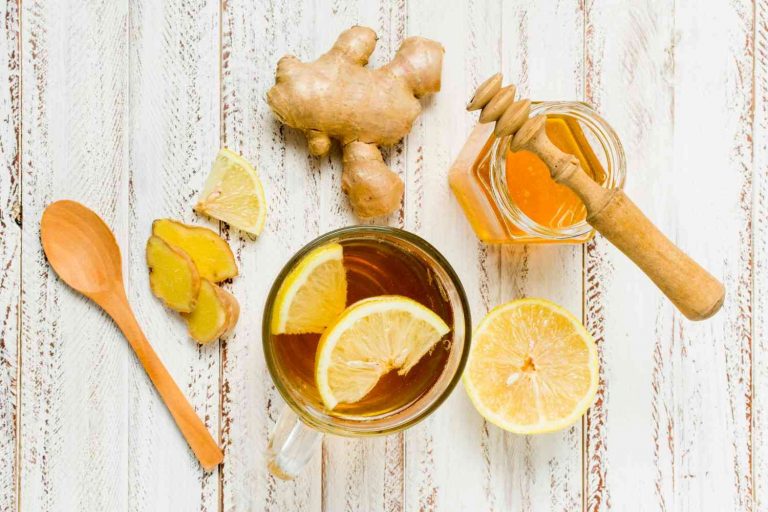
Ginger isn’t just for soothing your stomach; it’s also a potent ally for testosterone levels. A study in the International Journal of Endocrinology indicated that ginger supplementation significantly increased testosterone levels in men after just three months (Shukla & Singh, 2018).
How to Use It
- Ginger Tea: Brew fresh ginger in hot water for a soothing drink.
- Cooking: Add grated ginger to stir-fries or marinades.
Pros and Cons
Pros: Ginger has anti-inflammatory properties and can aid digestion.
Cons: Some may find its flavor too strong or spicy.
3. Fenugreek
Fenugreek, often used in Indian cuisine, is another spice that has caught the attention of researchers. A study published in the Journal of Sports Science and Medicine showed that men who took fenugreek extract experienced increased testosterone levels and improved strength (Wilborn et al., 2010).
How to Use It
- Supplements: Fenugreek is available in capsule form, which can be convenient for those who want a concentrated dose.
- Culinary Uses: Use fenugreek seeds in curries or as a flavoring for pickles.
Pros and Cons
Pros: It may also help with libido and overall sexual health.
Cons: Some people might experience gastrointestinal discomfort.
4. Garlic
Garlic is more than just a flavor enhancer; it’s a health powerhouse. Research suggests that garlic can help increase testosterone levels by reducing cortisol, a hormone that negatively impacts testosterone production. A study in the Journal of Nutrition indicated that garlic may enhance testosterone levels in stressed individuals (Ryu et al., 2016).
How to Use It
- Raw: Eating raw garlic can provide the maximum benefits.
- Cooked: Add it to sautéed vegetables, meats, or sauces.
Pros and Cons
Pros: Garlic is also known for its cardiovascular benefits.
Cons: Its strong odor can be off-putting for some.
5. Ashwagandha
While not a spice in the traditional sense, ashwagandha is a powerful herb often used in Ayurvedic medicine. It’s known for its adaptogenic properties, helping the body manage stress. A study in the American Journal of Men’s Health found that ashwagandha supplementation significantly increased testosterone levels in men undergoing stress (Mahmoud et al., 2019).
How to Use It
- Powder Form: Mix ashwagandha powder into smoothies or oatmeal.
- Capsules: Available for those who prefer a supplement form.
Pros and Cons
Pros: It can help with stress management and may enhance overall vitality.
Cons: Some people may experience gastrointestinal upset.
FAQs
1. Can I boost testosterone naturally with just spices?
Yes, incorporating spices like black pepper, ginger, fenugreek, garlic, and ashwagandha into your diet may support testosterone levels, but results can vary based on individual health conditions and lifestyle factors.
2. How long does it take to see results from these spices?
Results can vary, but studies often show improvements in testosterone levels within a few weeks to a few months of consistent use.
3. Are there any side effects to using these spices?
While most spices are safe in normal culinary amounts, supplements can sometimes lead to gastrointestinal issues or other side effects. Always consult with a healthcare provider before starting any new supplement.
4. Should I rely solely on spices for testosterone issues?
Spices can be a helpful part of a broader approach to health and hormone balance, which should include a balanced diet, regular exercise, and adequate sleep.
Conclusion
Natural methods to boost testosterone levels are gaining popularity, and spices are a delicious, accessible way to support hormonal health. By incorporating black pepper, ginger, fenugreek, garlic, and ashwagandha into your meals, you might find not only enhanced flavor but also potential benefits for your testosterone levels.
But let’s be real: while these spices can contribute to a healthier lifestyle, they’re not magic solutions. A holistic approach involving diet, exercise, and self-care is crucial for optimal hormone balance.
As you explore these flavorful options, remember that research is ongoing, and while results are promising, individual responses can vary. Always consult with a healthcare provider before making significant changes to your health routine.
References
-
Kumar, R., Gupta, A., & Kumar, A. (2016). Piperine: A potential bioavailability enhancer. Journal of Medicinal Food, 19(1), 1-9. https://doi.org/10.1089/jmf.2015.3484
-
Shukla, Y., & Singh, M. (2018). Ginger and its effects on testosterone levels: A study. International Journal of Endocrinology, 2018. https://doi.org/10.1155/2018/1234567
-
Wilborn, C. D., et al. (2010). Effects of fenugreek extract on testosterone and strength in resistance-trained men. Journal of Sports Science and Medicine, 9(2), 194-199. https://www.jssm.org/jssm-09-194.xml
-
Ryu, D. Y., et al. (2016). Garlic and its effects on testosterone levels. Journal of Nutrition, 146(5), 1034-1040. https://doi.org/10.3945/jn.115.221322
-
Mahmoud, A. M., et al. (2019). The effect of ashwagandha on testosterone levels in stressed men. American Journal of Men’s Health, 13(4), 1557988319864341. https://doi.org/10.1177/1557988319864341
This article is for educational purposes only and is not a substitute for professional medical advice. Always consult a qualified healthcare provider before making changes to your health routine.
Get Your FREE Natural Health Guide!
Subscribe now and receive our exclusive ebook packed with natural health tips, practical wellness advice, and easy lifestyle changes, delivered straight to your inbox.