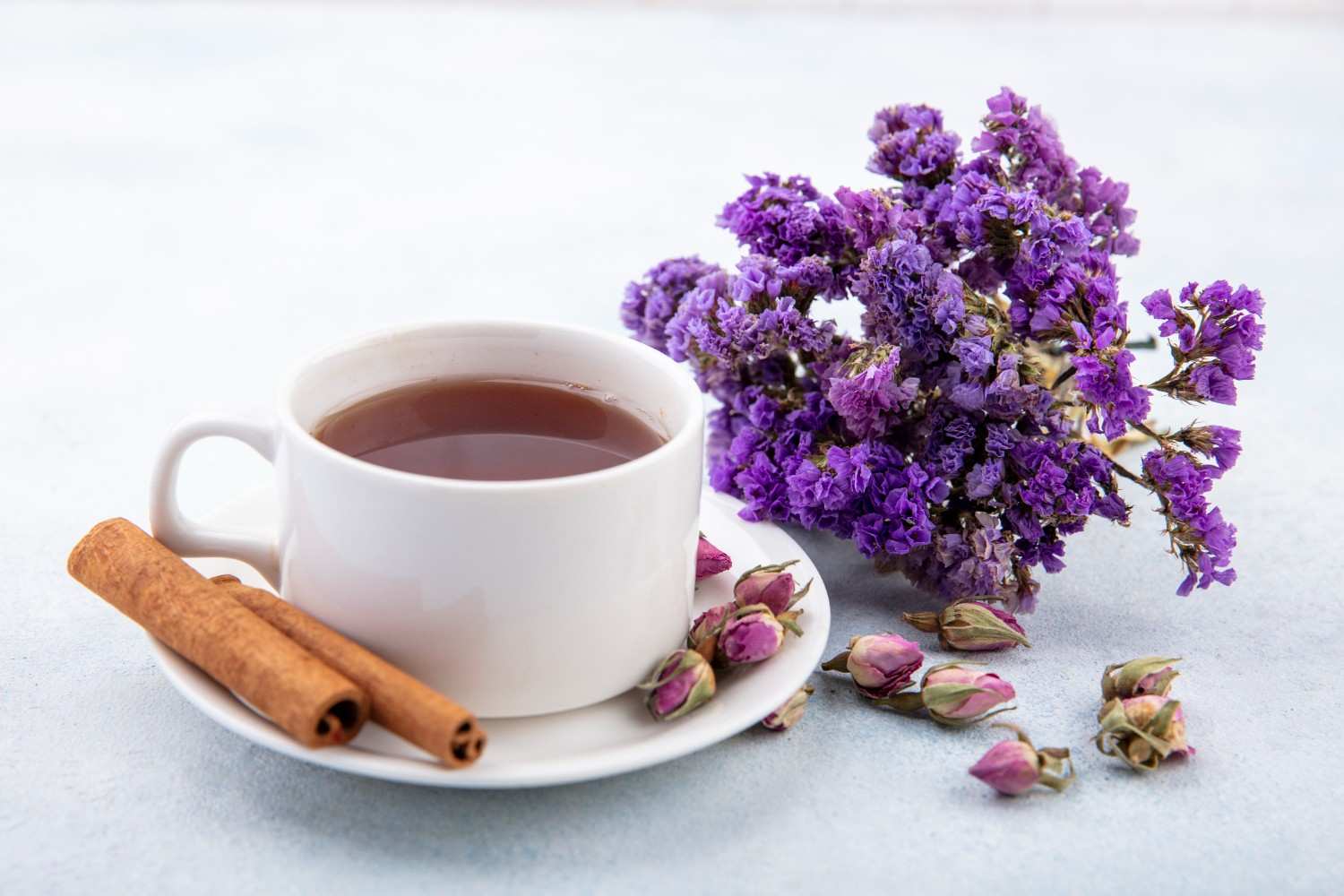
Have you ever walked into a room and instantly felt calmer, as if the air itself was gently hugging you? That’s the magic of lavender. This aromatic herb isn’t just a pretty flower; it’s a powerhouse when it comes to stress relief. While many of us think of lavender as a soothing scent in candles or bath products, it’s also a delightful tea that can help ease anxiety and promote relaxation. Let’s dive into five soothing ways to use lavender tea for stress relief.

Contents
1. A Calming Evening Routine
Imagine sipping a warm cup of lavender tea as you wind down from a long day. Research suggests that establishing a calming evening routine can significantly improve sleep quality and reduce stress. Lavender tea, known for its calming properties, can be the perfect addition to your nightly ritual.
How to Incorporate It:
- Brew a cup: Steep dried lavender buds in hot water for about 5-10 minutes. You can mix in chamomile for an extra calming effect.
- Create a cozy space: Dim the lights, maybe light a lavender-scented candle, and curl up with a good book.
- Mindfulness practice: As you sip your tea, take deep breaths. Focus on the aroma and taste, grounding yourself in the moment.
Pros and Cons:
- Pros: This routine can signal to your body that it’s time to relax. Plus, the ritual of making tea can be comforting in itself.
- Cons: If you’re sensitive to caffeine, make sure to use caffeine-free herbal blends.
2. Lavender Tea Meditation
Meditation can feel daunting, especially if you’re new to it. But adding lavender tea to your practice can enhance the experience. The scent of lavender is often linked to relaxation, making it a perfect partner for meditation.
How to Do It:
- Prepare your tea: Brew a cup of lavender tea before your meditation session.
- Find a quiet spot: Sit comfortably, close your eyes, and take a few sips of tea.
- Focus on your breath: As you breathe in, imagine inhaling the calming properties of lavender. Exhale stress and tension.
Pros and Cons:
- Pros: The combination of the tea’s aroma and meditation can deepen relaxation and promote mindfulness.
- Cons: Some might find it hard to concentrate initially; practice makes perfect.
3. Lavender Tea Bath
Nothing says relaxation like a warm bath, right? Now, imagine adding lavender tea to that experience. It’s a simple way to turn an ordinary bath into a spa-like retreat.
How to Make It:
- Brew a strong batch: Use several bags of lavender tea or a generous amount of dried buds to make a potent infusion.
- Add to your bath: Pour the brewed tea into your warm bathwater. Add Epsom salts for extra muscle relaxation if you’d like.
- Soak and unwind: Spend at least 20 minutes in the tub, allowing the lavender to soothe your mind and body.
Pros and Cons:
- Pros: The warm water, combined with lavender, can help alleviate tension and promote relaxation.
- Cons: Not everyone has access to a bathtub, and some may find baths too hot or uncomfortable.
4. Lavender Tea for Stressful Days
Sometimes, you just need a quick pick-me-up to get through a stressful day. Lavender tea can be your go-to beverage when you’re feeling overwhelmed.
How to Use It:
- Keep it on hand: Brew a large batch and store it in the fridge. You can enjoy it iced or reheated throughout the day.
- Take mindful breaks: Whenever you feel stress creeping in, take a moment to sip your tea. Close your eyes, breathe deeply, and focus on the flavor and aroma.
Pros and Cons:
- Pros: It’s a simple way to incorporate stress relief into your daily routine without taking too much time.
- Cons: If you’re in a rush, you might forget to take that mindful moment, so set reminders if needed.
5. Socializing Over Lavender Tea
Sometimes, stress comes not just from our personal lives but also from our social interactions. Whether it’s a family gathering or a work meeting, lavender tea can help ease social anxiety.
How to Use It:
- Host a tea party: Invite friends over for a lavender tea gathering. It’s a unique twist that encourages relaxation and connection.
- Share stories: As you sip, share experiences about what stresses you out and how you cope. This can foster deeper relationships and mutual support.
Pros and Cons:
- Pros: Bonding over a calming beverage can help ease tension and create a supportive atmosphere.
- Cons: If your friends aren’t fans of herbal teas, it might not be as enjoyable for everyone.
FAQs
Is lavender tea safe for everyone?
While lavender tea is generally safe for most people, it can cause allergic reactions in some. Pregnant women and those on certain medications should consult a healthcare provider before consuming it.
How much lavender tea should I drink for stress relief?
Most experts suggest 1-3 cups of lavender tea per day for relaxation. However, listen to your body and adjust according to your comfort level.
Can lavender tea help with sleep?
Yes, many people find that drinking lavender tea before bed helps improve sleep quality and reduce insomnia.
Where can I find quality lavender tea?
Look for organic lavender tea at health food stores or online. Brands like Traditional Medicinals and Stash offer reliable options.
Conclusion
Incorporating lavender tea into your daily routine can be a simple yet effective way to manage stress. Whether you’re winding down at night, meditating, enjoying a bath, or socializing, this soothing tea can bring a sense of calm to your life. Remember, the journey to stress relief is personal, and what works for one person might not work for another. So, experiment with these methods, find what resonates with you, and take a moment to breathe in that delightful lavender aroma.
This article is for educational purposes only and is not a substitute for professional medical advice. Always consult a qualified healthcare provider before making changes to your health routine.
References
- Goel, N., et al. (2013). “Aromatherapy and sleep: a systematic review.” Journal of Clinical Sleep Medicine. Retrieved from https://jcsm.aasm.org
- Mayo Clinic. (2021). “Lavender: Overview.” Retrieved from https://www.mayoclinic.org
- National Center for Complementary and Integrative Health. (2020). “Herbal Medicine.” Retrieved from https://nccih.nih.gov
Get Your FREE Natural Health Guide!
Subscribe now and receive our exclusive ebook packed with natural health tips, practical wellness advice, and easy lifestyle changes — delivered straight to your inbox.