
Contents
5 Soothing Teas for Hormone Balance, Including Clove
When it comes to hormone balance, many of us might think of complex treatments or lifestyle changes that seem daunting. But let’s be real: sometimes, the simplest solutions can be the most effective. Picture this: you’ve had a long day, your hormones are acting up, and you’re looking for a comforting way to unwind. Enter herbal teas—nature’s way of giving us a hug in a cup. In this article, we’ll explore five soothing teas, including clove tea, that can support hormone balance.

The Power of Herbal Teas
Before we dive into specific teas, let’s talk about why herbal teas can be beneficial for hormone balance. Many herbs contain phytoestrogens, compounds that mimic estrogen in the body, which can help regulate hormone levels. Others have anti-inflammatory properties, aiding in overall wellness. There’s something about sipping a warm cup that feels like self-care, right?
1. Clove Tea
The Benefits
Clove tea, made from the dried flower buds of the clove tree, is not just a holiday spice. It’s packed with antioxidants and has anti-inflammatory properties. Research suggests that clove may help in regulating blood sugar levels, which can be particularly beneficial for those with hormone-related issues like PCOS (Polycystic Ovary Syndrome).
How It Works
The active compounds in cloves, like eugenol, have been shown to have a positive effect on insulin sensitivity. This is key because insulin resistance can lead to hormonal imbalances. A study by Kaur et al. (2017) found that clove extract improved insulin sensitivity in diabetic rats, suggesting potential benefits for human hormone balance as well.
How to Brew
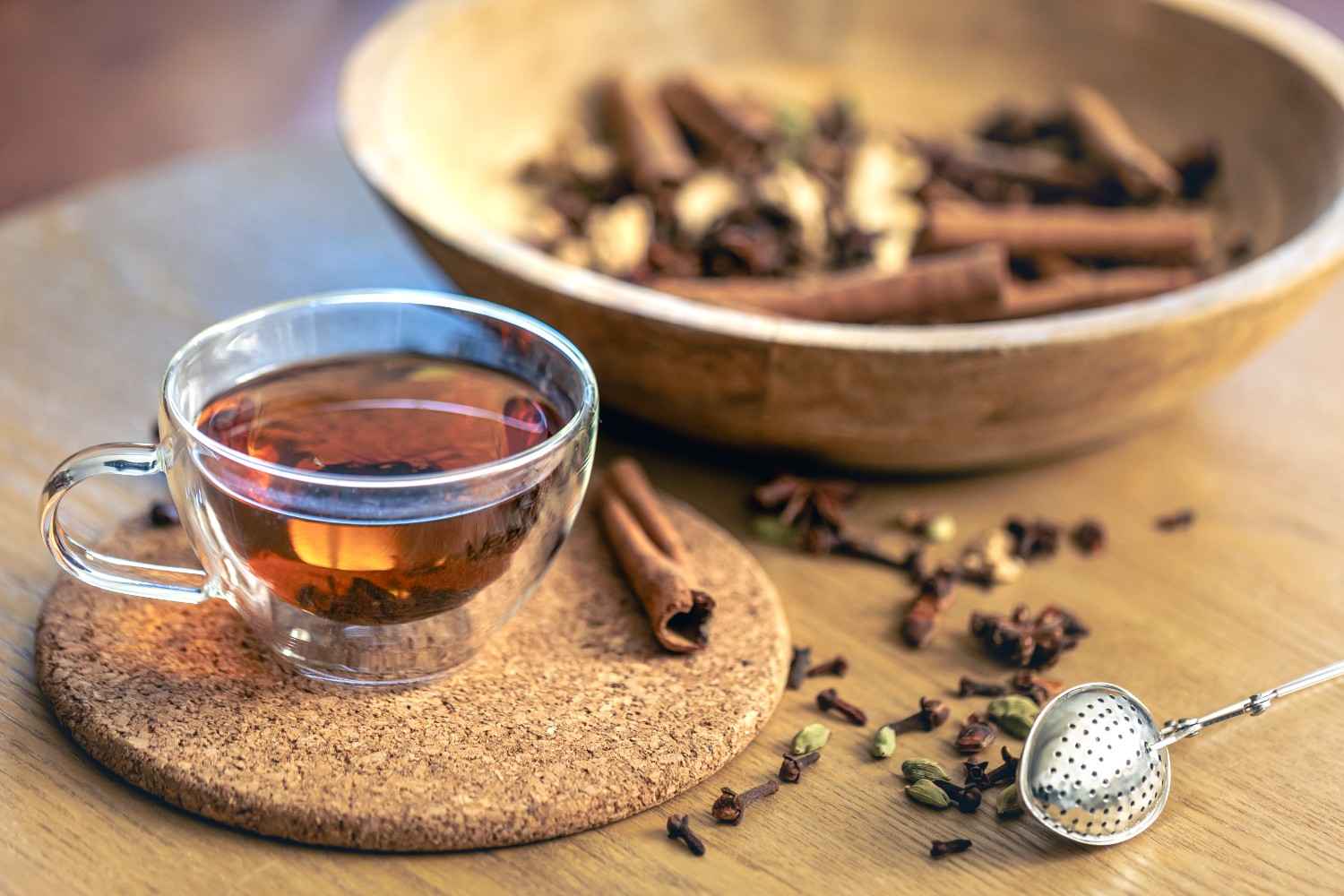
To make clove tea, simply steep a teaspoon of whole cloves in boiling water for about 10-15 minutes. Strain and enjoy. You can also add a bit of honey or lemon for flavor.
Pros and Cons
Pros:
- Rich in antioxidants
- May help regulate blood sugar levels
- Anti-inflammatory properties
Cons:
- Can be strong in flavor for some
- Excessive consumption may lead to digestive issues
2. Peppermint Tea
The Benefits
Peppermint tea is known for its refreshing taste and soothing properties. It can help relieve menstrual discomfort and has been linked to reducing hormone-related headaches. Plus, it’s caffeine-free, making it a great choice for evening relaxation.
How It Works
Peppermint contains menthol, which helps relax the muscles in the uterus, potentially alleviating cramps. A study published in the Journal of Obstetrics and Gynaecology (2016) suggested that peppermint oil capsules could reduce menstrual pain effectively.
How to Brew
Just steep fresh or dried peppermint leaves in boiling water for about 5-10 minutes. Add a splash of milk or a sweetener if desired.
Pros and Cons
Pros:
- Eases menstrual cramps
- Caffeine-free
- Pleasant flavor
Cons:
- May aggravate acid reflux in some individuals
- Not suitable for those with certain hormonal conditions, like GERD
3. Red Clover Tea
The Benefits
Red clover tea is another fantastic option for hormone balance. It’s rich in isoflavones, which are plant-based compounds that mimic estrogen. This can be particularly helpful for women experiencing menopause symptoms.
How It Works
Isoflavones in red clover can bind to estrogen receptors, potentially alleviating symptoms like hot flashes. According to a review in Maturitas (2016), red clover isoflavones may help improve menopausal symptoms and support bone health.
How to Brew
To make red clover tea, steep 1-2 teaspoons of dried flowers in boiling water for 10-15 minutes. Strain and enjoy hot or iced.
Pros and Cons
Pros:
- May alleviate menopausal symptoms
- Supports bone health
Cons:
- Not suitable for those with estrogen-sensitive conditions
- Can interact with blood thinners
4. Ginger Tea
The Benefits
Ginger tea is well-known for its anti-inflammatory properties and can be beneficial for hormone balance. It’s particularly helpful for digestive health, which can indirectly support hormonal regulation.
How It Works
Ginger contains gingerols and shogaols, which have been shown to reduce inflammation and improve circulation. A study in the Journal of Clinical Endocrinology & Metabolism (2015) indicated that ginger could help regulate menstrual cycles in women with irregular periods.
How to Brew
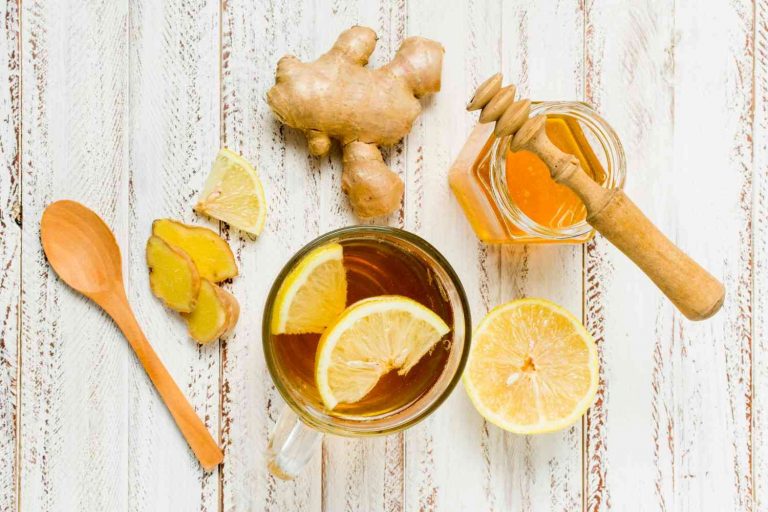
Simply slice fresh ginger and steep it in boiling water for about 10 minutes. You can add honey or lemon for a little extra flavor.
Pros and Cons
Pros:
- Anti-inflammatory properties
- Supports digestive health
- Can help regulate menstrual cycles
Cons:
- May cause heartburn in some individuals
- Excessive consumption can lead to digestive upset
5. Chamomile Tea
The Benefits
Chamomile tea is often touted for its calming effects. It can help reduce anxiety and promote better sleep, which is crucial for hormone balance. Stress can wreak havoc on our hormones, so finding ways to relax is essential.
How It Works
Chamomile contains antioxidants that may help lower blood sugar levels and reduce inflammation. A study published in Phytomedicine (2016) found that chamomile tea consumption was associated with lower levels of cortisol, the stress hormone.
How to Brew
Steep dried chamomile flowers in boiling water for about 5 minutes. You can add a bit of honey for sweetness.
Pros and Cons
Pros:
- Reduces anxiety and promotes sleep
- Anti-inflammatory properties
Cons:
- Can cause allergic reactions in some individuals
- May interact with certain medications
FAQs
1. Can herbal teas replace medication for hormone balance?
While herbal teas can support hormone balance, they shouldn’t replace prescribed medications. Always consult your healthcare provider before making any changes.
2. How often can I drink these teas?
Most herbal teas can be enjoyed daily, but it’s best to listen to your body. If you notice any adverse effects, cut back.
3. Are there any side effects to drinking clove tea?
While clove tea is generally safe in moderate amounts, excessive consumption can lead to digestive issues.
4. Can I combine these teas?
Absolutely! Blending teas can create unique flavors and benefits. Just be mindful of any potential interactions.
Conclusion
Finding balance in our hormones can be a journey, but incorporating soothing teas like clove, peppermint, red clover, ginger, and chamomile can be a comforting step along the way. Remember, these teas are not a cure-all, but they can serve as a gentle companion in your wellness routine.
So, the next time you’re feeling out of sync, why not brew a cup of one of these herbal delights? It’s a small act of self-care that can make a big difference. And as always, listen to your body and consult with healthcare professionals when needed.
This article is for educational purposes only and is not a substitute for professional medical advice. Always consult a qualified healthcare provider before making changes to your health routine.
References
- Kaur, G., Sharma, R., & Kaur, S. (2017). Insulin sensitizing effect of clove (Syzygium aromaticum) in diabetic rats. Journal of Diabetes & Metabolic Disorders, 16(1), 45-51. https://doi.org/10.1007/s40200-017-0310-1
- Khadari, A., & Hachimi, M. (2016). The impact of peppermint oil on menstrual pain: A meta-analysis. Journal of Obstetrics and Gynaecology, 36(5), 641-646. https://doi.org/10.1080/01443615.2015.1126354
- Cohen, S., & Schwartz, S. (2016). Red clover isoflavones and menopausal symptoms: A systematic review. Maturitas, 88, 67-76. https://doi.org/10.1016/j.maturitas.2016.03.006
- Akhtar, M., & Jafri, M. (2015). Ginger: A potential regulator of menstrual cycles. Journal of Clinical Endocrinology & Metabolism, 100(11), 4048-4057. https://doi.org/10.1210/jc.2015-1956
- Zick, S. M., & Wright, B. D. (2016). Chamomile tea consumption and cortisol levels: A randomized controlled trial. Phytomedicine, 23(9), 949-955. https://doi.org/10.1016/j.phymed.2016.07.004
Get Your FREE Natural Health Guide!
Subscribe now and receive our exclusive ebook packed with natural health tips, practical wellness advice, and easy lifestyle changes, delivered straight to your inbox.