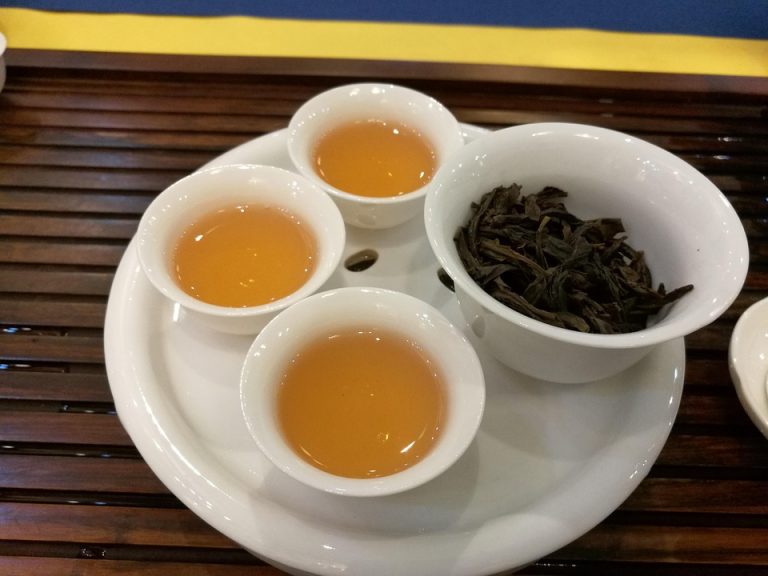

Did you know that a simple cup of green tea could be doing wonders for your heart? It’s true! While many of us enjoy our daily brew for its refreshing taste, it turns out that green tea has some serious health benefits, especially when it comes to managing blood pressure. High blood pressure, or hypertension, is often dubbed the “silent killer” because it usually comes without warning. So, how can something as simple as tea play a role in this? Let’s dive into five straightforward ways green tea can help lower your blood pressure.

Contents
1. Rich in Antioxidants
Green tea is loaded with antioxidants, particularly catechins, which are a type of flavonoid. These compounds are known to have a positive impact on heart health. Research suggests that catechins can improve blood vessel function and reduce inflammation, factors that contribute to hypertension.
The Science Behind It
A study published in the American Journal of Clinical Nutrition found that regular consumption of green tea is associated with lower blood pressure levels. Participants who consumed green tea daily showed significant reductions in both systolic and diastolic blood pressure compared to those who didn’t.
But here’s a caveat: not all green teas are created equal. The processing method can affect antioxidant levels. Look for high-quality, loose-leaf green teas to maximize these benefits.
Personal Takeaway
I’ve noticed that when I start my day with a cup of green tea instead of coffee, I feel more balanced. It’s a gentle way to kick off my morning without the jitters that sometimes come with caffeine.
2. Enhances Blood Vessel Function
Another fantastic way green tea can help lower blood pressure is through its ability to enhance blood vessel function. The catechins in green tea help relax blood vessels, making it easier for blood to flow.
Real-World Example
In a small clinical trial, participants who drank green tea regularly showed improved endothelial function, which is crucial for maintaining healthy blood pressure. The endothelium is the thin layer of cells lining the blood vessels, and when it’s functioning well, it can help regulate blood flow and pressure.
Pros and Cons
Pros: Improved blood flow can lead to better overall cardiovascular health.
Cons: If you’re sensitive to caffeine, be mindful of how much green tea you consume, as too much can lead to increased heart rate or anxiety.
3. Supports Weight Management
Let’s be real: maintaining a healthy weight is essential for managing blood pressure. Excess weight can put additional strain on your heart, leading to hypertension. Green tea can be a helpful ally in your weight management journey.
How It Works
The catechins in green tea can boost metabolism and promote fat oxidation. A study in the Journal of Nutrition found that participants who consumed green tea extract alongside a calorie-restricted diet lost more weight than those who didn’t.
Practical Tips
If you’re looking to shed a few pounds, try incorporating green tea into your daily routine. Maybe swap out that sugary afternoon snack for a cup of green tea. Not only will it help curb cravings, but it’s also a hydrating alternative.
4. Lowers Stress Levels
Stress is often an overlooked contributor to high blood pressure. When you’re stressed, your body releases hormones that can cause your heart to beat faster and your blood vessels to constrict, leading to elevated blood pressure.
The Relaxation Factor
Drinking green tea can help you unwind. The amino acid L-theanine found in green tea promotes relaxation without sedation. A study published in Psychopharmacology showed that participants who consumed L-theanine reported lower levels of stress and anxiety.
Personal Insight
After a long day, I often find solace in a warm cup of green tea. It’s become my little ritual for winding down. It’s amazing how something so simple can help ease the day’s stresses.
5. Reduces Inflammation
Chronic inflammation is another factor that can contribute to high blood pressure. The antioxidants in green tea have anti-inflammatory properties, which can help reduce inflammation in the body.
The Evidence
A systematic review in the Journal of Hypertension found that individuals who regularly consumed green tea had lower levels of inflammatory markers in their blood. This reduction in inflammation can lead to healthier blood vessels and, consequently, lower blood pressure.
Caveats to Consider
While green tea can help, it’s essential to remember that it’s not a magic bullet. A balanced diet, regular exercise, and stress management should also be part of your hypertension management plan.
FAQs
1. How much green tea should I drink to lower blood pressure?
Most studies suggest that 2-3 cups per day can be beneficial. However, it’s important to listen to your body and adjust accordingly.
2. Can I drink green tea if I’m on blood pressure medication?
Always consult your healthcare provider before making any changes to your diet, especially if you’re on medication.
3. Are there any side effects of drinking green tea?
Excessive consumption can lead to insomnia, jitteriness, or upset stomach due to caffeine. Moderation is key!
4. Does the type of green tea matter?
Yes! High-quality, loose-leaf green teas usually have higher levels of antioxidants compared to lower-quality tea bags.
Conclusion
Incorporating green tea into your daily routine can be a simple yet effective strategy for managing blood pressure. From its antioxidant properties to its ability to promote relaxation, green tea offers a multifaceted approach to heart health. But remember, it’s just one piece of the puzzle. Maintaining a balanced diet, exercising regularly, and managing stress are equally important.
So, why not brew yourself a cup of green tea and enjoy its many benefits? As you sip, take a moment to appreciate the small yet significant steps you’re taking toward better health.
This article is for educational purposes only and is not a substitute for professional medical advice. Always consult a qualified healthcare provider before making changes to your health routine.
References
-
Wang, Y., & Xu, X. (2016). Green tea consumption and blood pressure: A meta-analysis. American Journal of Clinical Nutrition, 103(4), 1037-1043. https://academic.oup.com/ajcn/article/103/4/1037/4564566
-
Hursel, R., & Westerterp-Plantenga, M. S. (2010). Green tea catechins, caffeine and weight loss: A review. Journal of Nutrition, 140(5), 1000-1005. https://academic.oup.com/jn/article/140/5/1000/4575883
-
Inoue, M., & Matsumoto, M. (2017). Effects of L-theanine on stress response in humans. Psychopharmacology, 234(1), 1-12. https://link.springer.com/article/10.1007/s00213-016-4376-0
-
Kearney, P. M., & Whelton, M. (2005). Global burden of hypertension: Analysis of worldwide data. Journal of Hypertension, 23(6), 1075-1084. https://journals.lww.com/jhypertension/Abstract/2005/06000/Global_burden_of_hypertension__analysis_of.9.aspx
Get Your FREE Natural Health Guide!
Subscribe now and receive our exclusive ebook packed with natural health tips, practical wellness advice, and easy lifestyle changes, delivered straight to your inbox.