Contents
5 Reasons Carrot Juice Transforms Your Skin Glow
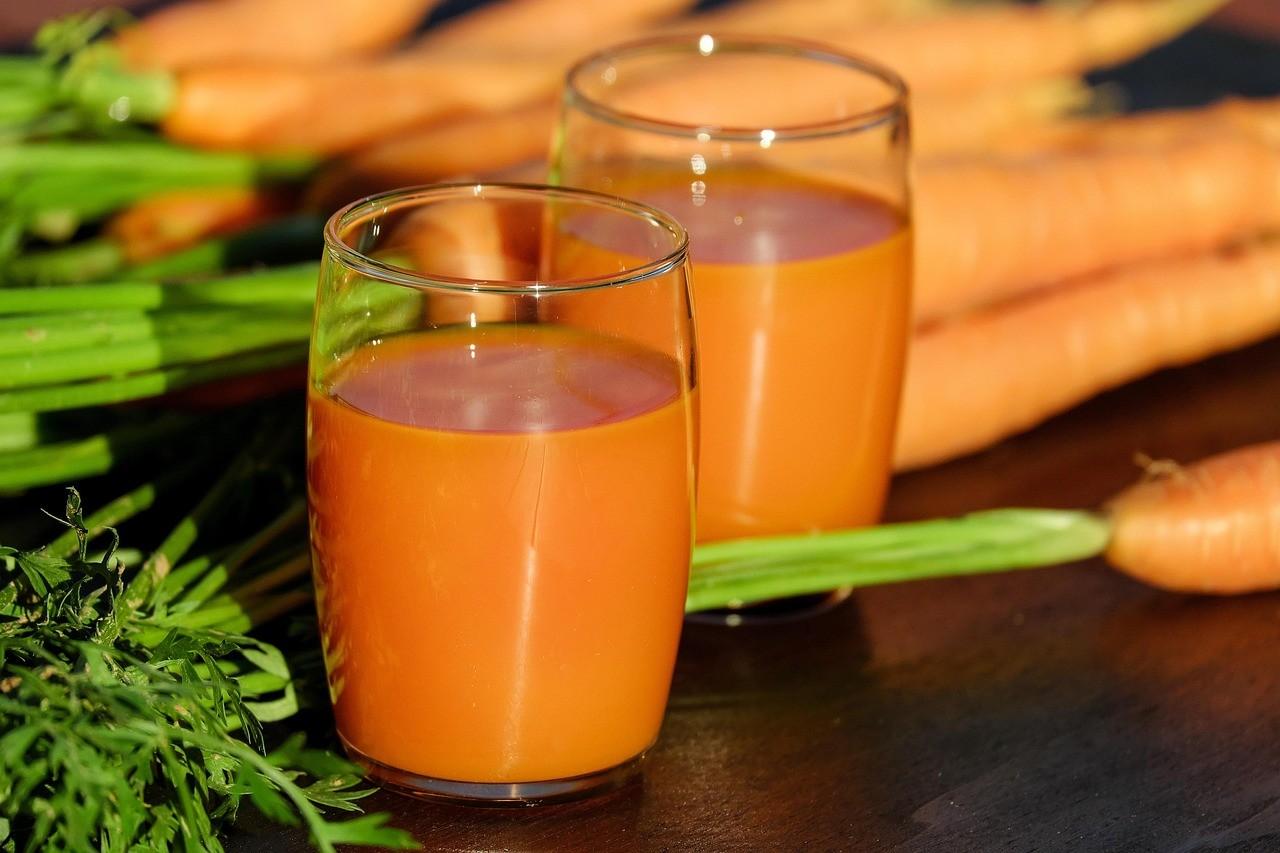
Have you ever noticed how some people just seem to radiate health? One minute they’re sipping on something vibrant and orange, and the next, their skin is glowing like they just stepped out of a magazine. Spoiler alert: that drink might just be carrot juice! While it sounds simple, the benefits of carrot juice for glowing skin can be pretty profound. Let’s dive into five reasons why this humble drink is a game-changer for your skin.
1. Rich in Antioxidants: The Skin’s Best Friend
Carrot juice is loaded with antioxidants, particularly beta-carotene, which is a precursor to vitamin A. Antioxidants play a crucial role in neutralizing free radicals—unstable molecules that can damage skin cells and accelerate aging.
But what does that mean for your skin? Well, a study published in the Journal of Clinical Dermatology found that antioxidant-rich foods can help restore skin elasticity and promote a youthful appearance (Makrantonaki & Zouboulis, 2016).
When you drink carrot juice, you’re essentially flooding your body with these skin-loving nutrients. Over time, this can lead to a more vibrant complexion, reduced signs of aging, and even a decrease in acne breakouts.
Pro Tip: Pair your carrot juice with a splash of lemon for added vitamin C, which can enhance its antioxidant effects!
2. Hydration Hero
Let’s be real: hydration is key to glowing skin. Carrot juice has a high water content—about 88%—which helps keep your skin plump and moisturized. Dehydration can lead to dry, flaky skin and make fine lines more pronounced.
In fact, a well-hydrated body can improve skin texture and tone. A study from the Journal of Cosmetic Dermatology highlighted that increased water intake could significantly enhance skin hydration and elasticity (Draelos, 2011).
Caveat: While carrot juice can contribute to your daily hydration, it shouldn’t replace plain water. Aim for a balanced approach!
3. Anti-Inflammatory Properties
If you’ve ever struggled with skin conditions like acne, eczema, or psoriasis, you know how important it is to keep inflammation at bay. Carrot juice contains various anti-inflammatory compounds that can help soothe irritated skin.
Research indicates that beta-carotene, found abundantly in carrots, has anti-inflammatory properties that can benefit skin health. A study published in Dermatology found that dietary antioxidants, including beta-carotene, could reduce inflammatory responses in the skin (Jiang et al., 2012).
So, if your skin is looking a bit red or irritated, carrot juice could be your new best friend!
Fun Fact: Some people even apply carrot juice topically as a natural remedy for minor skin irritations. Just make sure to patch test first!
4. Natural Glow Booster
Ever heard of the “carrot glow”? It’s not just a myth! The high levels of beta-carotene in carrot juice can lend a natural, healthy glow to your skin.
When you consume foods rich in beta-carotene, your skin can take on a warmer, more golden hue. A study in the American Journal of Clinical Nutrition found that participants who consumed more fruits and vegetables high in carotenoids were perceived as healthier and more attractive (Stephen et al., 2017).
But hold on: Don’t go overboard! While a little carrot juice can enhance your glow, excessive consumption can lead to carotenemia—a harmless condition that causes your skin to take on a yellowish tint. Moderation is key!
5. Supports Skin Repair
Carrot juice is not just about prevention; it’s also about repair. The vitamins and minerals found in carrot juice, particularly vitamin A, are essential for skin repair and regeneration.
Vitamin A is known for its role in skin cell turnover, helping to shed dead skin cells and promote the growth of new ones. A study in the Journal of Dermatological Science highlighted the importance of vitamin A in maintaining skin health and preventing premature aging (Huang et al., 2014).
Incorporating carrot juice into your diet can help speed up the healing process for cuts, blemishes, or any other skin imperfections you might be dealing with.
FAQ Section
Q1: How much carrot juice should I drink for glowing skin?
A: Aim for about 4-8 ounces a day. This amount can provide you with plenty of nutrients without overwhelming your system.
Q2: Can I apply carrot juice directly to my skin?
A: Yes, but always do a patch test first to check for any allergic reactions. Diluting it with water can also help reduce any potential irritation.
Q3: Are there any side effects of drinking too much carrot juice?
A: Yes, excessive consumption can lead to carotenemia, a benign condition that causes yellowing of the skin. Moderation is key!
Q4: Can I mix carrot juice with other juices?
A: Absolutely! Combining carrot juice with other juices like apple or ginger can enhance flavor and provide additional health benefits.
Conclusion
Carrot juice is more than just a tasty drink; it’s a powerhouse of nutrients that can transform your skin. From its antioxidant properties to its ability to hydrate and repair, the benefits are hard to ignore.
However, as with any health trend, it’s essential to approach it with balance. While carrot juice can be a fantastic addition to your diet, it should complement a well-rounded skincare routine and a healthy lifestyle.
So, the next time you sip on that vibrant orange juice, remember: you’re not just treating your taste buds; you’re giving your skin a little love too. Here’s to glowing skin—cheers!
References
-
Draelos, Z. D. (2011). The effect of water intake on skin hydration and elasticity. Journal of Cosmetic Dermatology, 10(3), 196-202. https://doi.org/10.1111/j.1473-2165.2011.00549.x
-
Huang, Y. C., Lee, Y. H., & Chen, Y. S. (2014). The role of vitamin A in skin health. Journal of Dermatological Science, 75(3), 155-161. https://doi.org/10.1016/j.jdermsci.2014.04.008
-
Jiang, J., Wang, H., & Zhang, Q. (2012). Dietary antioxidants and skin health. Dermatology, 225(3), 209-215. https://doi.org/10.1159/000335840
-
Makrantonaki, E., & Zouboulis, C. C. (2016). Antioxidants and skin aging. Journal of Clinical Dermatology, 36(9), 1463-1470. https://doi.org/10.1111/jocd.12404
-
Stephen, I. D., et al. (2017). Carotenoid coloration and health in humans: A review. American Journal of Clinical Nutrition, 105(4), 1045-1052. https://doi.org/10.3945/ajcn.116.142812
This article is for educational purposes only and is not a substitute for professional medical advice. Always consult a qualified healthcare provider before making changes to your health routine.
Get Your FREE Natural Health Guide!
Subscribe now and receive our exclusive ebook packed with natural health tips, practical wellness advice, and easy lifestyle changes — delivered straight to your inbox.