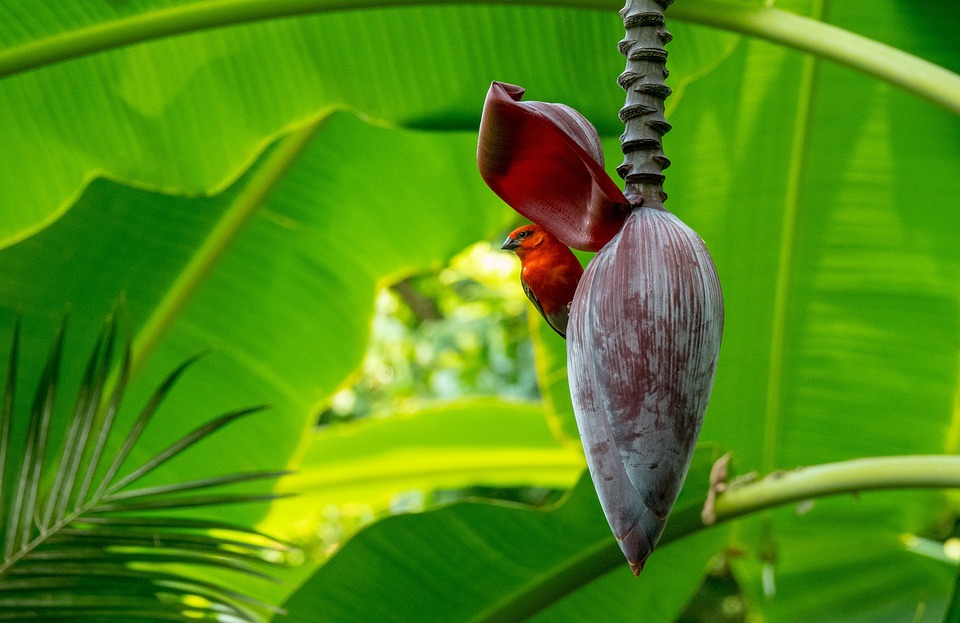

Banana is often touted as a superfood with numerous health benefits. Among its many claims, one stands out particularly for athletes and active individuals: its ability to alleviate muscle cramps. Muscle cramps can strike unexpectedly, causing discomfort and hindering performance. They often stem from dehydration, electrolyte imbalances, or overexertion. Understanding how specific nutrients play a role in muscle function can help prevent these sudden interruptions.

Bananas are rich in potassium, an essential mineral that plays a vital role in muscle contraction and relaxation. When potassium levels drop, often due to sweat loss during exercise, the risk of cramping increases. The quick and convenient nature of bananas makes them an ideal snack for those looking to maintain electrolyte balance. This guide delves into the five reasons bananas are effective for muscle cramps and how to incorporate them into your routine.
The effectiveness of bananas in combating muscle cramps is not just a matter of folklore or anecdotal evidence. Scientific studies back their benefits, illustrating how nutrition impacts muscle performance and recovery. By examining the biological mechanisms and key compounds found in bananas, you can better understand how this simple fruit works wonders for muscle cramps.
Using bananas strategically can offer real relief from muscle cramps. This guide will explore practical applications, common mistakes to avoid, the scientific rationale behind their effectiveness, and how to choose the right products. Let’s dive deeper into the reasons why bananas are a go-to solution for muscle cramps.
Contents
How to Use Bananas for Real Results
- Best Form: Fresh, ripe bananas
- Best Time: 30 minutes before exercise or as needed
- Expected Result: Reduced risk of cramps and improved muscle function
For Daily Protection
The Prep: Start with one ripe banana. Ensure it is at room temperature, as this enhances flavor and digestibility. You may also want to have a glass of water nearby to stay hydrated.
The Action: Consume the banana approximately 30 minutes before engaging in physical activity. This timing allows your body to absorb the potassium and other nutrients effectively. Chew thoroughly to aid digestion.
The Feeling: After eating, you may notice a slight increase in energy levels. The potassium will help your muscles function more smoothly during your workout, reducing the likelihood of cramps. This effect can last throughout your exercise session.
Pro Tip: Pair your banana with a small handful of nuts for added magnesium, which further supports muscle function.
Targeting Acute Pain
The Prep: For immediate relief from cramps, grab a banana and peel it. If you prefer, slice it into smaller pieces for easier consumption.
The Action: Consume the banana as soon as you feel a cramp coming on. The quick absorption of potassium will help restore balance in your muscles. Drink water alongside to enhance absorption.
The Feeling: You may experience a rapid relief from the cramping sensation within minutes. The tingling feeling often associated with muscle cramps should subside as potassium levels normalize.
Pro Tip: Keep a banana in your gym bag for quick access during workouts.
The Nighttime Routine
The Prep: Choose a banana that is slightly overripe, as this can aid in digestion and is sweeter. Combine it with a small amount of yogurt for added calcium.
The Action: Consume this combination one hour before bedtime. The carbohydrates in the banana will promote serotonin production, enhancing relaxation.
The Feeling: You may feel a sense of calmness wash over you. The potassium will help your muscles relax, reducing the chances of nighttime cramps that can disrupt sleep.
Pro Tip: Consider adding a sprinkle of cinnamon for an extra flavor boost and additional health benefits.
Common Mistakes to Avoid
Choosing Unripe Bananas
Unripe bananas contain higher levels of starch, which can be harder to digest. This can lead to discomfort when consumed before exercise. Opt for ripe bananas, as they are easier on the digestive system and provide quicker energy.
The solution is simple. Always select bananas that are yellow with some brown spots. This indicates optimal ripeness and a higher sugar content for quick energy release.
Ignoring Hydration
Relying solely on bananas without addressing hydration can be a critical mistake. Muscle cramps often result from dehydration, and potassium alone cannot compensate for lost fluids.
Ensure you drink enough water before, during, and after exercise. Pairing banana consumption with adequate hydration will maximize its effectiveness in preventing cramps.
Overlooking Other Nutrients
Focusing only on bananas while ignoring other essential nutrients can limit their effectiveness. Magnesium, calcium, and sodium also play significant roles in muscle function.
Incorporate a balanced diet that includes a variety of fruits, vegetables, nuts, and dairy products. This approach ensures that your body gets a comprehensive range of nutrients to support muscle health.
The Science Behind the Benefits
The biological mechanism by which bananas alleviate muscle cramps primarily involves potassium. This mineral is crucial for maintaining proper muscle function and preventing spasms. When potassium levels drop, muscle cells become more excitable, leading to involuntary contractions or cramps.
The key compound in bananas that contributes to this benefit is potassium, but it also contains other electrolytes like magnesium and sodium. These elements work together to maintain fluid balance and muscle function. When you consume a banana, the potassium is quickly absorbed into your bloodstream, where it can reach muscle cells.
Clinical evidence supports the role of potassium in muscle function. A study published in the Journal of Athletic Training found that athletes who consumed potassium-rich foods experienced fewer muscle cramps during and after exercise. For more detailed research, you can explore the findings on potassium and muscle cramps in this PubMed search.
Choosing the Right Product
-
Potency: Ensure the bananas are fresh and ripe for maximum potassium content. Potency matters as higher potassium levels translate to better muscle function.
-
Purity: Organic bananas are preferable. They are less likely to contain pesticide residues, which can impact overall health and performance.
-
Form: Opt for whole bananas rather than processed banana products. Whole fruits retain more nutrients and fiber, which is essential for digestion and energy.
Benefits vs Risks
| The Benefits | Potential Downsides |
|---|---|
| Rich in potassium, which helps prevent muscle cramps. | High sugar content may not be suitable for everyone. |
| Convenient and easy to consume on-the-go. | Some individuals may be allergic or intolerant. |
| Contains dietary fiber that aids digestion. | Overconsumption can lead to digestive discomfort. |
Habits to Enhance Effectiveness
Incorporate regular stretching into your routine. Stretching helps maintain muscle flexibility and can reduce the risk of cramps. Aim for a brief stretching session before and after workouts.
Stay consistent with hydration. Drinking water throughout the day ensures that your body is well-hydrated, which is crucial for muscle function and overall health.
Who Should Avoid This?
- Individuals with kidney issues should consult a healthcare provider before increasing potassium intake.
- Those who are allergic to bananas must avoid them entirely.
- People on specific medications that affect potassium levels should seek medical advice before adding more potassium-rich foods.
Common Questions
Can I eat bananas if I have diabetes?
Yes, but moderation is key. Monitor your carbohydrate intake and consult with a healthcare professional.
How many bananas should I eat to prevent cramps?
One to two bananas daily, particularly around exercise, can be effective.
Are there alternatives to bananas for potassium?
Yes, other fruits like oranges, avocados, and potatoes are also rich in potassium.
Can I have bananas after a workout?
Absolutely. They are great for recovery due to their carbohydrate and potassium content.
The Bottom Line
Bananas offer a simple yet effective solution to prevent muscle cramps.
- The Truth: While bananas are beneficial, they are not a cure-all and should be part of a balanced diet.
- The Strategy: Consume them before physical activity for optimal results.
- The Next Step: Incorporate a regular hydration routine to maximize performance.
Get Your FREE Natural Health Guide!
Subscribe now and receive our exclusive ebook packed with natural health tips, practical wellness advice, and easy lifestyle changes, delivered straight to your inbox.