Have you ever sipped on a warm cup of herbal tea and thought, “I wish I could lose a little thigh fat while enjoying this”? If so, you’re not alone! Many people are on the lookout for natural ways to slim down, and herbal teas can play a surprisingly supportive role in that journey. While no single tea is a magic bullet for weight loss, certain herbal blends can complement your efforts to shed those extra pounds, especially around the thighs.

In this article, we’ll dive into five herbal teas that may help you reduce thigh fat naturally. We’ll explore their benefits, potential downsides, and how to incorporate them into your daily routine. So grab your favorite mug, and let’s get started!
Contents
1. Green Tea: The Classic Slimming Beverage
Benefits
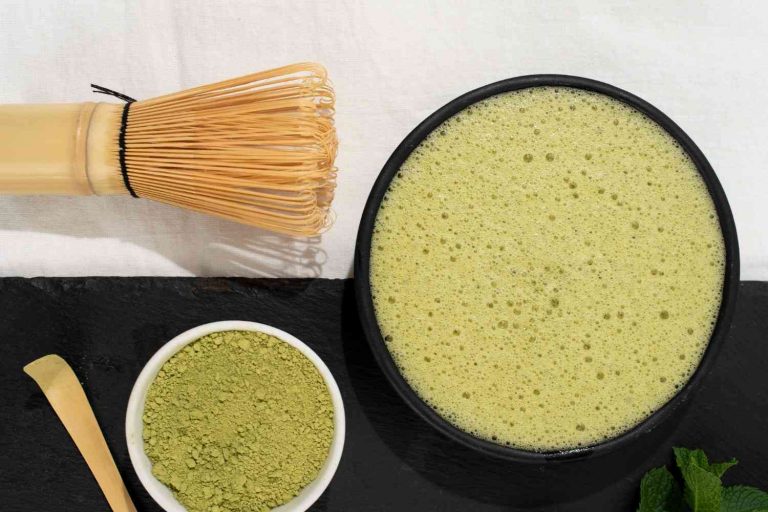
Green tea is probably the most well-known herbal tea when it comes to weight loss. Rich in antioxidants, particularly catechins, it has been shown to boost metabolism and enhance fat oxidation. A 2010 study published in the American Journal of Clinical Nutrition found that participants who consumed green tea extract experienced a significant reduction in body fat, particularly in the abdominal area.
How It Works
The catechins in green tea can increase your resting metabolic rate and promote fat burning, especially during exercise. Plus, it can help regulate blood sugar levels, reducing cravings for unhealthy snacks.
Downsides
While green tea is generally safe for most people, excessive consumption can lead to side effects like insomnia, increased heart rate, and digestive issues due to its caffeine content. Moderation is key!
How to Enjoy
Brew a cup of green tea and sip it before or after meals. You can also find green tea in supplement form if you prefer.
2. Basil Tea: A Hidden Gem
Benefits
Basil tea, made from the leaves of the holy basil plant, is another herbal option that may help with weight loss. Basil is known for its anti-inflammatory properties and can aid in digestion. A study published in Nutrients in 2017 highlighted that basil could help regulate blood sugar levels, which is crucial for weight management.
How It Works
By stabilizing blood sugar, basil tea can reduce cravings and prevent overeating. Additionally, its anti-inflammatory properties may help reduce fat accumulation in the thighs.
Downsides
Basil tea is generally safe, but some people may experience allergic reactions. Pregnant or breastfeeding women should consult a healthcare provider before consuming large amounts.
How to Enjoy
Steep fresh basil leaves in hot water for about 5-10 minutes. You can add honey or lemon for extra flavor!
3. Ginger Tea: The Spicy Fat-Burner
Benefits
Ginger tea is not only delicious but also has powerful fat-burning properties. Research published in the Journal of the Science of Food and Agriculture in 2016 found that ginger can help reduce body weight and waist-to-hip ratio, making it a great option for targeting thigh fat.
How It Works
Ginger improves digestion and helps regulate blood sugar levels, which can lead to fewer cravings. It also has thermogenic properties, meaning it can increase your body’s calorie expenditure.
Downsides
While ginger is safe for most people, consuming it in large amounts can lead to digestive upset. If you’re on blood-thinning medication, consult your doctor before adding ginger tea to your routine.
How to Enjoy
You can make ginger tea by boiling fresh ginger slices in water for about 10 minutes. Add a splash of lemon or a teaspoon of honey for a tasty twist.
4. Peppermint Tea: The Refreshing Appetite Suppressant
Benefits
Peppermint tea is often overlooked in the weight loss realm, but it can be quite effective. This tea is known for its ability to suppress appetite and improve digestion. A study in the International Journal of Obesity found that the aroma of peppermint could help curb cravings.
How It Works
Drinking peppermint tea can stimulate the digestive system and reduce feelings of hunger. This can lead to fewer unnecessary snacks and ultimately help in reducing thigh fat.
Downsides
Peppermint tea is generally safe. However, if you suffer from acid reflux, it might aggravate your symptoms.
How to Enjoy
Brew peppermint leaves in hot water for about 5-7 minutes. It’s also great as an iced tea during warmer months.
5. Rooibos Tea: The Sweet, Caffeine-Free Option
Benefits
Rooibos tea is a caffeine-free herbal option that is rich in antioxidants and can help reduce stress hormones linked to weight gain. Research published in Phytomedicine in 2014 indicated that rooibos could help manage body weight and fat accumulation.
How It Works
Rooibos tea contains compounds called aspalathin and nothofagin, which may help in reducing fat storage and improving metabolism.
Downsides
Rooibos tea is generally well-tolerated, but some people may find it has a slightly sweet taste that might not appeal to everyone.
How to Enjoy
Brew rooibos tea in boiling water for about 5-7 minutes. It can be enjoyed plain or with a splash of milk or sweetener.
FAQs
1. Can herbal teas replace a healthy diet for weight loss?
No, herbal teas can complement a healthy diet and exercise but shouldn’t replace them. They can help manage cravings and boost metabolism, but a balanced diet is essential for effective weight loss.
2. How many cups of herbal tea should I drink daily?
Most experts recommend 2-3 cups of herbal tea per day. However, listen to your body and adjust according to your tolerance and preferences.
3. Are there any side effects from drinking herbal teas?
While herbal teas are generally safe, some may cause digestive upset or allergic reactions. It’s best to consult a healthcare provider if you have any concerns.
4. Can I add sweeteners to my herbal teas?
Yes, you can add honey, lemon, or other natural sweeteners to enhance the flavor. Just be mindful of the added calories.
Conclusion
Incorporating herbal teas into your daily routine can be a delightful and beneficial way to support your weight loss journey, especially when targeting thigh fat. While these teas aren’t a magic solution, they can help manage cravings, boost metabolism, and improve digestion. Remember, the key to reducing thigh fat—and any fat, for that matter—is a holistic approach that includes a balanced diet and regular exercise.
So, the next time you brew a cup of tea, think of it as not just a moment of relaxation but also a small step toward your health goals. Let’s be real: every bit counts, and finding joy in the process is half the battle!
Disclaimer
This article is for educational purposes only and is not a substitute for professional medical advice. Always consult a qualified healthcare provider before making changes to your health routine.
References
-
Hursel, R., & Westerterp-Plantenga, M. S. (2010). Green tea extract stimulates fat oxidation and induces thermogenesis in humans. American Journal of Clinical Nutrition, 91(3), 668-676. https://academic.oup.com/ajcn/article/91/3/668/45934
-
Pavan, R., Jain, S., & Sharma, A. (2017). Holy basil (Ocimum sanctum) and its health benefits. Nutrients, 9(3), 233. https://www.mdpi.com/2072-6643/9/3/233
-
Panahi, Y., & Sahebkar, A. (2016). Pharmacological effects of ginger: A review. Journal of the Science of Food and Agriculture, 96(15), 4873-4880. https://onlinelibrary.wiley.com/doi/abs/10.1002/jsfa.7703
-
Kearney, J. (2010). The role of peppermint scent in appetite control. International Journal of Obesity, 34(4), 676-679. https://www.nature.com/articles/ijo2009189
-
Marnewick, J. L., & Moyo, M. (2014). The effects of rooibos tea on body weight and fat accumulation. Phytomedicine, 21(7), 873-878. https://www.sciencedirect.com/science/article/abs/pii/S0944711314001090
Get Your FREE Natural Health Guide!
Subscribe now and receive our exclusive ebook packed with natural health tips, practical wellness advice, and easy lifestyle changes, delivered straight to your inbox.