
Did you know that the foods you eat can have a significant impact on your hormone levels? It’s true! Hormonal balance is crucial for overall health, and one hormone that often gets a lot of attention is estrogen. When estrogen levels are out of whack—whether too high or too low—it can lead to a host of issues, from mood swings to weight gain. So, what can you do about it? Let’s dive into five foods that can help balance hormones and tame those pesky estrogen levels.
Contents
Understanding Estrogen Dominance
Before we get into the foods, let’s talk a bit about estrogen dominance. This condition occurs when there’s too much estrogen in relation to other hormones, particularly progesterone. Symptoms can range from bloating and fatigue to more serious concerns like heavy menstrual periods and increased risk of certain cancers.
Some experts argue that lifestyle factors—like stress, lack of exercise, and poor diet—contribute significantly to estrogen dominance. So, making some dietary changes might just be the key to restoring balance.
1. Cruciferous Vegetables
What They Are: Think broccoli, cauliflower, Brussels sprouts, and kale. These leafy greens are packed with nutrients and are particularly known for their cancer-fighting properties.
How They Help: Cruciferous vegetables contain a compound called indole-3-carbinol, which helps the body metabolize estrogen more effectively. This means they can assist in breaking down excess estrogen, potentially reducing symptoms of estrogen dominance.
Pros: They’re low in calories, high in fiber, and loaded with vitamins. Plus, they’re versatile! You can roast them, steam them, or toss them in salads.
Cons: Some people might experience gas or bloating when consuming these veggies, especially if they’re not used to them. Start slow, and your gut will likely adjust.
2. Flaxseeds
What They Are: Tiny seeds that pack a mighty punch. Flaxseeds are rich in omega-3 fatty acids, fiber, and lignans—plant compounds that have estrogen-like properties.
How They Help: Lignans can bind to estrogen receptors, potentially helping to balance estrogen levels in the body. They can also promote healthy digestion, which is crucial for hormone balance.
Pros: Flaxseeds are easy to incorporate into your diet. Sprinkle them on yogurt, blend them into smoothies, or add them to baked goods.
Cons: They need to be ground to maximize their benefits. Whole flaxseeds may pass through your digestive system undigested, so keep a grinder handy.
3. Fermented Foods
What They Are: Foods like yogurt, kefir, sauerkraut, and kimchi fall into this category. They’re rich in probiotics, the good bacteria that keep your gut healthy.
How They Help: A healthy gut microbiome is essential for hormone balance. Fermented foods can help regulate estrogen levels by promoting a healthy gut environment, which enhances estrogen metabolism.
Pros: They can improve digestion and boost your immune system. Plus, they add a delicious tang to meals!
Cons: Some people may be sensitive to dairy or certain fermented foods. If you’re new to them, start with small servings to see how your body reacts.
4. Nuts and Seeds
What They Are: Almonds, walnuts, pumpkin seeds, and sunflower seeds are just a few examples. These nutrient-dense foods are often overlooked.
How They Help: Nuts and seeds provide healthy fats, protein, and fiber, which can help stabilize blood sugar levels—another key factor in hormonal balance. They also contain magnesium, which plays a role in hormone regulation.
Pros: They’re easy to snack on and can be added to a variety of dishes. Plus, they’re filling, which can help with weight management.
Cons: They’re calorie-dense, so moderation is key. A handful a day is generally a good rule of thumb.
5. Fatty Fish
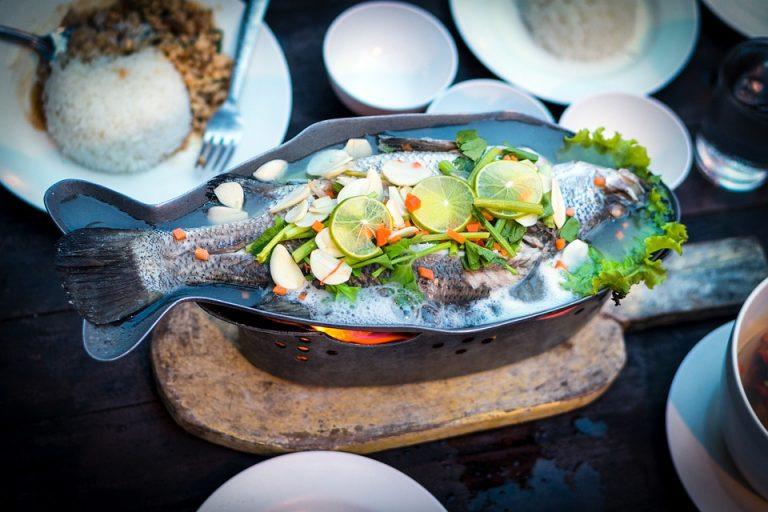
What They Are: Salmon, mackerel, sardines, and trout are all excellent sources of omega-3 fatty acids.
How They Help: Omega-3s are known for their anti-inflammatory properties and can help balance hormones by reducing inflammation in the body. They also support brain health, which is vital for hormonal balance.
Pros: They’re a great source of protein and can be quite versatile in meals. Plus, they’re delicious!
Cons: Some fish can contain high levels of mercury, so it’s essential to choose wisely. Opt for wild-caught varieties when possible.
Putting It All Together
So, how do you incorporate these foods into your daily routine? Here’s a simple plan to get you started:
-
Breakfast: Start your day with a smoothie made from spinach (a cruciferous veggie), a tablespoon of ground flaxseeds, and some yogurt or kefir for probiotics.
-
Lunch: Toss a salad with mixed greens, nuts, and seeds, or enjoy it with a side of roasted Brussels sprouts.
-
Snack: Munch on a handful of almonds or walnuts.
-
Dinner: Grill some fatty fish and serve it with a side of steamed broccoli or a kimchi salad.
FAQs
1. Can I take supplements instead of eating these foods?
While supplements can be helpful, whole foods provide a range of nutrients that work synergistically. It’s always best to get your nutrients from food first.
2. How long will it take to see results?
Everyone’s body is different, but many people start to notice changes in a few weeks. Consistency is key!
3. Are there any foods I should avoid?
Processed foods, excessive sugar, and trans fats can exacerbate hormonal imbalances. Reducing these can be beneficial.
4. Can men benefit from these foods too?
Absolutely! Hormonal balance is crucial for everyone, regardless of gender. These foods can support overall health and well-being.
Conclusion
Balancing hormones and managing estrogen levels can seem daunting, but it doesn’t have to be. By incorporating these five foods into your diet, you can take proactive steps toward better hormonal health. Remember, it’s not just about what you eat—it’s also about how you live. Stress management, regular exercise, and adequate sleep are all essential components of hormonal balance.
And while it might take some time and effort to see changes, the benefits are well worth it. So, why not start today? Your body will thank you!
This article is for educational purposes only and is not a substitute for professional medical advice. Always consult a qualified healthcare provider before making changes to your health routine.
References
-
Vainio, H., & Bianchini, F. (2002). Diet, nutrition and the prevention of cancer. World Health Organization. https://www.who.int/publications/i/item/diet-nutrition-and-the-prevention-of-cancer
-
Kahn, S. E., et al. (2006). Dietary flaxseed alters estrogen metabolism in postmenopausal women. Journal of Nutrition, 136(4), 1164-1168. https://doi.org/10.1093/jn/136.4.1164
-
Hwang, J. H., & Kim, Y. K. (2018). Probiotics and Prebiotics in Hormonal Regulation. Nutrients, 10(8), 1048. https://doi.org/10.3390/nu10081048
-
Mayo Clinic. (2021). Hormone therapy. https://www.mayoclinic.org/tests-procedures/hormone-therapy/about/pac-20384726
-
Harvard Health Publishing. (2020). Healthy Eating for a Healthy Weight. https://www.health.harvard.edu/staying-healthy/healthy-eating-for-a-healthy-weight
Get Your FREE Natural Health Guide!
Subscribe now and receive our exclusive ebook packed with natural health tips, practical wellness advice, and easy lifestyle changes, delivered straight to your inbox.