
Did you know that your morning cup of coffee could do more than just wake you up? For many of us, coffee is a daily ritual, but it can also be a powerful ally in your fitness journey. If you’re looking to boost your cardio workouts and torch some belly fat, you might want to consider these five energizing coffee hacks. Let’s dive in!

Contents
1. Timing is Everything: Optimize Your Caffeine Intake
If you’re like me, you probably reach for that cup of joe first thing in the morning. But did you know that the timing of your caffeine consumption can significantly impact your workout performance? Research suggests that consuming caffeine about 30 to 60 minutes before exercise can enhance endurance and reduce perceived exertion (Graham, 2001).
Why It Works
Caffeine acts as a stimulant, increasing adrenaline levels and releasing fatty acids from fat tissues. This means that not only are you more alert, but your body is also primed to utilize fat as fuel during cardio sessions.
Pro Tip
Try to sip on a cup of black coffee or a low-calorie coffee drink about half an hour before your workout. This can help you push through those last few minutes of your cardio routine when fatigue might otherwise set in.
Caveats
Of course, moderation is key. Too much caffeine can lead to jitters, increased heart rate, and digestive issues. It’s all about finding that sweet spot for your body.
2. Add MCT Oil for Enhanced Fat Burning
Medium-chain triglycerides (MCTs) are a type of fat that can be quickly used for energy. Adding MCT oil to your coffee can help boost your metabolism and enhance fat burning during cardio workouts.
How to Do It
Simply blend a tablespoon of MCT oil into your morning coffee. This not only provides a creamy texture but also delivers quick energy that can fuel your workouts. Some studies have shown that MCTs can increase the amount of fat burned during exercise (St-Onge & Jones, 2002).
Pros and Cons
- Pros: Provides sustained energy, enhances fat oxidation, and may help with mental clarity.
- Cons: High in calories, so be mindful of portion sizes if you’re watching your caloric intake.
Personal Insight
I’ve started adding MCT oil to my coffee, and I’ve noticed a significant difference in my energy levels during my morning runs. It feels like I’m running lighter and with more stamina!
3. Experiment with Cold Brew
Cold brew coffee is not just a refreshing summer drink; it can also be a fantastic pre-workout option. It’s less acidic than regular coffee, which means it’s easier on the stomach, especially if you’re heading straight to a workout after sipping.
The Benefits
Cold brew is typically brewed for 12-24 hours, making it smoother and less bitter. This can encourage you to drink more, leading to better hydration—an essential factor in exercise performance. Plus, the caffeine content can be higher than in hot coffee, giving you that extra boost.
How to Make It
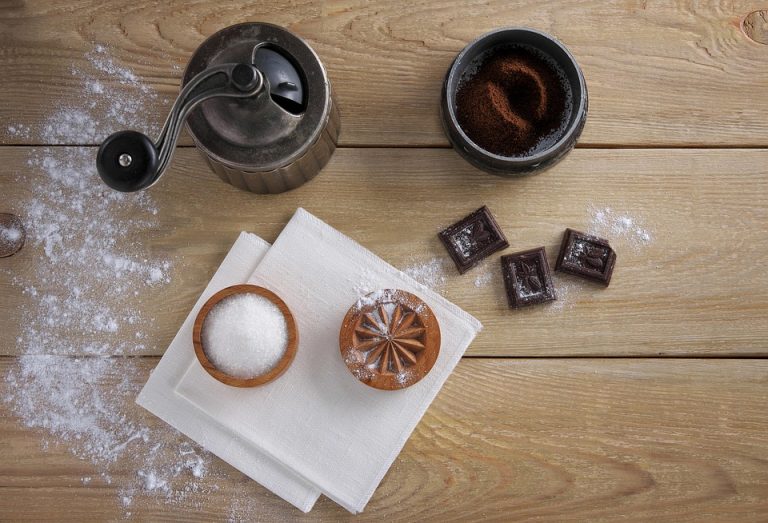
To make cold brew, coarsely grind coffee beans and steep them in cold water for at least 12 hours. Strain and enjoy! You can also add flavors like vanilla or almond milk to keep it interesting.
Caution
Keep in mind that cold brew’s caffeine content can vary, so check your specific brew to gauge how much you’re consuming, especially if you’re sensitive to caffeine.
4. Spice It Up: Add Cinnamon or Ginger
Want to kick your coffee game up a notch? Adding spices like cinnamon or ginger can not only enhance the flavor but also provide additional health benefits that can aid in fat loss.
Why Spices?
Cinnamon has been shown to help regulate blood sugar levels, which can be beneficial for fat loss (Khan et al., 2003). Ginger, on the other hand, may help reduce muscle soreness and inflammation, making it easier to recover from those intense cardio sessions (Black et al., 2010).
How to Use Them
Simply sprinkle a dash of cinnamon or ginger into your coffee grounds before brewing, or stir it into your cup.
The Upside
Not only will your coffee taste delicious, but you’ll also be giving your metabolism a little extra boost. Plus, these spices are low in calories, so you can enjoy them guilt-free!
Things to Keep in Mind
While these spices are generally safe, be mindful of how much you’re adding, especially if you’re not used to them, as they can affect digestion in some people.
5. Hydration is Key: Coffee and Water Balance
It’s a common misconception that coffee dehydrates you. While caffeine does have a mild diuretic effect, moderate coffee consumption can still contribute to your daily hydration needs. However, if you’re training hard and sweating a lot, it’s crucial to balance your coffee intake with plenty of water.
The Hydration Hack
For every cup of coffee, aim to drink a glass of water. This will not only keep you hydrated but also help you feel more energized during your workouts.
Why It Matters
Dehydration can lead to fatigue, decreased performance, and even dizziness during cardio. By ensuring you’re well-hydrated, you can maximize your workout potential.
Practical Steps
- Start your day with a glass of water before you reach for your coffee.
- Keep a water bottle handy during your workouts.
- Try alternating between coffee and water throughout the day.
FAQs
1. Can coffee really help with fat loss?
Yes, coffee can enhance fat burning due to its caffeine content, which increases adrenaline levels and helps mobilize fat stores.
2. Is it safe to drink coffee before a workout?
For most people, drinking coffee before a workout is safe and can enhance performance. However, individual tolerance to caffeine varies, so listen to your body.
3. How much caffeine should I consume before exercising?
A dose of about 3-6 mg/kg body weight is commonly recommended for performance enhancement. For a 70 kg individual, that’s roughly 210-420 mg of caffeine, or about 2-4 cups of coffee.
4. Can I drink coffee while trying to lose weight?
Absolutely! Just be mindful of added sugars and high-calorie creamers. Black coffee or low-calorie options are best for weight loss.
Conclusion
Incorporating these coffee hacks into your fitness routine could be a game-changer. From optimizing your caffeine timing to adding spices and ensuring hydration, there’s a lot you can do to maximize the benefits of your morning brew. And let’s be real—coffee doesn’t just wake you up; it can also help you wake up your workout routine. So next time you pour that cup, think about how you can use it to fuel your cardio and burn fat more effectively.
But remember, while coffee can be a great tool, it’s important to maintain a balanced diet and exercise regimen. This article is for educational purposes only and is not a substitute for professional medical advice. Always consult a qualified healthcare provider before making changes to your health routine.
References
-
Graham, T. E. (2001). Caffeine and exercise: metabolism and performance. Sports Medicine, 31(11), 785-807. https://doi.org/10.2165/00007256-200131110-00003
-
St-Onge, M. P., & Jones, P. J. (2002). Physiological effects of medium-chain triglycerides: potential effects on weight management. Nutrition Reviews, 60(4), 130-140. https://doi.org/10.1301/nr.2002.apr.130-140
-
Khan, A., Safdar, M., Ali, Khan, M. M., & Ullah, N. (2003). Cinnamon improves glycemic control in diabetic subjects. Diabetes Care, 26(12), 3215-3218. https://doi.org/10.2337/diacare.26.12.3215
-
Black, C. D., Herring, M. P., & Hurley, D. J. (2010). Ginger and its anti-inflammatory properties. Journal of Pain Research, 3, 377-382. https://www.dovepress.com/ginger-and-its-anti-inflammatory-properties-peer-reviewed-fulltext-article-JPR
Get Your FREE Natural Health Guide!
Subscribe now and receive our exclusive ebook packed with natural health tips, practical wellness advice, and easy lifestyle changes, delivered straight to your inbox.