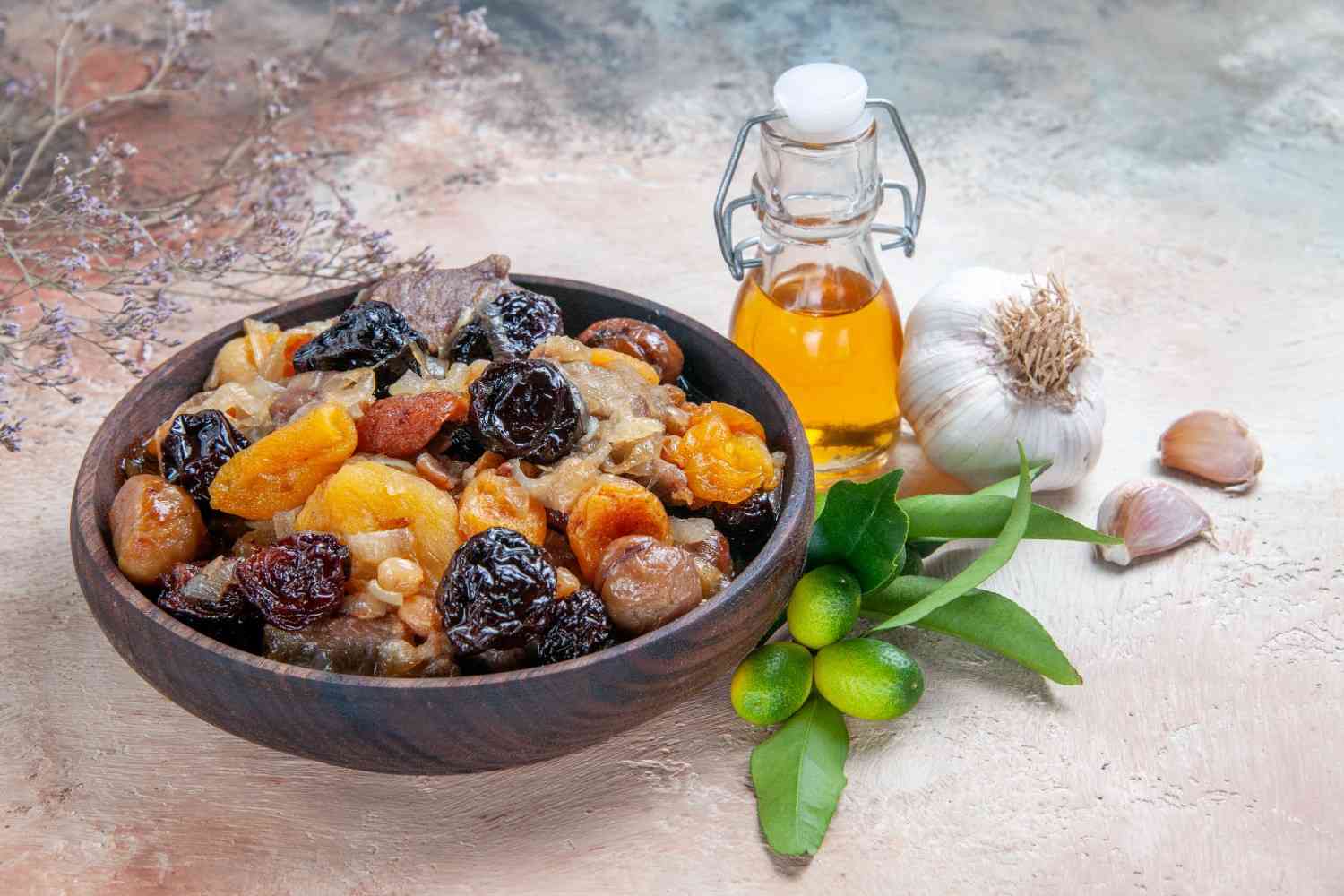
5 Delicious Ways to Incorporate Raisins for Heart Health
Have you ever found yourself staring at a box of raisins, unsure of what to do with them? You’re not alone! Many people see raisins as just a snack for kids or a topping for oatmeal, but these little dried grapes pack a powerful punch when it comes to heart health. You might be surprised to learn that incorporating raisins into your diet can have significant benefits for your cardiovascular system. So, let’s dive into five delicious ways to enjoy raisins while also keeping your heart happy!
1. Raisin-Infused Salads: A Sweet Twist
Salads can sometimes feel a bit boring, right? But adding raisins can turn a mundane dish into something special. They offer a delightful sweetness that contrasts beautifully with savory ingredients.
How to Do It:
- Mix it Up: Toss a handful of raisins into your favorite green salad. They pair wonderfully with spinach, kale, or mixed greens.
- Add Nuts: Combine raisins with walnuts or almonds for a crunchy texture. Nuts are also great for heart health, thanks to their healthy fats.
- Dress It Right: A balsamic vinaigrette or a yogurt-based dressing can enhance the flavors even more.
Pros: This combination not only tastes great but also provides a good dose of fiber, which is essential for heart health. Fiber helps lower cholesterol levels, reducing the risk of heart disease.
Cons: If you’re watching your sugar intake, keep in mind that raisins are high in natural sugars. Moderation is key!
2. Oatmeal with Raisins: A Breakfast Classic
Let’s be real—who doesn’t love a warm bowl of oatmeal in the morning? It’s comforting, filling, and can be incredibly nutritious. Adding raisins to your oatmeal not only boosts the flavor but also enhances its health benefits.
How to Do It:
- Cook Your Oats: Prepare your oatmeal as usual, whether you prefer rolled oats or instant.
- Stir in Raisins: Add a handful of raisins while cooking or sprinkle them on top before serving.
- Add Extras: Consider adding cinnamon, nuts, or even a dollop of yogurt for added protein.
Pros: Oatmeal is rich in soluble fiber, which is known to help lower LDL cholesterol levels. Plus, the antioxidants found in raisins can further support heart health by reducing inflammation.
Cons: If you’re using instant oatmeal, watch out for added sugars in flavored varieties. Stick to plain oats to keep it heart-healthy.
3. Raisin and Nut Energy Bites: Snack Smart
Feeling snacky? Instead of reaching for that bag of chips, why not whip up some energy bites? These little treats are perfect for a mid-afternoon pick-me-up and can be made in bulk.
How to Do It:
- Gather Ingredients: You’ll need oats, nut butter, honey, and, of course, raisins. Optional add-ins include chia seeds or dark chocolate chips.
- Mix It All Together: Combine all ingredients in a bowl and roll them into bite-sized balls.
- Chill and Enjoy: Refrigerate for about 30 minutes, then enjoy whenever hunger strikes.
Pros: These energy bites are a great source of healthy fats, fiber, and protein. They can help stabilize blood sugar levels, making them a smart snack choice.
Cons: Watch portion sizes; it’s easy to overindulge when snacking on something tasty!
4. Raisin-Studded Whole Grain Bread: A Baking Adventure
Have you ever baked your own bread? It’s a fun activity that fills your home with an incredible aroma. Raisins can add a hint of sweetness and chewiness to homemade bread.
How to Do It:
- Choose Your Recipe: Go for a whole grain bread recipe. Whole grains are excellent for heart health.
- Add Raisins: Fold in a cup of raisins into the dough before baking.
- Experiment: You can also add spices like cinnamon or nutmeg for extra flavor.
Pros: Whole grains are linked to lower heart disease risk. Plus, the fiber from both the bread and raisins contributes to better digestive health.
Cons: If you’re not familiar with baking, it might take a few tries to get it just right. But hey, practice makes perfect!
5. Raisins in Savory Dishes: Think Outside the Box
Raisins aren’t just for sweet recipes! They can add a unique flavor to savory dishes, too. This unexpected twist can elevate your meals to a whole new level.
How to Do It:
- Curry and Stews: Add raisins to a curry or stew for a touch of sweetness that balances spices.
- Stuffed Peppers: Mix cooked quinoa, black beans, and raisins to stuff bell peppers. Bake until tender for a nutritious meal.
- Roasted Vegetables: Toss raisins with vegetables like carrots or Brussels sprouts before roasting for a delightful contrast.
Pros: Using raisins in savory dishes can enhance flavor complexity while providing heart-healthy nutrients.
Cons: Not everyone may enjoy the combination of sweet and savory. It’s worth experimenting to see what you like!
FAQs
1. Are raisins good for heart health?
Yes! Raisins are rich in antioxidants, potassium, and fiber, which can help lower blood pressure and cholesterol levels, contributing to overall heart health.
2. How many raisins should I eat a day?
A small handful (about 1 to 2 ounces) is typically recommended. This provides a good balance of nutrients without overdoing the sugar.
3. Can I substitute raisins for other dried fruits?
Absolutely! While raisins are great, you can also use other dried fruits like cranberries or apricots. Just be mindful of sugar content.
4. Are there any risks to eating raisins?
While generally healthy, raisins are high in sugar, so moderation is key, especially for those monitoring blood sugar levels.
Conclusion
Incorporating raisins into your diet can be both delicious and beneficial for heart health. Whether you add them to salads, oatmeal, or even savory dishes, these little gems are versatile and packed with nutrients. Let’s not overlook the joy of snacking on homemade energy bites or the satisfaction of baking your own raisin-studded bread.
So, the next time you spot a box of raisins in your pantry, don’t just think of them as a forgotten snack. Get creative and enjoy the heart-healthy benefits they offer!
This article is for educational purposes only and is not a substitute for professional medical advice. Always consult a qualified healthcare provider before making changes to your health routine.
References
- Hu, F. B., & Willett, W. C. (2019). Dietary Fat and Heart Disease: A Review of the Evidence. Harvard Health Publishing. https://www.health.harvard.edu/heart-health/dietary-fat-and-heart-disease
- Fardet, A. (2019). Whole Grains and Health: A Review of the Evidence. Cleveland Clinic Journal of Medicine. https://www.ccjm.org/content/early/2019/03/15/ccjm.86a.ccc
- Boulton, A. J. (2020). Dried Fruits: A Nutritional Perspective. Mayo Clinic Proceedings. https://www.mayoclinicproceedings.org/article/S0025-6196(19)30835-3/fulltext
Get Your FREE Natural Health Guide!
Subscribe now and receive our exclusive ebook packed with natural health tips, practical wellness advice, and easy lifestyle changes — delivered straight to your inbox.