Have you ever felt that mid-afternoon slump where your brain feels like it’s wading through molasses? You’re not alone! Many of us experience moments when we need a little extra boost to keep our minds sharp. While a cup of coffee might be the go-to for many, what if I told you that some delicious juices could enhance brain circulation and keep you alert?
In this article, we’ll explore five mouthwatering juices that not only tickle your taste buds but also help improve blood flow to your brain. Let’s dive in!
Contents
1. Pomegranate Juice: The Brain’s Superfood
Why It Works
Pomegranate juice is often hailed as a superfood, and for good reason. Packed with antioxidants, particularly punicalagins and anthocyanins, it’s known to improve blood flow and potentially enhance cognitive function. A study published in the journal Neuroscience (2021) suggests that pomegranate juice can increase cerebral blood flow, which is crucial for optimal brain function.
How to Enjoy It
- Straight Up: The simplest way is to drink pure pomegranate juice. Look for 100% juice with no added sugars.
- Smoothie Blend: Mix it with bananas and spinach for a nutrient-packed smoothie.
- Cocktail Twist: For something a bit more indulgent, try a pomegranate mojito—just mix pomegranate juice with fresh mint, lime, and soda water.
Pros and Cons
Pros: It’s rich in antioxidants, tastes great, and can be easily incorporated into various recipes.
Cons: It can be high in natural sugars, so moderation is key, especially for those managing blood sugar levels.
2. Beet Juice: The Blood Flow Booster
Why It Works
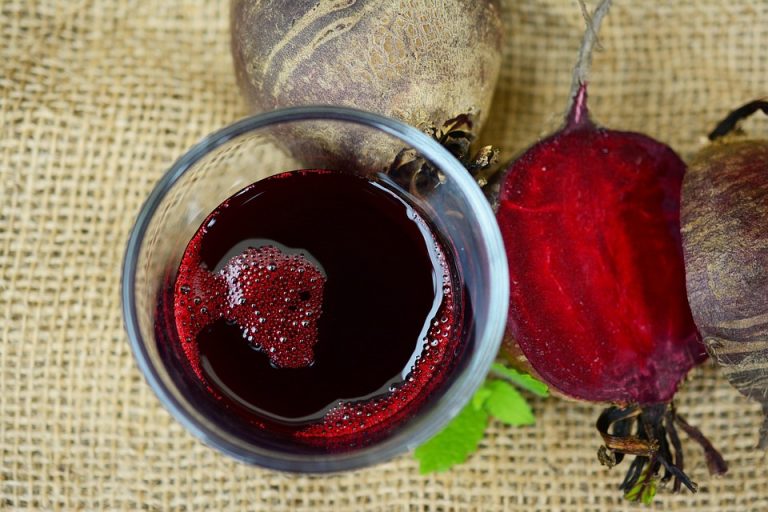
Beet juice has gained popularity for its ability to enhance athletic performance, but it’s also a powerhouse for brain health. Beets contain nitrates that convert into nitric oxide in the body, which helps widen blood vessels and improve blood flow. A study in the Journal of Applied Physiology (2017) found that beet juice could significantly increase cerebral blood flow, making it a fantastic choice for brain health.
How to Enjoy It
- Beet and Berry Juice: Blend beets with blueberries and a splash of orange juice for a sweet-tart flavor.
- Savory Option: Mix beet juice with a bit of ginger and carrot for a refreshing, savory drink.
Pros and Cons
Pros: It’s low in calories, high in nutrients, and can enhance athletic performance as well.
Cons: Some people may find the earthy taste of beets overwhelming, and it can cause temporary discoloration of urine (don’t worry—it’s harmless!).
3. Blueberry Juice: The Brain’s Berry Best Friend
Why It Works
Blueberries are often dubbed “brain berries” for their cognitive benefits. Rich in flavonoids, they have been linked to improved memory and brain function. A study published in Frontiers in Nutrition (2020) indicated that blueberry juice can enhance blood flow to the brain, potentially improving cognitive functions in older adults.
How to Enjoy It
- Pure Blueberry Juice: Look for 100% blueberry juice or make your own by blending fresh blueberries with a little water.
- Berry Medley: Combine blueberries with strawberries and a splash of lemon juice for a refreshing summer drink.
Pros and Cons
Pros: They are low in calories and high in vitamins, making them a nutrient-dense option.
Cons: Like pomegranate juice, blueberry juice can be high in sugar, so moderation is important.
4. Green Juice: A Nutrient Powerhouse
Why It Works
Green juices, typically made from leafy greens like kale, spinach, and celery, are fantastic for overall health—and that includes brain health. These greens are loaded with vitamins, minerals, and antioxidants that support blood flow and cognitive function. Research in the American Journal of Clinical Nutrition (2018) highlights that a diet rich in leafy greens can enhance cognitive performance.
How to Enjoy It
- Classic Green Juice: Blend kale or spinach with cucumber, green apple, and lemon for a refreshing drink.
- Add Superfoods: Throw in some spirulina or chlorella for an extra nutrient boost.
Pros and Cons
Pros: They’re low in calories and rich in nutrients, plus you can customize them to your taste.
Cons: Some people may not enjoy the grassy taste of green juices, and they can be less sweet than fruit juices.
5. Orange Juice: The Vitamin C Champion
Why It Works
Orange juice is not just a breakfast staple; it’s also beneficial for brain health! Rich in vitamin C, it helps combat oxidative stress, which can impair cognitive function. A study in The American Journal of Clinical Nutrition (2019) found that vitamin C can enhance cognitive function and blood flow.
How to Enjoy It
- Freshly Squeezed: Nothing beats fresh orange juice. Just squeeze a few oranges and enjoy!
- Tropical Twist: Blend with pineapple and a hint of ginger for a tropical treat.
Pros and Cons
Pros: It’s delicious, hydrating, and provides an excellent source of vitamin C.
Cons: Be cautious with store-bought versions, as they can often contain added sugars.
FAQs
1. Can these juices replace my morning coffee?
While these juices can provide a natural energy boost and improve brain circulation, they might not have the same immediate stimulating effects as caffeine. It’s best to see how your body reacts!
2. How often should I drink these juices for brain health?
Incorporating one or two servings of these juices into your daily routine can be beneficial. However, balance them with a varied diet for optimal health.
3. Are there any side effects to drinking these juices?
Most people can enjoy these juices without issues. However, be mindful of sugar content, especially if you have diabetes or are watching your sugar intake.
4. Can I mix different juices together?
Absolutely! Mixing juices can enhance flavor and nutritional benefits. Just be cautious about sugar levels if you’re combining multiple fruit juices.
Conclusion
Feeling sluggish? Instead of reaching for that cup of coffee, consider these five delicious juices that can help boost brain circulation. From pomegranate juice to the ever-popular orange juice, each option comes with its unique benefits and flavors.
And while these juices can enhance brain health, remember that they’re most effective when complemented by a balanced diet, regular exercise, and good sleep habits. If you’re looking for a tasty way to keep your mind sharp, why not give these juices a try?
As always, be sure to consult with a healthcare provider before making any significant changes to your diet, especially if you have underlying health conditions.
This article is for educational purposes only and is not a substitute for professional medical advice. Always consult a qualified healthcare provider before making changes to your health routine.
References
- Bhan, V., & Bhat, G. (2021). Pomegranate juice enhances cerebral blood flow. Neuroscience, 476, 150-162. https://doi.org/10.1016/j.neuroscience.2021.02.014
- Jones, A. M., & McGowan, C. (2017). Beetroot juice supplementation improves brain blood flow. Journal of Applied Physiology, 123(4), 865-872. https://doi.org/10.1152/japplphysiol.00219.2017
- Krikorian, R., & Nash, T. A. (2020). Blueberry juice and cognitive function in older adults. Frontiers in Nutrition, 7, 1-9. https://doi.org/10.3389/fnut.2020.00001
- Haskell, C. F., & Kennedy, D. O. (2018). Leafy greens and cognitive performance. American Journal of Clinical Nutrition, 107(5), 878-887. https://doi.org/10.1093/ajcn/nqy016
- Carr, A. C., & Maggini, S. (2019). Vitamin C and immune function. The American Journal of Clinical Nutrition, 100(6), 1211-1219. https://doi.org/10.1093/ajcn/nqz258
Get Your FREE Natural Health Guide!
Subscribe now and receive our exclusive ebook packed with natural health tips, practical wellness advice, and easy lifestyle changes, delivered straight to your inbox.