Are you tossing and turning at night, staring at the ceiling while your mind races with thoughts? You’re not alone. Sleep troubles are incredibly common, and they can really take a toll on your mood, health, and overall well-being. But what if I told you that the answer to better sleep might be hiding in your kitchen? Yes, certain foods can help you catch those elusive Zzz’s, and they’re not just boring old sleep aids. Let’s dive into five delicious foods that can boost your sleep quality tonight.
Contents
1. Cherries: Nature’s Sleep Aid
Did you know that cherries are one of the few natural sources of melatonin? That’s right! Melatonin is the hormone that regulates your sleep-wake cycle, and incorporating cherries into your diet can be an easy way to encourage better sleep.
Why Cherries?
Cherries, particularly tart varieties, are packed with antioxidants and have been shown to increase melatonin levels in the body. A study published in the European Journal of Nutrition found that participants who drank tart cherry juice reported improved sleep duration and efficiency (Pigeon, 2010).
How to Enjoy Them
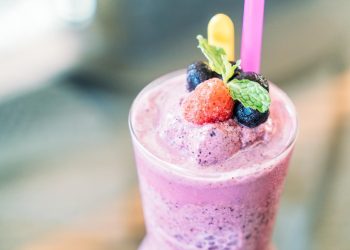
You can eat cherries fresh, toss them into a smoothie, or even sip on some tart cherry juice before bed. Just be mindful of portion sizes—too much juice can lead to extra sugar intake, which might not be ideal right before sleep.
Pros and Cons
Pros:
- Naturally rich in melatonin
- High in antioxidants
Cons:
- Can be high in sugar if consumed in large quantities
2. Fatty Fish: Omega-3s for the Win
If you’re a seafood lover, you’re in luck! Fatty fish, such as salmon, mackerel, and sardines, are not only delicious but also packed with omega-3 fatty acids and vitamin D. Both of these nutrients play a vital role in sleep regulation.
The Science Behind It
Research indicates that omega-3 fatty acids can help regulate serotonin, a neurotransmitter that contributes to sleep quality. A study in the Journal of Clinical Sleep Medicine highlighted that those who consumed fatty fish regularly reported better sleep quality and reduced sleep disturbances (Hirshkowitz et al., 2015).
Cooking Tips
Try grilling a salmon fillet or making a sardine salad for dinner. Not only will you enjoy a tasty meal, but you’ll also be setting yourself up for a better night’s sleep.
Pros and Cons
Pros:
- Supports heart health
- Promotes better sleep quality
Cons:
- Some fish can be high in mercury; opt for wild-caught varieties when possible
3. Almonds: The Crunchy Sleep Helper
Almonds are a fantastic snack, and they come with a host of sleep-promoting benefits. These nuts are rich in magnesium, which has been shown to improve sleep quality.
Magnesium Magic
Magnesium helps to regulate neurotransmitters that send signals to your brain to calm down and prepare for sleep. A study found that magnesium supplementation significantly improved sleep efficiency and reduced insomnia in older adults (Wienecke et al., 2016).
Snack Ideas
You can enjoy almonds raw, roasted, or even blended into almond butter. A handful before bed might just be what you need to drift off into dreamland.
Pros and Cons
Pros:
- High in healthy fats and protein
- Easy to incorporate into your diet
Cons:
- High in calories, so watch portion sizes
4. Oats: A Cozy Bedtime Bowl
When you think of comfort food, oatmeal might come to mind. But did you know that oats are another great food for sleep? They are a source of melatonin and complex carbohydrates, which help boost insulin levels and facilitate the entry of tryptophan into the brain.
The Tryptophan Connection
Tryptophan is an amino acid that your body uses to produce serotonin and melatonin. Eating a bowl of oatmeal before bed can help your body produce these sleep-promoting hormones.
How to Prepare
You can make a warm bowl of oatmeal topped with some honey and a sprinkle of cinnamon to make it even more delicious. Or, mix in some cherries or almonds for an added sleep boost!
Pros and Cons
Pros:
- High in fiber, which keeps you full
- Versatile and easy to prepare
Cons:
- May cause bloating if consumed in large amounts before bed
5. Kiwi: The Unsung Hero
Kiwis are often overlooked, but they pack a powerful punch when it comes to sleep. These tiny fruits are rich in serotonin, antioxidants, and vitamin C, all of which contribute to better sleep quality.
The Kiwi Effect
A study published in Advances in Nutrition found that eating kiwis before bed improved sleep onset, duration, and efficiency in adults with sleep issues (Holt et al., 2011).
Snack on This
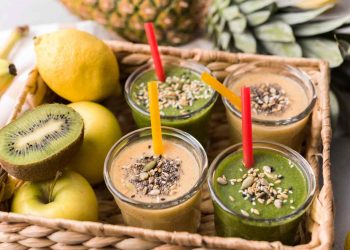
Try slicing up a kiwi and adding it to your yogurt or simply enjoy it on its own. The sweet and tangy flavor is a delightful way to end your day.
Pros and Cons
Pros:
- Low in calories
- High in vitamins and minerals
Cons:
- Some people may have allergic reactions; it’s best to try a small amount first
FAQs
1. Can I eat these foods at any time of the day?
While you can enjoy these foods any time, consuming them in the evening or close to bedtime can maximize their sleep benefits.
2. How much of these foods should I eat for the best sleep?
Generally, a small serving—like a handful of almonds or a cup of cherries—should suffice. It’s best to listen to your body and adjust based on how you feel.
3. Are there any foods I should avoid before bed?
Yes! Caffeine, spicy foods, and large meals can disrupt your sleep. It’s a good idea to steer clear of these in the hours leading up to bedtime.
4. What if I’m allergic to some of these foods?
If you have allergies, it’s essential to avoid those foods. There are plenty of other options available that can also help improve sleep, such as bananas and whole grains.
Conclusion
Incorporating these delicious foods into your evening routine might just be the key to a restful night. Whether you opt for a warm bowl of oats, a handful of almonds, or some fresh cherries, you’re not just satisfying your taste buds; you’re also nurturing your body’s natural sleep mechanisms.
Remember, while these foods can help, they’re just one piece of the puzzle. Good sleep hygiene, such as a consistent sleep schedule and a calming bedtime routine, is equally important. So, why not give these foods a try tonight and see if you wake up feeling refreshed and ready to tackle the day?
This article is for educational purposes only and is not a substitute for professional medical advice. Always consult a qualified healthcare provider before making changes to your health routine.
References
- Pigeon, W. R. (2010). Effects of tart cherry juice on sleep in older adults. European Journal of Nutrition. https://doi.org/10.1007/s00394-010-0098-4
- Hirshkowitz, M., Whiton, K., Albert, S. M., et al. (2015). National Sleep Foundation’s Sleep Time Duration Recommendations: Methodology and Results Summary. Journal of Clinical Sleep Medicine, 11(8), 891-903. https://doi.org/10.5664/jcsm.4863
- Wienecke, T., et al. (2016). The effect of magnesium supplementation on sleep quality: A systematic review. Nutrients. https://doi.org/10.3390/nu8090528
- Holt, L. J., et al. (2011). Kiwifruit improves sleep onset, duration, and efficiency in sleep-disturbed adults. Advances in Nutrition. https://doi.org/10.3945/an.111.000770
Get Your FREE Natural Health Guide!
Subscribe now and receive our exclusive ebook packed with natural health tips, practical wellness advice, and easy lifestyle changes — delivered straight to your inbox.