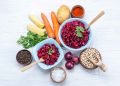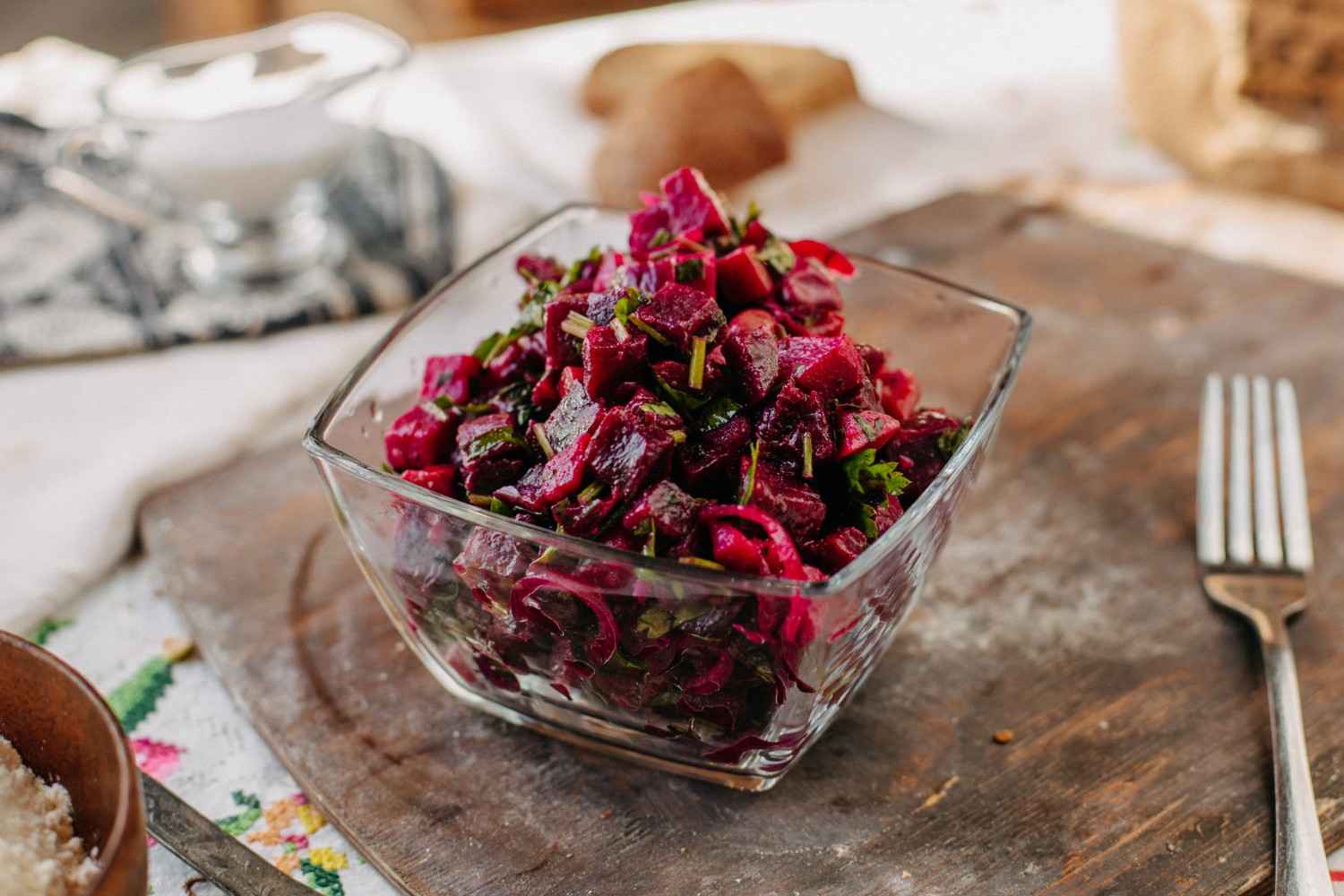
Did you know that beets are not just a vibrant addition to your plate but also a powerhouse for gut health? Packed with fiber, vitamins, and antioxidants, beetroot can help promote a healthy digestive system. But let’s be real—if you’re going to eat something for its health benefits, it better taste good, right? Well, you’re in luck! Here are five scrumptious beetroot recipes that not only delight your taste buds but also support a happy gut.
Contents
1. Beetroot and Feta Salad
Ingredients:
- 2 medium-sized beetroots, roasted and diced
- 100g feta cheese, crumbled
- 2 cups mixed greens (spinach, arugula, etc.)
- 1/4 cup walnuts, toasted
- 2 tablespoons balsamic vinegar
- 1 tablespoon olive oil
- Salt and pepper to taste
Instructions:
- Roast the Beets: Preheat the oven to 400°F (200°C). Wrap the beets in aluminum foil and roast them for about 45-60 minutes, or until tender. Let them cool, peel, and dice.
- Prepare the Salad: In a large bowl, combine the mixed greens, roasted beets, crumbled feta, and walnuts.
- Dress It Up: In a small bowl, whisk together balsamic vinegar, olive oil, salt, and pepper. Drizzle over the salad and toss gently.
Why It’s Great for Your Gut:
Beets are rich in dietary fiber, which is essential for maintaining digestive health. They also contain betalains, antioxidants that can help reduce inflammation in the gut. Plus, the combination of feta and walnuts adds protein and healthy fats, making this salad a well-rounded meal.
2. Beetroot Hummus
Ingredients:
- 1 medium beetroot, cooked and peeled
- 1 can (15 oz) chickpeas, drained and rinsed
- 2 tablespoons tahini
- 2 tablespoons olive oil
- 1 garlic clove
- Juice of 1 lemon
- Salt to taste
Instructions:
- Blend It: In a food processor, combine the cooked beetroot, chickpeas, tahini, olive oil, garlic, lemon juice, and salt. Blend until smooth.
- Adjust to Taste: If the hummus is too thick, add a little water until you reach your desired consistency.
- Serve: Transfer to a bowl and drizzle with olive oil. Serve with pita bread or fresh veggies.
Gut Benefits:
Chickpeas are an excellent source of fiber and protein, making this hummus not only delicious but also gut-friendly. The fiber helps in maintaining regular bowel movements, while beets add a unique flavor and color. Plus, tahini provides healthy fats, making it a nutritious dip.
3. Beetroot Smoothie
Ingredients:
- 1 small beetroot, peeled and chopped
- 1 banana
- 1/2 cup Greek yogurt
- 1 cup spinach
- 1 cup almond milk (or any milk of your choice)
- 1 tablespoon honey (optional)
Instructions:
- Blend: In a blender, combine all ingredients and blend until smooth.
- Taste Test: Adjust sweetness with honey if desired.
- Serve: Pour into a glass and enjoy!
Why You’ll Love It:
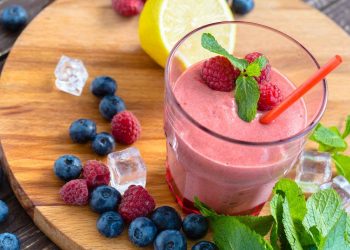
This vibrant smoothie is not only visually appealing but also packed with nutrients. The combination of beets and spinach provides vitamins and minerals, while Greek yogurt adds probiotics, which are fantastic for gut health. The fiber from the banana helps in digestion, making it a perfect breakfast option.
4. Beetroot Soup (Borscht)
Ingredients:
- 3 medium beetroots, peeled and grated
- 1 onion, chopped
- 2 carrots, chopped
- 1 potato, diced
- 4 cups vegetable broth
- 2 tablespoons olive oil
- 2 tablespoons apple cider vinegar
- Salt and pepper to taste
- Fresh dill for garnish
Instructions:
- Sauté the Veggies: In a large pot, heat olive oil over medium heat. Add onion, carrots, and potato, and sauté until soft.
- Add Beets: Stir in the grated beets and cook for another 5 minutes.
- Add Broth: Pour in the vegetable broth and bring to a boil. Reduce heat and let it simmer for about 30 minutes.
- Finish Up: Stir in apple cider vinegar and season with salt and pepper. Serve hot, garnished with fresh dill.
Gut Health Perks:
Borscht is not just comforting; it’s a gut-loving dish! The fiber from beets and other vegetables aids digestion, while apple cider vinegar can help balance stomach acidity. Plus, it’s low in calories, making it a great option for those watching their weight.
5. Roasted Beetroot Quinoa Bowl
Ingredients:
- 2 medium beetroots, diced
- 1 cup quinoa, rinsed
- 2 cups vegetable broth
- 1 avocado, sliced
- 1/4 cup pumpkin seeds
- 1 tablespoon olive oil
- Salt and pepper to taste
Instructions:
- Roast the Beets: Preheat the oven to 400°F (200°C). Toss diced beets with olive oil, salt, and pepper. Spread on a baking sheet and roast for about 25-30 minutes.
- Cook Quinoa: In a pot, combine quinoa and vegetable broth. Bring to a boil, then reduce heat and simmer for about 15 minutes or until quinoa is fluffy.
- Assemble: In a bowl, combine quinoa, roasted beets, avocado slices, and pumpkin seeds.
Why It’s a Winner:
This bowl is a nutrient-dense meal that combines protein, healthy fats, and fiber—all essential for gut health. Quinoa is a complete protein, and the healthy fats from avocado and pumpkin seeds can help keep you satiated.
FAQs
1. Are beetroots good for digestion?
Absolutely! Beetroots are high in fiber, which helps support regular bowel movements and overall digestive health.
2. Can I eat beetroot raw?
Yes, raw beetroot can be added to salads or smoothies. It retains all its nutrients that way, but some people find it easier to digest when cooked.
3. How often should I eat beets for gut health?
Incorporating beets into your diet a few times a week can be beneficial. Just listen to your body and adjust accordingly.
4. Are there any side effects of eating too much beetroot?
While beets are healthy, consuming them in excessive amounts may lead to beeturia (pink urine) or digestive discomfort due to high fiber content.
Conclusion
Incorporating beetroot into your diet can be a delicious way to promote gut health. Whether you prefer a refreshing salad, a creamy hummus, or a warm soup, these recipes are sure to please your palate while benefiting your digestive system. So, why not give them a try? Your gut (and taste buds) will thank you!
This article is for educational purposes only and is not a substitute for professional medical advice. Always consult a qualified healthcare provider before making changes to your health routine.
References
- Slavin, J. L. (2013). Fiber and Prebiotics: Mechanisms and Health Benefits. Nutrients, 5(4), 1417-1435. https://doi.org/10.3390/nu5041417
- Mayo Clinic Staff. (2021). Dietary Fiber: Essential for a Healthy Diet. Mayo Clinic. https://www.mayoclinic.org/healthy-lifestyle/nutrition-and-healthy-eating/in-depth/fiber/art-20043983
- National Institutes of Health. (2018). Probiotics and Prebiotics: What You Should Know. NIH. https://nccih.nih.gov/health/probiotics/introduction.htm
Get Your FREE Natural Health Guide!
Subscribe now and receive our exclusive ebook packed with natural health tips, practical wellness advice, and easy lifestyle changes — delivered straight to your inbox.